


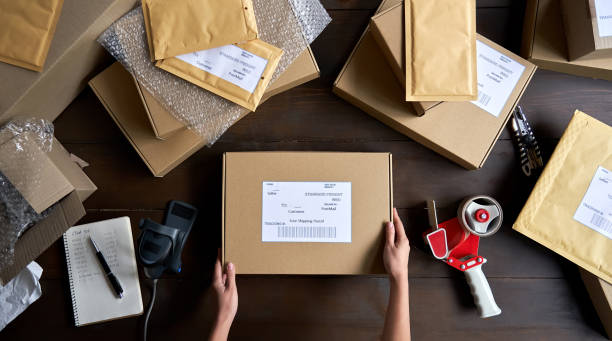
Sending a parcel from Nigeria abroad sounds simple until you’ve actually tried it—especially from busy locations like Lagos, Ikeja, Lekki, or Abuja. Between choosing the right courier, dealing with customs, and avoiding delays, most people only learn the real process after something goes wrong.
In practice, the “best way” is not just about picking a courier. It’s about understanding how international logistics actually moves parcels from Nigeria into countries like the UK, USA, Canada, UAE, Germany, or anywhere else.
Most shipments start from Lagos through Murtala Muhammed International Airport, then pass through international hubs like Amsterdam, Paris, London, or Dubai before reaching the final destination.
This is where structured coordination services like Travo.ng help simplify the process—handling pickup, documentation, routing, and delivery tracking without the sender juggling multiple agents.
What Most People Get Wrong When Sending Parcels Abroad
A lot of delays don’t happen because of airlines. They happen because of avoidable mistakes in Nigeria.
Common real-life issues include:
- Writing “personal items” instead of proper descriptions
- Undervaluing goods to reduce customs fees
- Weak packaging that breaks during air handling
- Not knowing destination restrictions (especially EU rules)
- Using informal agents with no tracking system
For example, a small fashion shipment from Lagos to London can get stuck in customs simply because the invoice doesn’t match the contents.
The Fastest Way to Send a Parcel Abroad (When Time Matters)
If speed is your priority, express international courier is the most reliable option.
Typical carriers used:
- DHL Express
- FedEx International
- UPS Worldwide
What happens behind the scenes:
Pickup in Nigeria → export processing → air freight → transit hub → customs clearance → final delivery
Delivery timeline:
- 2 to 5 working days
This method is commonly used for:
- Visa documents
- University admissions
- Emergency personal items
- High-value parcels needing tracking
It is more expensive, but it reduces uncertainty.
The Most Practical Option Nigerians Actually Use
Outside express courier, many people now prefer consolidated logistics services.
This is what happens:
Your parcel is picked up in Lagos or Abuja → grouped with other shipments → sent via air cargo → cleared in destination country → delivered locally.
Delivery timeline:
- 5 to 10 days
This option is popular for:
- Fashion business shipments from Lagos to Europe
- Online sellers fulfilling orders abroad
- Medium-sized personal packages
- Regular diaspora shipments
It is cheaper than express courier but still relatively fast.
This is where structured platforms like Travo.ng come in, especially for people who want cost control without losing visibility on tracking.
Air Cargo vs Sea Freight: Choosing the Right Method
Air Cargo (Most Balanced Option)
- 5–10 days delivery
- Moderate pricing
- Best for business and frequent shipping
- Common route: Lagos → Europe hubs → final country
Sea Freight (Lowest Cost, Slowest Option)
- 3–8 weeks delivery
- Used for large or heavy goods
- Routed through ports like Rotterdam, Antwerp, or Dubai
Sea freight is mainly used for relocation or bulk commercial imports, not urgent parcels.
Real Example: Lagos to International Delivery
A typical shipment from Ikeja:
- Pickup: Lagos Island
- Route: Lagos → Amsterdam hub → destination country
- Customs clearance abroad
- Final delivery by local courier
Timeline:
- Express: 3–5 days
- Air cargo: 5–8 days
- Sea freight: 4–6 weeks
The biggest delay point is almost always customs—not flight time.
Why Some Parcels Arrive Faster Than Others
Even when two people ship on the same day, one parcel may arrive earlier because of:
- Better documentation accuracy
- Correct customs declaration
- Efficient airline routing
- Proper packaging compliance
- Faster handover between international and local couriers
In real logistics operations, preparation matters more than distance.
The Best Way (Simple Breakdown)
If you’re choosing right now:
- Fastest option → DHL / FedEx / UPS
- Best value option → Consolidated air cargo (Travo.ng-style coordination)
- Cheapest bulk option → Sea freight
- Best for businesses → Air cargo consolidation
There is no single “perfect” method—only the right method for your situation.
Final Reality of Sending Parcels from Nigeria Abroad
International shipping from Nigeria is reliable, but only when handled properly. The process is not just about sending a parcel—it is about ensuring correct packaging, accurate documentation, and the right shipping method from the start.
Most successful shipments don’t happen by luck—they happen because the logistics process is properly managed from pickup in Nigeria to delivery abroad.
That’s why structured systems like Travo.ng are increasingly used—to remove confusion, reduce delays, and make international shipping more predictable.
