


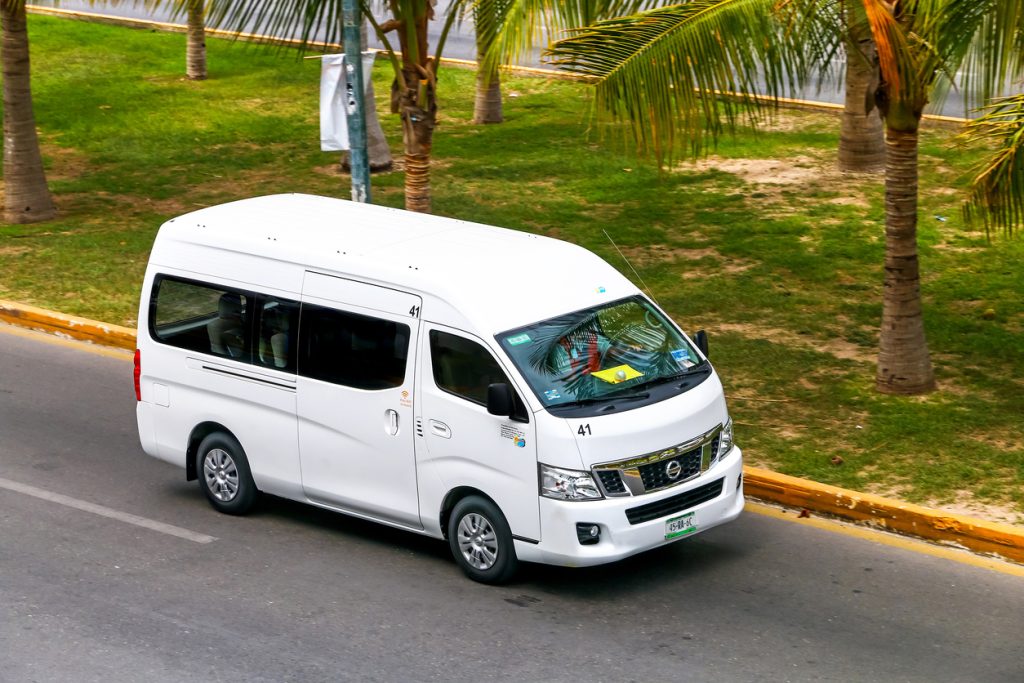
Traveling from Lagos to Côte d’Ivoire by road is one of the longest and most demanding international road trips in West Africa. The main destination is usually Abidjan, the country’s economic capital, and the journey takes you across multiple countries, border posts, and long highway stretches through the ECOWAS corridor.
From Mile 2, Jibowu, Ojota, and Ajah terminals in Lagos, the route moves west through Benin Republic, Togo, and Ghana, before finally entering Côte d’Ivoire.
This is not a simple interstate trip—it is a full regional journey that requires documentation, patience, and proper coordination.
Why Lagos to Côte d’Ivoire by Road Is a Serious Cross-Border Route
This corridor is mainly used for:
- West African traders moving goods across multiple countries
- Business professionals attending regional meetings and exhibitions
- Logistics companies handling cross-border cargo
- Tourists traveling to Abidjan and coastal West Africa
- ECOWAS regional movement for work and trade
Abidjan is one of West Africa’s strongest business hubs, which makes this route very important for regional commerce.
The Journey Starts in Lagos Before the Highway Even Begins
The trip begins at major departure points such as:
- Mile 2 (Badagry axis)
- Jibowu (Yaba axis)
- Selected international transport parks in Lagos
Early stages usually include:
- Passport verification before departure
- Luggage and cargo inspection
- Vehicle boarding and passenger coordination
- Heavy traffic toward Badagry road
- Movement toward Seme border exit point
Leaving Lagos is often one of the slowest parts of the entire journey.
Lagos to Côte d’Ivoire Road Route Breakdown
The full West African corridor typically follows:
- Lagos → Badagry → Seme Border (Nigeria/Benin)
- Benin Republic (Cotonou corridor)
- Togo (Lomé corridor)
- Ghana (Accra corridor)
- Ghana–Côte d’Ivoire border (Elubo / Noé crossing)
- Final destination: Abidjan
On a smooth trip, travel time is usually 24–36 hours, depending heavily on border processing and road conditions.
The Most Important Part: Multiple Border Crossings
This journey involves several immigration checkpoints:
1. Seme Border (Nigeria–Benin)
- Passport verification
- Customs checks
- Vehicle clearance
2. Benin Republic Transit
- Highway travel through Cotonou
- Occasional security stops
3. Togo Border (Lomé)
- ECOWAS travel document checks
- Entry clearance
4. Ghana Border (Aflao)
- Immigration processing
- Long highway transit through Ghana
5. Ghana–Côte d’Ivoire Border
- Final ECOWAS entry clearance
- Entry into Abidjan corridor
Each checkpoint can significantly affect travel time depending on congestion and documentation readiness.
What First-Time Travelers Usually Experience
If it’s your first Lagos to Abidjan trip by road, expect:
- Multiple country borders and immigration checks
- Long highway travel between countries
- Currency transitions across CFA and Ghana Cedi zones
- French-speaking environment in Côte d’Ivoire
- Arrival in Abidjan often the next day or later
It is one of the most structured but demanding road journeys in West Africa.
Why This Route Is Important for Trade and Regional Movement
Lagos to Côte d’Ivoire by road supports:
- Cross-border trade across ECOWAS countries
- Import/export distribution networks
- Fashion, electronics, and retail expansion
- Agricultural and manufactured goods transport
- Regional tourism and business travel
Abidjan serves as a major economic gateway in francophone West Africa.
Common Mistakes Travelers Make on This Route
Because of its complexity, mistakes can easily affect the trip:
1. Traveling without a valid international passport
It is mandatory for all border crossings.
2. Underestimating total travel duration
It is a multi-day road journey.
3. Ignoring border delay risks
Immigration queues vary widely.
4. Poor currency planning
You will move through multiple currencies.
5. Using inexperienced transport operators
Cross-border logistics require expertise.
Why Timing and Coordination Matter More Than Distance
On Lagos to Côte d’Ivoire trips, distance is not the main challenge—coordination is.
What affects the journey most:
- Departure timing from Lagos
- Traffic toward Badagry corridor
- Border processing speed across five countries
- Road conditions across West Africa highways
- Stopovers for rest and fueling
Two travelers on the same route can have completely different experiences depending on border efficiency.
How Travo.ng Helps With Lagos to Côte d’Ivoire Travel
Instead of managing uncertainty across multiple countries, Travo.ng helps users plan smarter.
With it, you can:
- Plan Lagos to Abidjan road trips in advance
- Compare international transport options
- Organize cargo and cross-border logistics
- Reduce uncertainty around departure timing
- Combine travel booking and logistics coordination in one platform
It helps simplify one of West Africa’s most complex travel routes.
Final Thoughts on Lagos to Côte d’Ivoire by Road
The Lagos to Côte d’Ivoire route is one of West Africa’s longest and most important road corridors, connecting Nigeria to francophone West Africa through Benin, Togo, and Ghana.
Although it is a well-established ECOWAS route, the journey requires preparation, documentation, and patience.
With proper planning and tools like Travo.ng, the experience becomes more structured, predictable, and easier to manage.
