


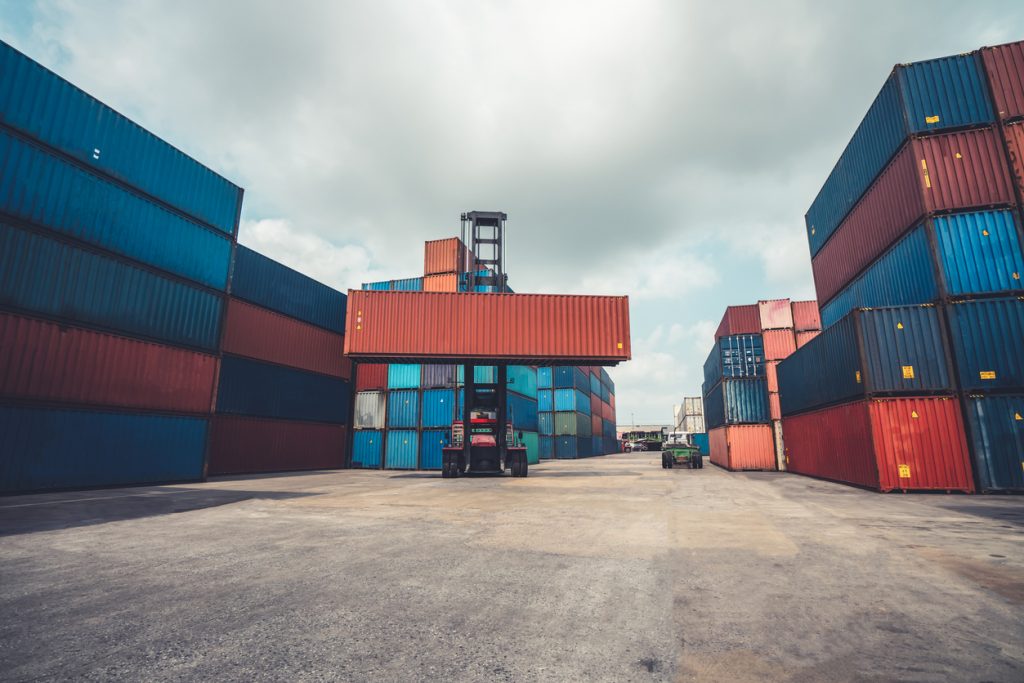
Carrier surcharge dispute in Nigeria refers to disagreements between importers (or their agents) and shipping lines (carriers) over additional charges added to freight invoices. These disputes usually arise when importers believe surcharges are incorrect, excessive, unclear, or not properly communicated.
In simple terms, it is when you challenge extra shipping fees charged by a carrier.
What Are Carrier Surcharges?
Carrier surcharges are extra fees added to base freight charges by shipping lines. Common ones include:
- Fuel surcharge (BAF)
- Currency adjustment factor (CAF)
- Peak season surcharge (PSS)
- Congestion surcharge
- War risk surcharge
- Terminal handling charges (THC)
- Documentation fees
Common Causes of Carrier Surcharge Disputes in Nigeria
1. Lack of Transparency
Importers are not clearly informed about charges before shipment.
2. Sudden Price Changes
Surcharges increase after booking or shipment departure.
3. Incorrect Invoicing
Errors in billing such as:
- Duplicate charges
- Wrong container classification
- Misapplied surcharge type
4. Exchange Rate Adjustments
CAF-related disputes due to fluctuating exchange rates.
5. Contract Misunderstanding
Confusion between:
- Quoted freight rate
- Final billed amount
6. Port-Related Charges Disagreement
Disputes over congestion or storage-related surcharges.
7. Lack of Pre-Agreement on Terms
Some importers fail to confirm all-inclusive freight terms before shipping.
Impact of Carrier Surcharge Disputes
1. Delayed Cargo Release
Disputes can delay container pickup from port.
2. Increased Demurrage Costs
Cargo stays longer at the terminal, increasing storage fees.
3. Cash Flow Pressure
Funds are tied up in disputed payments.
4. Shipment Delays
Disputes may affect future bookings or releases.
5. Business Disruption
Supply chains are affected due to delayed goods.
How to Handle Carrier Surcharge Disputes in Nigeria
1. Review Freight Agreement Carefully
Check original booking terms and invoices.
2. Request Detailed Breakdown
Ask carrier for full explanation of all charges.
3. Compare with Quoted Rates
Match invoice against agreed freight quotation.
4. Engage Freight Forwarder
Experienced agents can negotiate with carriers effectively.
5. Escalate Through Formal Channels
Submit written complaints to shipping line customer service.
6. Use Documentation Evidence
Include:
- Bill of lading
- Booking confirmation
- Freight contract
- Email communication
How to Prevent Carrier Surcharge Disputes
1. Use All-Inclusive Freight Agreements
Ensure clarity on total cost before shipment.
2. Confirm Surcharges in Writing
Get confirmation for BAF, CAF, PSS, and other fees.
3. Work With Trusted Shipping Agents
They help interpret carrier pricing structures.
4. Monitor Exchange Rate Impact
CAF charges often change with FX movement.
5. Avoid Last-Minute Bookings
Urgent shipments attract more unpredictable surcharges.
Role of Compliance in Reducing Disputes
Strong documentation and compliance reduce:
- Billing errors
- Misclassification of cargo
- Delay-related penalties
- Miscommunication with carriers
Proper records make disputes easier to resolve.
How Travo.ng Supports Businesses After Clearance
While carrier surcharge disputes happen before or during shipping, logistics after clearance also affects total import efficiency.
This is where Travo.ng supports businesses across Nigeria.
Travo.ng provides:
- Cargo pickup from ports and airports
- Nationwide transportation services
- Interstate logistics coordination
- Commercial cargo delivery
- Distribution support for businesses
- Last-mile delivery solutions
Fast post-clearance logistics reduces storage costs and improves supply chain efficiency.
Final Insight
Carrier surcharge disputes in Nigeria arise due to unclear pricing, sudden fee changes, billing errors, and exchange rate adjustments. These disputes can delay cargo release and increase import costs, but careful documentation, clear agreements, and professional freight handling can prevent most issues.
