


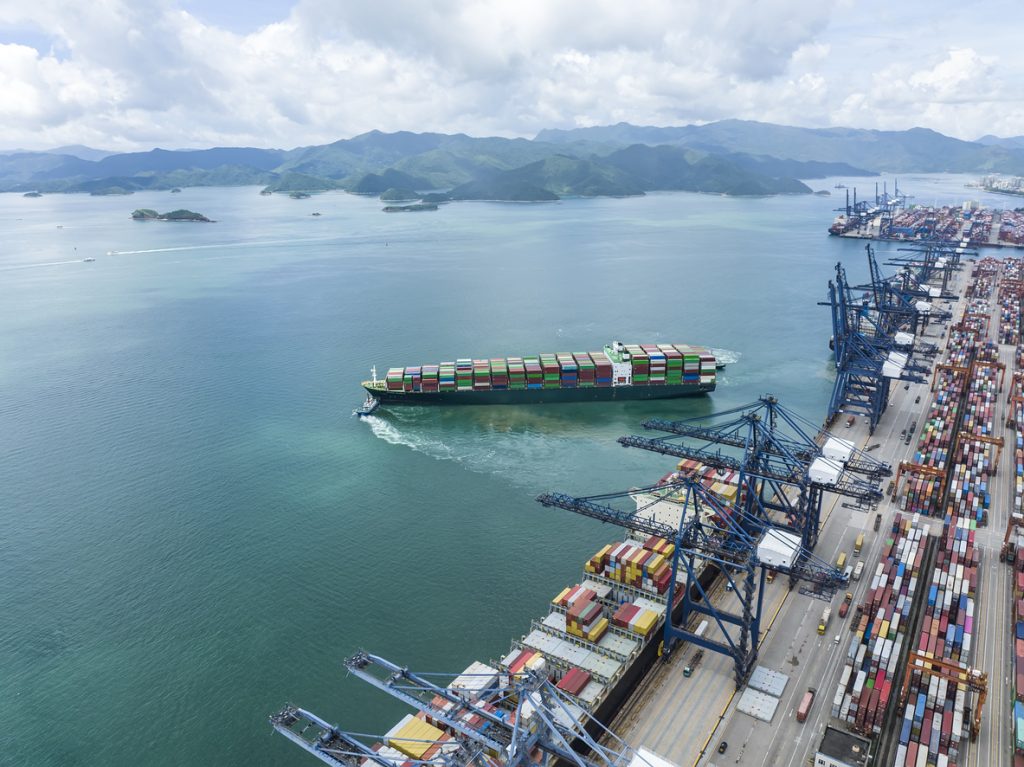
Port-to-warehouse logistics in Nigeria refers to the movement of imported goods from seaports or airports directly to storage warehouses for inspection, storage, or distribution.
It is a critical part of Nigeria’s import supply chain, especially around major ports like Apapa Port and Tin Can Island Port in Lagos.
What Port-to-Warehouse Logistics Means
It covers the entire process of:
- Clearing goods from the port
- Loading containers onto trucks
- Transporting cargo safely to warehouses
- Unloading and storing goods
- Updating inventory systems
It is the first inland stage of import logistics after goods arrive in Nigeria.
How Port-to-Warehouse Logistics Works in Nigeria
- Goods arrive at the port (Apapa or Tin Can Island)
- Customs clearance and documentation are completed
- Containers are released from terminal operators
- Trucks are assigned for haulage
- Cargo is transported to warehouse locations (Lagos, Ogun, etc.)
- Goods are unloaded, inspected, and stored
- Inventory is updated for distribution or sale
Key Components
1. Port Handling
- Container offloading
- Terminal operations
- Documentation verification
2. Customs Clearance Integration
- Import duty processing
- Regulatory compliance (NAFDAC, SON, etc.)
- Cargo release approvals
3. Haulage & Trucking
- Container trucks and trailers
- Movement from port to warehouse
- Scheduling and dispatch coordination
4. Warehousing
- Secure storage facilities
- Inventory management systems
- Bonded and private warehouses
5. Tracking & Coordination
- Real-time shipment tracking
- Delivery updates
- Route optimization
Common Routes in Nigeria
- Apapa Port → Ikeja warehouses
- Tin Can Island → Amuwo Odofin warehouses
- Lagos ports → Ogun industrial zones
- Lagos → Abuja distribution centers
- Lagos → Onitsha / Aba commercial hubs
Top Port-to-Warehouse Logistics Providers in Nigeria
1. SIFAX Group
- Port terminal operations and cargo handling
- Strong trucking and warehouse network
- Integrated logistics services
SIFAX Group
2. Intels Nigeria
- Industrial-scale port logistics
- Oil & gas and heavy cargo handling
- Strong port infrastructure support
Intels Nigeria
3. Red Star Express
- Freight forwarding and inland delivery
- Warehouse and distribution services
- Corporate logistics support
Red Star Express
4. DHL Global Forwarding Nigeria
- International shipping and inland transport
- Customs clearance and delivery coordination
DHL
5. GIG Logistics (GIGL)
- Cargo movement from ports to warehouses
- Nationwide delivery and tracking
GIG Logistics
6. Fortune Global Shipping & Logistics
- Freight forwarding and container haulage
- Import logistics and clearance support
7. Valuehandlers International
- Port clearing and inland transportation
- Warehouse delivery coordination
Benefits of Port-to-Warehouse Logistics
1. Faster Cargo Movement
Reduces delays after port clearance.
2. Reduced Demurrage Costs
Prevents extra charges at ports.
3. Better Inventory Control
Ensures goods are quickly moved into storage systems.
4. Efficient Supply Chain Flow
Connects imports to distribution networks smoothly.
5. Improved Business Operations
Helps importers plan sales and distribution faster.
Challenges in Nigeria
- Port congestion (Apapa traffic delays)
- High trucking costs
- Customs clearance delays
- Poor road infrastructure
- Limited warehouse space near ports
- Security risks in transit
Port-to-Warehouse vs General Haulage
| Port-to-Warehouse Logistics | General Haulage |
|---|---|
| Focus on imported goods | Any cargo movement |
| Starts at seaport/airport | Any pickup point |
| Requires customs clearance | No customs involvement |
| Time-sensitive operations | Flexible timing |
Importance in Nigeria’s Economy
Port-to-warehouse logistics is critical because:
- Over 80% of imports pass through Lagos ports
- Businesses depend on fast cargo release
- It supports FMCG, retail, and manufacturing supply chains
- It reduces congestion at ports
- It keeps national trade flowing
How It Improves Supply Chains
- Speeds up import distribution
- Reduces storage and port costs
- Improves inventory turnover
- Enhances retail availability of goods
- Supports industrial production timelines
How Travo.ng Fits Into Port-to-Warehouse Ecosystems
Port logistics focuses on cargo release and inland movement, while logistics platforms manage execution and coordination across transport networks.
Travo.ng supports operations through:
- Truck dispatch coordination from ports
- Container movement scheduling
- Warehouse delivery planning
- Cargo routing across cities and states
- Real-time logistics tracking support
- Integration between importers, warehouses, and transporters
This ensures imported goods move quickly and efficiently from ports into the supply chain.
Conclusion
Port-to-warehouse logistics in Nigeria is a vital part of the import supply chain. It connects seaports to inland storage and distribution systems, helping businesses reduce delays, cut costs, and improve efficiency.
