


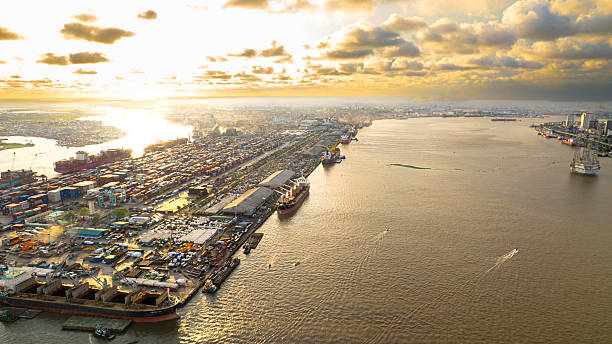
The latest Apapa port congestion report shows renewed traffic pressure around the Lagos port corridor, with articulated trucks, electronic call-up challenges and port access restrictions contributing to difficult movement around Apapa.
As of September 25, 2026, the Lagos State Government is working with maritime operators, traffic authorities and other stakeholders to address the worsening congestion affecting the Apapa port access roads and surrounding corridors. (The Guardian Nigeria)
For importers, exporters, truck operators and businesses moving cargo through Apapa, the situation can affect delivery schedules, transportation costs and the time required to move containers from the terminal to warehouses.
What Is Causing the Latest Apapa Congestion?
The latest stakeholder review identified several factors behind the renewed traffic problems.
One major issue is the indiscriminate parking and staging of articulated trucks along major roads. Trucks occupying traffic lanes reduce available road capacity and can cause congestion to spread well beyond the immediate port area.
Authorities also identified the movement of unregistered trucks from unauthorised parks into the port environment as another problem.
The electronic truck call-up system at Apapa is also reportedly in need of an upgrade. Stakeholders said outdated automation infrastructure is making it harder to achieve smooth and predictable truck movement. (The Guardian Nigeria)
These problems can combine to create a cycle in which trucks wait outside the port, traffic slows down, and cargo evacuation becomes more difficult.
Lagos Government Steps Up Enforcement
The Lagos State Government has responded by convening stakeholders from the transport and maritime sectors.
The September 24 meeting included LASTMA, maritime truck operators, the Nigerian Ports Economic Regulatory Agency and other stakeholders. The government said it would intensify enforcement against indiscriminate parking of heavy-duty trucks and prevent public roads from being used as makeshift truck parks. (Vanguard News)
The authorities are also seeking stronger compliance with established truck movement procedures.
The latest approach follows an earlier September decision to strengthen enforcement along the Apapa and Lekki port corridors and improve compliance with electronic call-up arrangements. (Nairametrics)
Truck Call-Up System Needs Improvement
The electronic call-up system is intended to regulate when trucks enter the port environment.
In practice, stakeholders say improvements are needed to make the system more effective at Apapa. The latest meeting specifically called for an upgrade of the Apapa electronic call-up infrastructure and greater digital automation.
A reliable system can help ensure that trucks arrive when terminals are ready to receive them instead of creating unnecessary queues on surrounding roads.
For transport operators, following the approved call-up process is therefore becoming increasingly important as enforcement is strengthened.
Apapa Port Is Still Handling Significant Cargo
The congestion is occurring while activity at Lagos ports remains substantial.
The Nigerian Ports Authority’s September 25 shipping position indicated that 44 vessels were expected at Apapa, Tin Can Island and Lekki Deep Sea Port between September 25 and October 8. Nineteen vessels were also reported to be discharging various cargoes at the three ports at the time of the update. (NEWSVERGE)
Higher vessel and cargo activity creates greater pressure on the infrastructure connecting terminals to the wider road and logistics network.
This means congestion around Apapa cannot be viewed only as a traffic problem. It is also a cargo evacuation and supply-chain coordination issue.
Port Modernisation Is Planned
There is also a longer-term response underway.
The Federal Government has secured a £746 million facility for the rehabilitation and modernisation of Apapa and Tin Can Island ports. The planned improvements include infrastructure rehabilitation, automation and digital technologies intended to improve cargo handling and port efficiency. (Businessday NG)
The modernisation will take time, however, so it does not provide an immediate solution to today’s truck congestion.
In the meantime, businesses still have to deal with existing road, terminal and cargo evacuation challenges.
Rail and Barges Could Reduce Road Pressure
Alternative cargo evacuation is another part of the response.
APM Terminals Apapa has announced plans to expand rail evacuation and introduce 24-hour barge operations in Q4 2026. The terminal says the additional barge capacity will support both incoming and outgoing containers, while it is targeting increased use of rail for export containers. (APM Terminals)
Greater use of rail and barges could reduce the number of containers that have to depend entirely on trucks travelling through the Apapa road network.
For businesses, this could eventually provide more options when planning cargo evacuation.
What Apapa Congestion Means for Importers
Businesses currently moving cargo through Apapa should expect transportation schedules to remain sensitive to traffic conditions.
A container may be customs-cleared and ready for collection but still take additional time to reach its destination because of truck availability, port access and road congestion.
Importers can reduce avoidable disruption by:
- Completing customs documentation early
- Monitoring container release status
- Arranging trucks before cargo is ready
- Following the approved electronic call-up process
- Avoiding unauthorised truck parks
- Allowing additional time for port-to-warehouse delivery
- Considering rail or barge evacuation where available
- Keeping warehouse teams informed about possible changes in delivery times
The most important point is to plan the entire cargo journey, rather than assuming that customs release automatically means immediate delivery.
How Travo.ng Can Help With Apapa Port Logistics
Travo.ng can support the transportation and logistics requirements that arise around cargo movement through Apapa.
For example, an importer may need transportation from Apapa to a warehouse elsewhere in Lagos before arranging onward delivery to Abuja, Ibadan, Kano, Onitsha or another Nigerian destination.
Travo.ng can support relevant transport, delivery and logistics coordination around these movements. Businesses may also need vehicle hire or travel arrangements for personnel involved in port and cargo operations.
Travo.ng is not a port authority, terminal operator or customs agency. Its role is to support the wider transportation and logistics requirements surrounding the movement of people and goods.
What Happens Next?
The immediate response is focused on restoring smoother truck movement through enforcement, better coordination and improvements to electronic call-up systems.
At the same time, the longer-term solution involves modernising port infrastructure and developing alternative cargo evacuation methods such as rail and barges.
For businesses using Apapa, the practical situation remains one that requires careful planning. The latest reports indicate renewed congestion rather than a complete shutdown of port operations, while authorities are actively working to address the causes. (The Guardian Nigeria)
As Apapa continues to handle substantial cargo volumes, improving the connection between the terminal, truck network, roads, rail and inland distribution system will be critical to reducing recurring congestion and making cargo delivery more predictable.
