


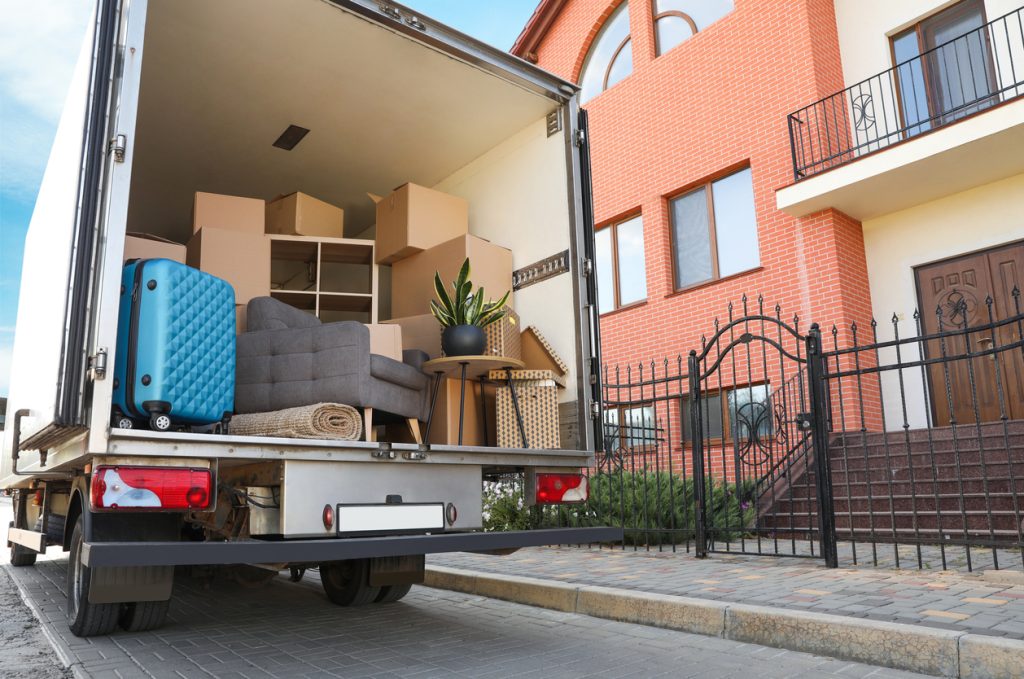
Last mile van fleet management services refer to the specialized coordination and optimization of vans used to complete the final stage of delivery from a distribution hub, warehouse, or fulfillment center to the end customer. This “last mile” is the most critical and cost-sensitive part of the logistics chain because it directly affects delivery speed, customer satisfaction, and overall operational profitability.
These services are widely used by e-commerce companies, courier firms, supermarkets, pharmacies, and logistics investors focused on urban delivery efficiency.
What last mile van fleet management means
Last mile van fleet management focuses on managing vans that handle final delivery routes.
A fleet management provider typically oversees:
- Dispatch and route planning for urban deliveries
- Real-time tracking of delivery vans
- Driver management and performance supervision
- Fuel and cost optimization
- Maintenance scheduling and vehicle readiness
- Customer delivery coordination and updates
- Proof of delivery (POD) systems
- Delivery time optimization and SLA compliance
In simple terms, it ensures that goods reach customers quickly, efficiently, and reliably.
Why last mile van fleet management is important
The last mile stage is the most expensive and operationally complex part of logistics.
Without structured management, companies often face:
- Delayed deliveries and poor customer experience
- High fuel consumption due to inefficient routing
- Traffic-related inefficiencies in urban areas
- Frequent delivery failures or missed drops
- High operational costs per delivery
- Poor fleet utilization and idle time
- Weak profitability in logistics operations
Fleet management addresses these issues through structure, technology, and optimization.
Core components of last mile van fleet management
1. Real-time fleet tracking
Visibility is essential for efficient delivery execution.
This includes:
- GPS tracking of all delivery vans
- Live monitoring of delivery routes
- Geofencing for delivery zones
- Driver behavior tracking (speed, stops, idle time)
- Real-time delivery status updates
2. Route optimization and dispatch planning
Efficient routing reduces cost and improves speed.
Management includes:
- Planning shortest and fastest delivery routes
- Assigning deliveries based on proximity and priority
- Reducing fuel consumption through optimized routing
- Avoiding traffic congestion and delays
- Multi-stop urban delivery sequencing
3. Driver management and workforce coordination
Drivers directly impact delivery performance.
This includes:
- Recruitment and onboarding
- Training for efficiency and safety
- Shift scheduling and workload balancing
- Performance monitoring and incentives
- Compliance with delivery standards
4. Vehicle maintenance and readiness
Reliable vans ensure consistent delivery performance.
Services include:
- Preventive maintenance scheduling
- Engine and system diagnostics
- Tire, brake, and oil checks
- Repair coordination and workshop management
- Emergency breakdown support
5. Fuel management and cost efficiency
Fuel is a major cost driver in last mile logistics.
Management includes:
- Fuel consumption tracking per vehicle
- Detecting inefficiencies or misuse
- Driver behavior optimization for fuel savings
- Cost-per-delivery analysis
- Fuel budgeting and reporting
6. Delivery execution and customer coordination
Customer experience is central to last mile success.
This includes:
- Warehouse dispatch coordination
- Parcel assignment and routing
- Delivery notifications and updates
- Proof of delivery (signature or digital confirmation)
- Customer scheduling and rescheduling support
7. Compliance and operational control
Legal and operational compliance ensures smooth service delivery.
This includes:
- Vehicle registration and insurance management
- Driver licensing and documentation
- Road safety compliance
- Delivery SLA monitoring
- Operational audit and reporting
8. Financial reporting and analytics
Data helps improve performance and profitability.
Reports include:
- Cost per delivery
- Cost per kilometer
- Delivery success rate
- On-time delivery performance
- Vehicle utilization rate
- Maintenance cost breakdown
- Return on investment (ROI)
Types of last mile van fleet management models
1. E-commerce delivery management
Focused on online retail fulfillment and rapid delivery.
2. Courier and express logistics
Handles small parcels and time-sensitive deliveries.
3. Retail distribution fleets
Used by supermarkets and FMCG companies.
4. Pharmaceutical last mile delivery
Specialized for medical and temperature-sensitive goods.
5. Hybrid urban logistics model
Combines multiple delivery services in one fleet system.
Key performance indicators (KPIs)
Last mile van fleet performance is measured using:
- On-time delivery rate
- Cost per delivery
- Vehicle utilization rate
- Fuel efficiency
- Delivery success rate
- Average delivery time
- Driver performance score
- Return on investment (ROI)
Benefits of last mile van fleet management services
Faster delivery times
Optimized routes reduce delays in urban areas.
Lower operational costs
Fuel and inefficiencies are minimized.
Higher customer satisfaction
Reliable and timely deliveries improve experience.
Better fleet utilization
Vans are consistently active and productive.
Improved profitability
Reduced waste increases ROI for operators and investors.
Challenges in last mile delivery operations
Despite benefits, challenges include:
- Urban traffic congestion
- High fuel prices
- Delivery density fluctuations
- Failed delivery attempts
- Driver reliability issues
- High operational intensity
Risks of unmanaged last mile fleets
Without structured management, operators may face:
- Missed or delayed deliveries
- High fuel and maintenance costs
- Poor customer satisfaction
- Low vehicle productivity
- Reduced profitability
- Weak return on investment
Technology used in last mile fleet management
Modern systems rely on:
- GPS tracking and telematics
- Route optimization software
- Mobile delivery applications
- Real-time dispatch systems
- Proof-of-delivery (POD) tools
- Fuel monitoring systems
- Analytics dashboards
These technologies improve visibility, speed, and efficiency.
Where logistics coordination fits into last mile van management
Last mile fleets operate within larger logistics ecosystems such as:
- E-commerce fulfillment centers
- Warehousing and inventory systems
- Supply chain distribution networks
- Regional logistics hubs
- Urban delivery infrastructure
Efficient coordination ensures fast and reliable delivery execution.
How Travo.ng supports logistics coordination
While last mile van fleet management services focus on optimizing delivery execution and fleet performance, logistics coordination ensures smooth movement of goods across transportation networks.
Travo.ng supports logistics operations through:
- Cargo consolidation and freight coordination
- Intercity and interstate delivery services
- Port-to-destination logistics support
- Supply chain coordination across Nigeria
- End-to-end logistics execution for cargo movement
This helps reduce inefficiencies and improves last mile delivery performance.
Final thoughts
Last mile van fleet management services are essential for modern logistics operations where speed, accuracy, and customer satisfaction define success. By integrating technology, route optimization, driver management, and financial control, these services transform delivery vans into highly efficient and profitable assets.
In today’s logistics economy, winning the last mile is not just about moving goods—it is about delivering value with precision, consistency, and operational excellence.
