


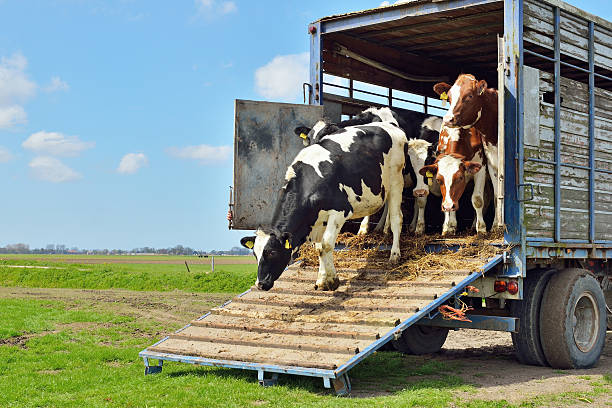
Farm animal transport in Nigeria involves moving cattle, goats, sheep, pigs, poultry and other farm animals between farms, ranches, livestock markets, breeding facilities, abattoirs and other agricultural locations.
Transporting live animals requires more planning than ordinary cargo. The vehicle, route, loading process, journey duration and destination all need to be considered to reduce unnecessary stress, injuries and delays.
How Farm Animal Transport Works in Nigeria
The process starts by identifying the animals, number of animals, pickup location and destination. The transporter can then determine the most suitable vehicle and route.
The vehicle should provide appropriate ventilation, secure containment and sufficient space for the animals being transported. Loading and unloading should also be carried out carefully.
For longer journeys, the transport plan should account for traffic, road conditions, weather and possible delays.
Transporting Farm Animals Between Nigerian States
Farm animals are regularly moved between different parts of Nigeria for farming, breeding, livestock trading and commercial purposes.
A journey from Kano to Lagos, Kaduna to Abuja or another interstate route requires more preparation than a short local movement.
Owners and transporters should confirm applicable veterinary and movement requirements before departure. Interstate livestock movements may also involve inspection and veterinary documentation.
Cattle Transport in Nigeria
Cattle transportation is an important part of Nigeria’s agricultural supply chain. Farmers and traders may move cattle from farms and ranches to livestock markets, breeding facilities or abattoirs.
Because cattle are large animals, the transport vehicle must have appropriate capacity and secure loading arrangements. Overcrowding can make the journey more difficult and increase the risk of injuries.
The receiving location should be ready before departure so that unloading can take place promptly after arrival.
Goat and Sheep Transport
Goats and sheep may be transported for breeding, farming, livestock sales and market supply.
The vehicle should provide secure containment and adequate ventilation. The number of animals should also be appropriate for the available space.
During periods of increased livestock demand, arranging transportation early can help farmers and traders avoid last-minute vehicle shortages.
Poultry and Other Farm Animals
Poultry transportation requires different arrangements from cattle, goats and sheep. Birds are generally transported in suitable crates or containers that allow adequate airflow and safe handling.
Other farm animals may also require species-specific transportation arrangements. The transport method should therefore be selected based on the animal rather than using one approach for every type of livestock.
Preparing Farm Animals for Transport
Preparation can help make the journey more organised. Depending on the species and journey, owners may need to arrange:
- Veterinary checks
- Required movement documents
- Appropriate livestock vehicles
- Suitable crates or containers
- Adequate ventilation
- Safe loading facilities
- Feeding and watering arrangements
- Confirmed pickup and delivery locations
- A realistic travel schedule
For long-distance transportation, owners should also plan for potential road delays.
Common Farm Animal Transport Problems
Poor transportation planning can result in overcrowding, unsafe loading, inadequate ventilation, vehicle breakdowns and delayed delivery.
Documentation problems can also cause difficulties during interstate movements. Another common issue is arriving at a destination where the receiving party is not ready to unload the animals.
Clear communication between the farmer, transporter and receiving party can help reduce these problems.
How Travo.ng Can Help With Farm Animal Transport
Travo.ng can help coordinate logistics for farm animal movements where suitable transportation, route planning and delivery coordination are required.
For farmers and livestock businesses, this can include coordinating pickup, transportation schedules and final delivery between farms, markets and other Nigerian destinations.
Where veterinary inspections, permits or other official requirements apply, these should be confirmed with the appropriate authorities and qualified veterinary professionals before transportation begins.
Planning Farm Animal Transport in Nigeria
Successful farm animal transport depends on choosing the right vehicle, planning the route and preparing the animals before departure.
Whether moving a few goats between nearby farms or transporting cattle across several states, early planning can help make the journey more predictable while supporting safer handling and timely delivery.
