


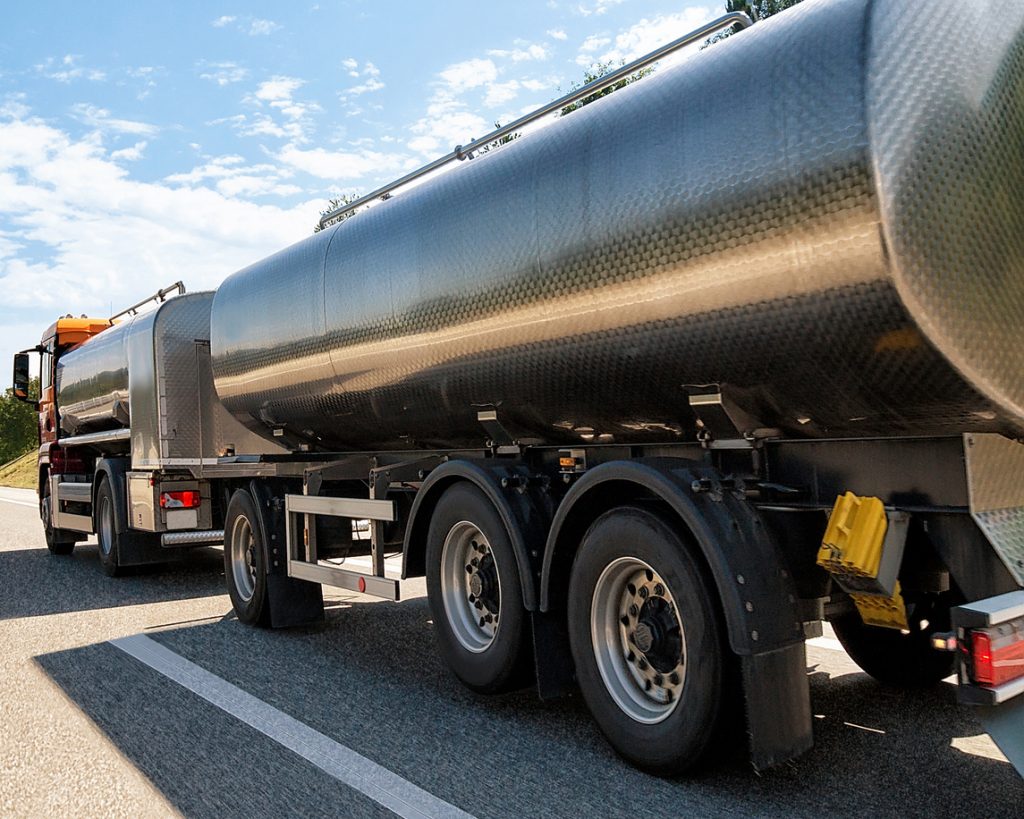
Moving petroleum products in Nigeria is not the same as sending regular cargo. Fuel, lubricants, diesel, aviation-related products, and industrial petroleum supplies require careful planning, trusted transport coordination, safety awareness, and strong route knowledge.
For companies searching for a reliable petroleum logistics provider Nigeria, the real concern is simple: how do you move sensitive petroleum-related goods without delays, losses, poor handling, or unnecessary risk?
That is where practical logistics experience matters.
What Petroleum Logistics Looks Like in Real Nigerian Operations
Petroleum logistics often involves moving products from depots, suppliers, warehouses, industrial areas, or distribution points to businesses that depend on steady supply.
Common movements may include:
- Diesel supply support for offices, estates, hotels, and factories
- Lubricant delivery to workshops and industrial users
- Petroleum-related cargo movement between Nigerian cities
- Transport coordination for energy, construction, and manufacturing businesses
- Scheduled delivery support for companies that cannot afford supply gaps
In cities like Lagos, Port Harcourt, Abuja, Ibadan, Kano, and Onitsha, timing is a major part of the job. A delivery that leaves Apapa or Ijora at the wrong time can lose hours in traffic before it even gets out of Lagos.
Why Businesses Need More Than Just a Truck
Many companies make the mistake of treating petroleum logistics like normal haulage. The problem is that petroleum-related movement needs better coordination.
A good logistics plan should consider:
- Product type and handling requirements
- Pickup and delivery location access
- Road condition and traffic delays
- Driver reliability
- Delivery documentation
- Emergency communication
- Route safety
- Offloading arrangements
For example, moving diesel from Lagos to Abuja may require proper scheduling, route monitoring, and confirmation that the receiving location is ready before dispatch. Without that, the vehicle may arrive late, wait too long, or create extra costs.
Common Problems With Petroleum Delivery in Nigeria
Businesses often face avoidable issues because they work with unstructured operators.
Some common problems include:
- Late dispatch from depots or pickup points
- Poor communication during transit
- Wrong vehicle size for the delivery volume
- Lack of proper delivery confirmation
- Unexpected route delays
- Unclear pricing before movement begins
- No backup plan when a vehicle breaks down
These issues can affect hotels, construction sites, factories, event companies, farms, and businesses that rely on generators or heavy equipment.
How Travo.ng Supports Petroleum Logistics Planning
Travo.ng helps businesses arrange practical transport and logistics support across Nigeria. For petroleum-related cargo, the focus is on proper coordination, reliable movement, and clear communication from pickup to delivery.
Depending on the business need, Travo.ng can support with:
- Cargo logistics coordination
- Delivery scheduling
- Interstate transport support
- Business logistics planning
- Vehicle hire coordination
- Courier and delivery support for related documents or smaller items
- Route planning for time-sensitive movement
The goal is not just to “find a vehicle.” It is to help customers move goods with fewer delays and better visibility.
What It May Cost to Move Petroleum-Related Cargo
Pricing depends on distance, product type, vehicle requirement, pickup location, urgency, and delivery complexity.
For example:
- Local Lagos delivery may cost less if the route is short and the load is small
- Lagos to Abuja movement usually costs more because of distance, fuel, driver time, and road conditions
- Urgent same-day coordination may attract higher charges
- Heavy or sensitive cargo may need a more suitable vehicle and experienced handling
A serious petroleum logistics provider in Nigeria should ask questions before quoting. Any operator giving a flat price without understanding the movement may create problems later.
When You Should Book Ahead
Petroleum logistics should not be left until the last minute, especially during:
- Festive travel periods
- Fuel scarcity periods
- Rainy season road disruptions
- Public holidays
- High-demand business weeks
- Major event or construction deadlines
Booking early helps with vehicle availability, route planning, pricing clarity, and smoother delivery.
Choosing the Right Petroleum Logistics Provider Nigeria Needs
Before choosing a provider, ask practical questions:
- Can they handle the route?
- Do they understand Nigerian road realities?
- Will they communicate during movement?
- Can they coordinate pickup and delivery properly?
- Are costs explained clearly?
- Can they support repeat business logistics?
Travo.ng gives businesses a simpler way to arrange reliable logistics support without chasing multiple transport contacts or depending on guesswork.
For companies that need petroleum logistics, cargo movement, delivery coordination, or business transport support, Travo.ng provides a practical local solution built around real Nigerian logistics challenges.
Suggested internal linking opportunities:
Mention Travo.ng cargo logistics, delivery services, vehicle hire, business logistics support, and interstate transport coordination naturally within related service pages.
