


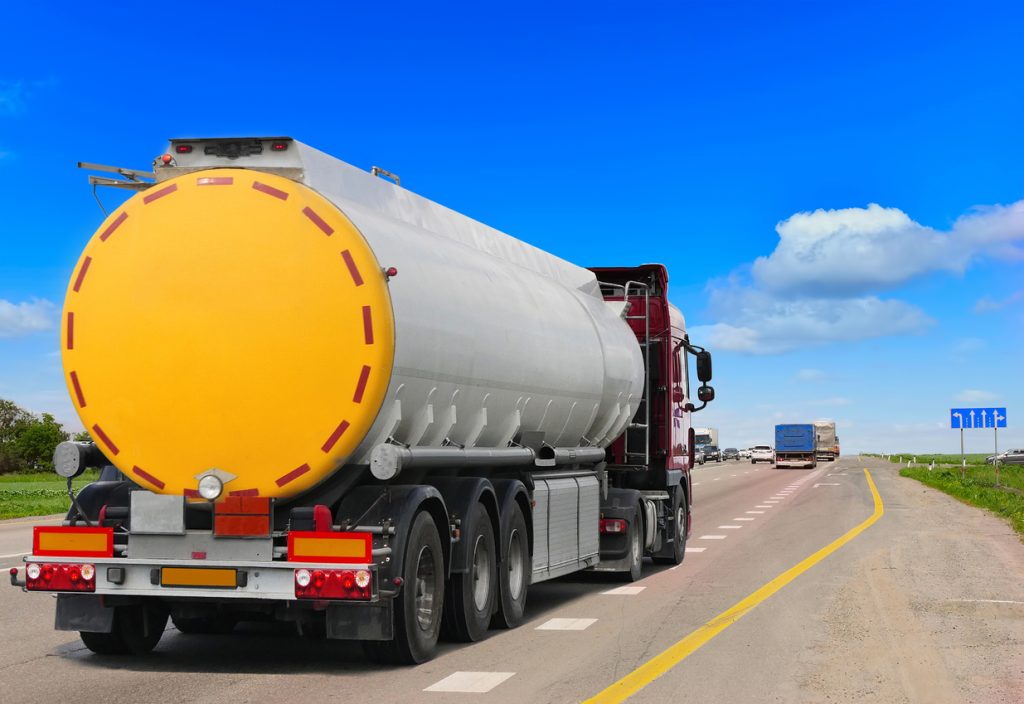
Moving petroleum products across Nigeria is not as simple as loading a tanker and sending it to its destination. Every day, fuel marketers, depot operators, distributors, and industrial buyers face serious challenges ranging from theft and vandalism to route disruptions and security concerns. This is why petroleum convoy security Nigeria services have become a critical part of fuel transportation operations.
Whether fuel is being transported from Lagos depots to Abuja, from Port Harcourt to the North, or between industrial hubs in Ogun, Delta, and Kano, proper convoy security helps protect both cargo and personnel while reducing costly delays.
At Travo.ng, we understand the realities of coordinating logistics across Nigerian highways and transport corridors. Security planning is often just as important as vehicle availability when moving high-value petroleum products.
Why Fuel Tankers Require More Than Standard Transport Planning
Petroleum products remain one of the most valuable commodities transported on Nigerian roads. A single tanker carrying diesel, petrol, or aviation fuel represents a significant financial investment.
Because of this, operators frequently face risks such as:
- Cargo theft
- Unauthorized product diversion
- Roadside attacks
- Route blockages
- Driver safety concerns
- Delays caused by security incidents
These challenges are especially common along major transport routes linking depots, ports, industrial estates, and distribution centers.
Businesses moving petroleum products often combine transport coordination with professional escort arrangements to ensure shipments arrive safely and on schedule.
Routes Where Security Planning Matters Most
Some transport corridors require additional attention due to traffic conditions, road infrastructure, and operational risks.
Common petroleum transport routes include:
- Lagos to Abuja
- Lagos to Kano
- Port Harcourt to Enugu
- Warri to Kaduna
- Calabar to Abuja
- Ibadan to Northern distribution hubs
For example, a fuel tanker leaving Apapa or Ijora in Lagos may spend hours navigating urban traffic before reaching major highways. Delays during these early stages can affect delivery schedules and increase operational exposure.
Experienced logistics coordinators usually factor security requirements into route planning long before the convoy begins its journey.
What Petroleum Convoy Security Typically Includes
The exact security arrangement depends on the cargo volume, route, destination, and client requirements.
A typical convoy operation may involve:
- Route assessment before departure
- Escort vehicle coordination
- Driver communication monitoring
- Scheduled checkpoint updates
- Emergency response planning
- Arrival confirmation procedures
For large-scale fuel distribution projects, businesses may also require multiple tankers traveling together under coordinated supervision.
This approach helps maintain accountability while improving visibility throughout the journey.
Common Mistakes Companies Make When Moving Petroleum Products
Many organizations focus exclusively on transportation costs while overlooking operational risks.
Some of the most common mistakes include:
- Choosing routes solely based on distance
- Failing to monitor vehicles in transit
- Inadequate communication with drivers
- Lack of contingency planning
- Delayed security arrangements
A single incident can result in losses that far exceed the cost of proper convoy planning.
Companies that regularly move diesel, PMS, AGO, aviation fuel, or lubricants often treat security logistics as part of their overall transportation budget rather than an optional extra.
How Delivery Timelines Are Affected by Security Coordination
Businesses often ask how convoy security affects delivery schedules.
In practice, security planning usually improves delivery reliability rather than slowing operations.
For example:
- Lagos to Abuja tanker deliveries may take between 12 and 18 hours depending on traffic, weather, and road conditions.
- Port Harcourt to Kano movements can take significantly longer and require more extensive monitoring.
- Multi-stop industrial deliveries often need coordinated scheduling to avoid unnecessary waiting periods.
Proper planning helps reduce unexpected delays that can disrupt supply chains and affect customer commitments.
Choosing a Logistics Partner That Understands Fuel Transport
Petroleum transportation requires more than access to vehicles. It demands an understanding of Nigerian road networks, operational risks, delivery scheduling, and security coordination.
At Travo.ng, we work with businesses that require dependable logistics support for cargo movement, transport coordination, and operational planning across Nigeria. Depending on project requirements, clients can also benefit from related services such as vehicle hire, business logistics support, interstate transport coordination, and relocation logistics.
The goal is simple: move valuable cargo efficiently while minimizing avoidable risks.
Keeping Fuel Supply Chains Moving Safely
As fuel demand continues to grow across Nigeria, secure transportation remains essential for distributors, industrial operators, marketers, and commercial buyers.
Effective petroleum convoy security Nigeria solutions help protect assets, improve delivery reliability, and support uninterrupted supply chain operations. Businesses that invest in proper planning, route management, and security coordination are better positioned to move petroleum products safely and efficiently across the country.
For organizations handling regular fuel transportation, working with experienced logistics coordinators can make the difference between costly disruptions and dependable de
