


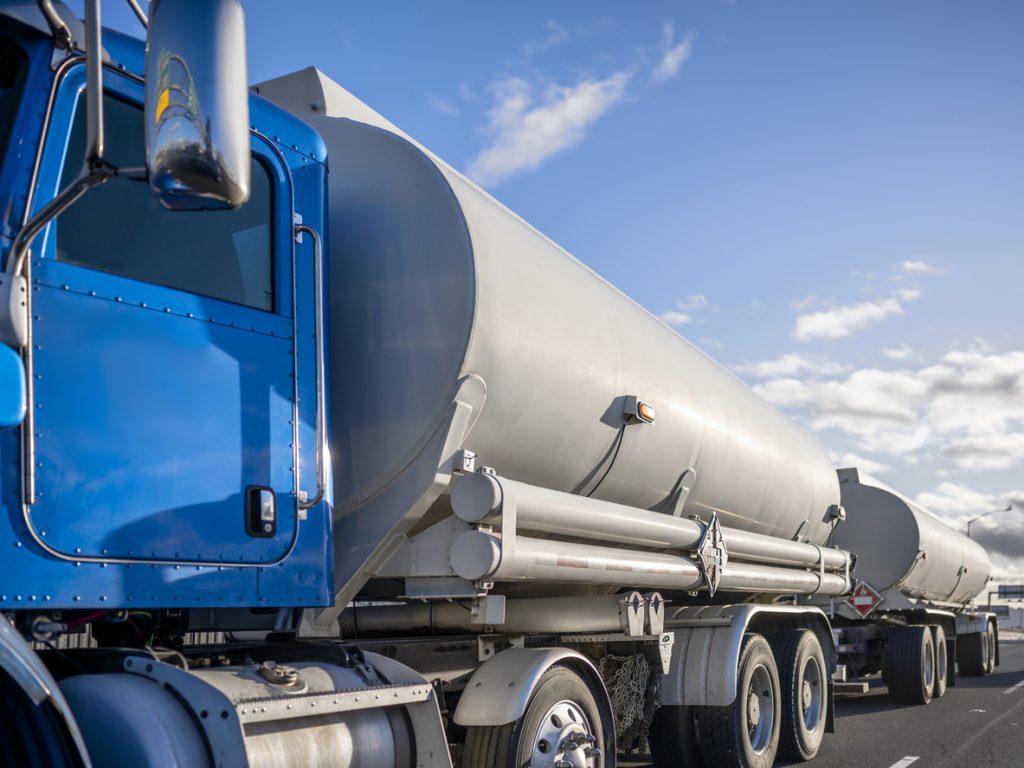
Moving petroleum products in Nigeria is not the same as moving regular cargo. A business can delay office supplies for a day and still survive, but when diesel, lubricants, fuel-related equipment, or energy supplies are delayed, operations can stop completely. That is why choosing a reliable petroleum logistics startup in Nigeria matters for companies that depend on steady movement, proper coordination, and local route knowledge.
For many businesses, the real issue is not just transportation. It is timing, documentation, vehicle availability, route planning, driver communication, and last-mile delivery. Travo.ng helps businesses handle these moving parts with practical logistics support across Nigeria.
Why Petroleum Logistics Needs More Than Just a Truck
A common mistake many businesses make is assuming petroleum logistics is only about finding a vehicle. In reality, the process often involves:
- Confirming pickup and delivery windows
- Matching the right vehicle to the cargo
- Planning around traffic, road conditions, and checkpoints
- Coordinating drivers and receivers
- Monitoring delays before they affect operations
For example, moving fuel-related supplies from Apapa to Ikeja is different from coordinating delivery from Lagos to Abuja or Port Harcourt. Lagos traffic alone can affect delivery timing, especially around Apapa, Mile 2, Oshodi, and Lekki-Epe corridors.
A good logistics partner understands these realities before the movement starts.
Common Routes Businesses Depend On
Petroleum-related businesses in Nigeria often move goods across major commercial and industrial routes. Some common corridors include:
- Lagos to Abuja
- Lagos to Port Harcourt
- Lagos to Ibadan
- Warri to Benin
- Port Harcourt to Aba
- Lagos mainland to Lekki industrial areas
Each route has its own timing issues. Lagos to Abuja can take one to two days depending on vehicle type, loading time, road condition, and delivery urgency. Within Lagos, a same-day movement can still become difficult if pickup happens late in the afternoon or during heavy traffic periods.
This is where structured logistics planning makes a real difference.
What Businesses Should Check Before Booking Petroleum Logistics
Before working with any petroleum logistics startup in Nigeria, businesses should ask practical questions.
Can the provider coordinate both pickup and delivery?
Do they understand Nigerian road movement?
Can they support urgent business deliveries?
Can they communicate clearly with drivers and receivers?
Can they handle cargo, courier, transport, or relocation needs when required?
Travo.ng is useful because businesses can arrange logistics support without dealing with too many separate vendors. Depending on the need, customers can request courier services, cargo logistics, transport coordination, delivery support, vehicle hire, and business logistics assistance.
Pricing Expectations for Petroleum Related Logistics
Costs vary depending on distance, cargo type, urgency, vehicle size, and loading requirements.
For small fuel-related equipment, lubricant cartons, documents, or spare parts within Lagos, pricing may be handled like regular courier or delivery service. For heavier cargo or interstate movement, the cost will depend on vehicle capacity and destination.
A Lagos to Abuja business delivery will usually cost more than local Lagos distribution because of fuel, driver allowance, distance, loading time, and road risk. The best approach is to request a proper quote based on what is being moved, where it is going, and how fast it must arrive.
Mistakes That Cause Delays
Many logistics delays happen before the vehicle even moves. Common mistakes include:
- Booking too late in the day
- Giving unclear pickup addresses
- Not confirming who will receive the cargo
- Choosing the wrong vehicle size
- Ignoring loading and offloading time
- Expecting interstate delivery without route planning
For petroleum businesses, these mistakes can affect generator supply schedules, equipment installation, station maintenance, and customer commitments.
How Travo.ng Supports Better Logistics Coordination
Travo.ng is built around practical movement needs in Nigeria. Instead of treating logistics as a one-size-fits-all service, the platform helps customers arrange support based on the job.
A business may need courier delivery today, cargo movement tomorrow, airport pickup for a visiting engineer next week, and hotel reservation for a project team later. Travo.ng connects these needs under one service experience, making planning easier for companies that operate across locations.
For petroleum-related businesses, this flexibility is important because logistics often connects with travel, transport, accommodation, and field operations.
When to Use Travo.ng for Petroleum Logistics Support
You should consider Travo.ng when you need:
- Business delivery coordination
- Interstate cargo movement
- Courier services for documents or parts
- Vehicle hire for field teams
- Airport pickup for staff or partners
- Hotel reservations during project visits
- Relocation or transport support
The goal is simple: reduce the stress of arranging movement across Nigeria and make logistics easier to manage.
A Better Way to Move Petroleum Related Cargo in Nigeria
Finding a petroleum logistics startup in Nigeria should not be about choosing the cheapest option blindly. It should be about reliability, communication, local knowledge, and the ability to handle real operational pressure.
Travo.ng gives businesses a practical way to plan deliveries, arrange transport, coordinate cargo, and support travel-related movement across Nigeria. For companies that cannot afford poor timing or scattered coordination, that kind of support can make daily operations smoother and more predictable.
