


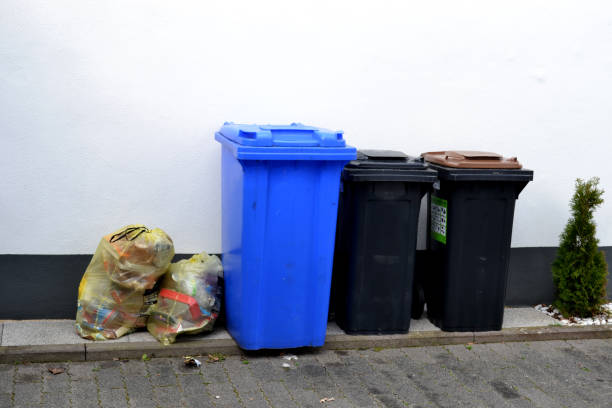
Organic waste recycling in Nigeria should connect separated material to a suitable, confirmed processing route. Food scraps, market produce, garden trimmings and industrial organic residues are not automatically interchangeable feedstocks. Ask the receiver what it accepts before designing the collection system.
If you need organic waste collection, composting logistics or a food-waste recovery programme, Travo can discuss the pickup and transport requirements. A processing facility, specialist treatment, compost sale or energy project must be confirmed separately. This guide explains how to choose a route and avoid calling ordinary rubbish removal recycling.
Reduce food waste before paying to collect it
Track why food is discarded: over-purchasing, spoilage, preparation losses and unserved meals may need different responses. Improving forecasting, stock rotation and storage can reduce collection volume as well as food costs.
The US EPA Wasted Food Scale places prevention ahead of downstream management. Use that principle for planning, while any food redistribution or other reuse must meet applicable Nigerian safety and operational requirements. Do not send unsuitable food into an informal reuse route simply to claim diversion.
Composting, biogas and disposal: understand the difference
| Route | What happens | What to confirm |
|---|---|---|
| Composting | Managed aerobic biological processing produces stable compost | Accepted feedstock, process quality and intended use |
| Anaerobic digestion | Controlled processing without oxygen can produce biogas and digestate | Facility design, feedstock suitability and residue management |
| Other recovery route | Depends on the material and approved process | Actual receiver, permissions and evidence |
| Residual disposal | Material unsuitable for the agreed recovery route is managed separately | Authorised destination and record |
EPA’s composting explanation distinguishes stable compost from raw or partly decomposed material. Shredding or drying food waste alone does not turn it into finished compost. A receiving facility should explain how it controls contamination and verifies its product.
EPA’s anaerobic-digestion overview explains biogas and digestate as separate outputs. Digestate is not automatically equivalent to mature compost. Its treatment and suitable use need assessment for the actual process.
Food and organic waste collection
Separate food preparation scraps, discarded produce and other agreed organic materials from plastic, glass, metal and general refuse. Follow the receiving facility’s rules for cooked food, meat, bones, fats and packaging. Do not assume every compost facility accepts everything described as biodegradable.
Use secure containers appropriate to the volume and material. Agree lids, leakage prevention, cleaning responsibilities and collection access. Food businesses should plan frequency around actual production and storage conditions rather than wait for overflow.
For local details, see Travo’s organic waste recycling in Lagos and food waste recycling guide. Confirm current service scope at the exact address.
Compost production and facility enquiries
A compost-production proposal should identify input sources, acceptance controls, processing method, site requirements and output buyers. Reliable access to clean feedstock is as important as equipment. A heap of mixed waste is not a commercial product specification.
Ask how the facility manages odour, pests, runoff, rejected packaging and other residues. Establish the applicable environmental and local approvals before accepting material. Assess product testing and suitability for intended agricultural or landscaping use rather than assuming all compost is appropriate for every crop.
If you need a collection service instead of building a facility, state that clearly. Travo can discuss transport coordination; facility ownership, operation and technical design are separate matters that should be named in the enquiry.
Biogas waste and waste-to-energy planning
For a biogas project, identify consistent feedstock volume and composition, the proposed plant, operating expertise and the use of energy and residues. A general waste supply does not establish technical suitability or commercial viability.
Waste-to-energy is a broad term and can describe different processes. Ask which technology is proposed and why it fits the material. Do not divert a clean, readily recoverable stream into another route without evaluating reduction, reuse and material recovery options.
Commercial plans need feedstock agreements, permits, operating costs, downtime assumptions and product or energy-use arrangements. Use qualified technical and environmental specialists. This guide does not promise electricity production, project returns or a ready-made processing outlet in every city.
Collection logistics and receiving acceptance
Schedule collection against both the generator’s operations and the receiver’s intake windows. Record quantities, contamination, pickup time and accepted destination. If a load is rejected, use the agreed authorised alternative rather than treating rejection as permission to dump it.
Separate packaging from organic material according to the receiver’s instructions. “Compostable” packaging should only enter the stream if that actual facility accepts it. Similar-looking materials can have very different processing requirements.
For multiple restaurants, markets or branches, agree site responsibilities and consistent labels. Keep a record of missed pickups and recurring contamination so the programme improves rather than repeatedly moving unsuitable loads.
Measure landfill diversion and waste reduction
Define the reporting boundary and period. Keep figures for generated waste, avoided waste where credibly measured, collection, accepted recovery inputs and residual disposal separate. Explain how weights are obtained and what evidence confirms downstream treatment.
A collection receipt alone is not a landfill-diversion certificate. Do not claim zero waste because an organic bin has been installed. Track a baseline, actual recovery outcomes and the material still requiring another route.
How Travo can assist
Send Travo the address, material list, estimated quantities, storage arrangements, preferred schedule and proposed receiver if known. Ask for confirmation of acceptance, provider responsibilities and transport scope. Use the Nigeria rubbish-collection guide and contractor comparison guide to prepare the commercial review.
Organic recovery planning checklist
Use this checklist to prepare your enquiry. Selections stay in this page only.
Common organic waste questions
Can every food bin go to composting?
No. Confirm the actual facility’s acceptance requirements and any sorting or pre-processing needed.
Does recycling organic waste guarantee free compost or energy?
No. Collection, processing, product supply and energy use are different arrangements with separate costs and conditions.
