


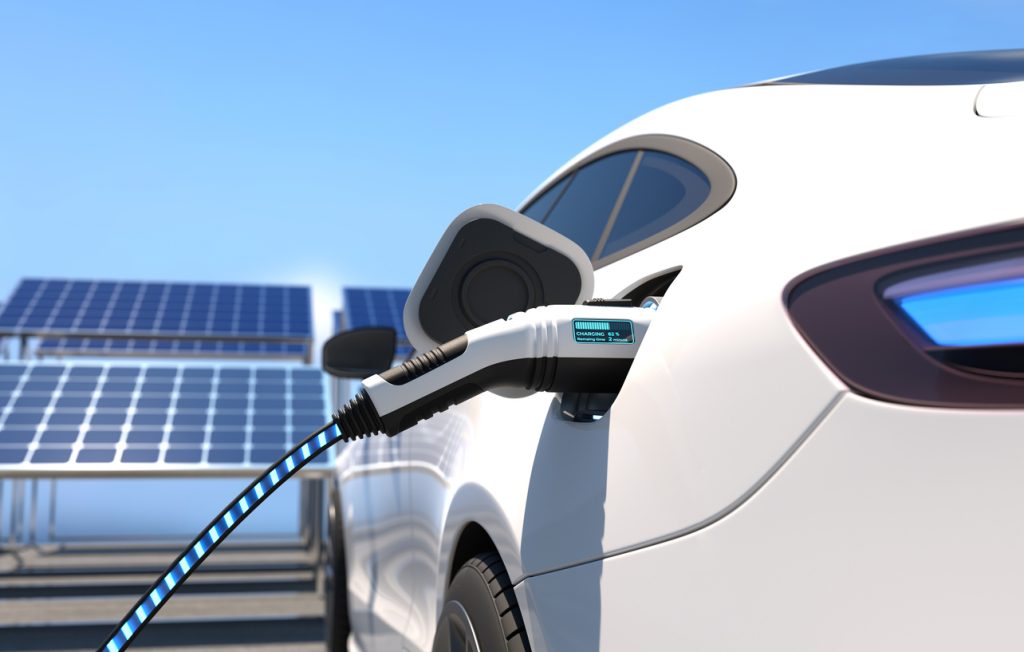
Owning an electric vehicle becomes much easier when you can charge it where you live. A Domestic EV charging point gives EV owners a dedicated home charging setup instead of depending entirely on public charging stations or making unnecessary trips just to recharge.
In Nigeria, however, installing a home charger involves more than choosing a unit and fixing it to a wall. The available electricity supply, property wiring, parking arrangement, charger capacity and the vehicle itself all need to work together.
For people gradually moving from petrol vehicles to electric mobility, getting these details right from the beginning can make everyday EV ownership far more practical.
Check Your Home’s Electrical Supply Before Choosing a Charger
The first question is not simply, “Which charger should I buy?” It is whether your property can safely support the charging load.
A qualified electrician should inspect the building’s electrical installation, including the distribution board, cable size, earthing and available load capacity. This is particularly important in older Lagos, Abuja and Port Harcourt properties where the existing wiring may not have been designed for prolonged EV charging.
Your installer should also confirm the charging capability of the vehicle. Buying a charger with a higher rating does not automatically mean the car will charge at that maximum speed.
Matching the vehicle, charger and available electrical supply prevents unnecessary spending.
Where You Park the Vehicle Changes the Installation
Installing a Domestic EV charging point is usually simpler when the vehicle has a permanent parking position close to the house.
For example, a detached home in Lekki with a private compound may allow straightforward installation near the parking bay. An apartment resident in Victoria Island, Ikeja or Wuse may have a different situation because cables cannot simply be run through shared parking areas without considering building management and other residents.
Before installation, consider:
- The normal overnight parking position
- Distance from the distribution board
- Protection from rain and physical damage
- Whether cables could obstruct pedestrians or vehicles
- Permission required in rented or shared properties
A poorly positioned charger can make daily use unnecessarily frustrating.
How Long Should Home EV Charging Take?
Charging time varies considerably between vehicles and charging setups.
A small top-up after normal city driving may only require a few hours, while replenishing a heavily depleted battery can take much longer. Battery size, remaining charge, charger output and the vehicle’s onboard charging limit all affect the final time.
For many EV owners, the practical approach is not to wait until the battery is almost empty. Plugging in when the vehicle returns home means charging can take place during periods when the car would normally remain parked anyway.
This is particularly useful for drivers who commute between areas such as Lekki and Victoria Island, Ikeja and Lagos Island, or Gwarinpa and central Abuja.
Power Reliability Needs to Be Part of the Plan
Nigeria adds an important consideration to home EV charging: electricity availability.
A charger cannot solve an unreliable supply on its own. Anyone planning home charging should therefore consider how electricity is normally supplied to the property and whether available backup systems are genuinely capable of supporting EV charging.
Attempting to run a substantial charging load from an unsuitable inverter, undersized generator or weak household circuit can create problems.
Where solar or battery storage is available, an installer should assess the entire energy system rather than assuming the EV charger can simply be added to it.
What a Proper Domestic Installation Should Include
Avoid treating an EV charger like an ordinary household socket.
A professional installation should consider appropriate cabling, circuit protection, earthing, isolation and safe positioning. The installer should also test the completed system before regular charging begins.
When obtaining quotations, ask what is actually included. A cheap quotation may cover only the charger installation while excluding longer cable runs, electrical upgrades or other work required at the property.
The cheapest initial quote is therefore not necessarily the lowest final cost.
Making Electric Mobility Easier Beyond Home Charging
A good home charging arrangement solves one part of EV ownership: having a dependable place to recharge when the vehicle is parked.
Travo.ng supports practical mobility and transport needs across Nigeria, including vehicle arrangements, transport coordination, airport pickups and business mobility support. For individuals and organisations adopting electric vehicles, planning charging alongside everyday movement helps avoid situations where vehicles are available but cannot conveniently complete the required journey.
A properly planned Domestic EV charging point should fit naturally into your routine. When the electrical supply, vehicle requirements and installation location are assessed correctly, charging at home becomes less of a daily concern and more like plugging in another essential device before the next day’s journey.
