


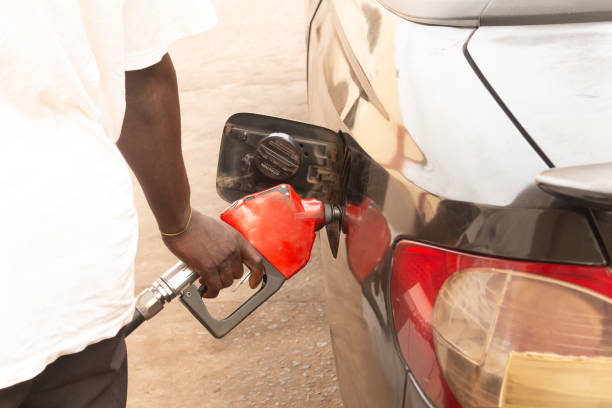
Fuel expenses can quickly reduce profits for transport and logistics businesses in Nigeria. Between unpredictable traffic, rising operating costs, and poor driving habits, fleet owners often struggle to understand where their fuel money goes.
Driver performance monitoring fuel in Nigeria helps businesses identify wasteful driving patterns, track vehicle usage, and control unnecessary fuel consumption.
For companies managing deliveries across Lagos, Abuja, Port Harcourt, and other Nigerian cities, monitoring driver behaviour is an important part of keeping transport operations profitable.
How Driver Behaviour Affects Fuel Consumption in Nigeria
Two drivers operating similar vehicles on the same route may consume different amounts of fuel.
The difference often comes from driving habits, vehicle conditions, and route decisions.
Common practices that increase fuel consumption include:
- Excessive speeding and sudden acceleration.
- Leaving engines running during long stops.
- Taking unnecessary detours.
- Carrying loads beyond recommended capacity.
- Ignoring vehicle maintenance problems.
For example, a delivery driver travelling between Ikeja and Lekki may spend several hours navigating traffic.
Unnecessary engine idling and aggressive acceleration can increase fuel consumption without improving delivery times.
Monitoring these habits helps fleet managers identify problems before operating expenses become excessive.
Tracking Fuel Usage Without Relying on Driver Reports
Many Nigerian transport businesses still depend on handwritten fuel records and verbal updates from drivers.
Unfortunately, these methods make it difficult to identify inaccurate reporting or unexplained fuel expenses.
A practical monitoring system should record:
- Fuel purchased and litres supplied.
- Vehicle mileage before and after trips.
- Actual routes travelled.
- Engine idling periods.
- Fuel consumption per kilometre.
- Unscheduled stops and route deviations.
GPS tracking, fuel sensors, and digital trip records can provide additional visibility.
However, managers should compare these records with receipts and vehicle inspections rather than assuming every unusual reading indicates misconduct.
Reducing Fuel Waste on Lagos and Interstate Routes
Fuel management becomes more complicated when vehicles operate across multiple Nigerian states.
A truck moving goods from Lagos to Abuja faces different conditions from a dispatch vehicle handling deliveries within Victoria Island.
Long-distance journeys involve highway speeds, changing road conditions, loading delays, and occasional diversions.
Businesses can reduce unnecessary fuel consumption by planning routes carefully and scheduling vehicle maintenance.
Drivers should also receive clear instructions about approved routes, refuelling procedures, and reporting unexpected delays.
For Lagos deliveries, coordinating dispatch times around known congestion periods can reduce avoidable waiting, although traffic conditions remain unpredictable.
Using Driver Performance Monitoring Fuel in Nigeria to Control Costs
Fleet managers should evaluate fuel efficiency alongside delivery performance rather than judging drivers solely by litres consumed.
Useful performance indicators include fuel consumed per 100 kilometres, excessive idling, harsh braking, and completed deliveries.
Vehicle type, load weight, road conditions, and traffic must also be considered.
For instance, a fully loaded delivery van operating around Apapa will naturally consume fuel differently from an empty vehicle travelling along a clear expressway.
Reviewing performance weekly helps managers identify recurring problems and arrange driver training where necessary.
How Travo.ng Supports Better Transport Coordination
Managing drivers, fuel expenses, and delivery schedules requires proper coordination.
Travo.ng supports Nigerian businesses through transport coordination, cargo logistics, courier services, and business logistics arrangements.
Companies planning regular deliveries or interstate cargo movement can use these services to organise transport requirements and reduce avoidable operational confusion.
Businesses should still maintain their own fuel records and monitoring systems or confirm whether specialised tracking is available through their fleet provider.
Build a More Fuel-Efficient Transport Operation
Effective fuel management begins with accurate records, responsible driving, and realistic route planning.
Businesses that monitor driver behaviour can identify unnecessary expenses, improve vehicle utilisation, and make better transport decisions.
For organisations handling deliveries and cargo movement across Nigeria, Travo.ng offers practical logistics and transport coordination support.
Better planning, consistent driver supervision, and reliable logistics arrangements can help businesses control costs while maintaining dependable delivery operations.
