


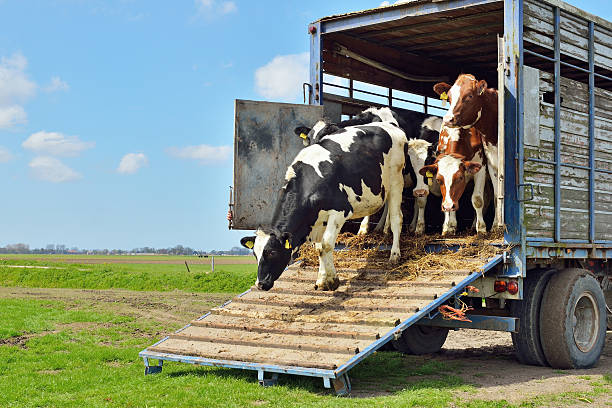
Finding cheap animal transport in Nigeria does not simply mean choosing the lowest quote. The cheapest option can become expensive if the vehicle is unsuitable, the journey is poorly planned, or the animal arrives late or injured.
Whether you are moving a dog, cat, goat, sheep, cattle, poultry or another animal, the best way to reduce transportation costs is to plan the journey properly and choose a transport arrangement that matches the animal, distance and number of animals involved.
What Makes Animal Transport Expensive in Nigeria?
Animal transport costs vary because every journey is different. Some of the main factors include:
- Pickup and delivery locations
- Distance between the two locations
- Type and size of animal
- Number of animals being moved
- Vehicle required
- Road conditions and traffic
- Loading and unloading requirements
- Travel date and demand
- Crates, carriers or specialised equipment
- Veterinary or movement documentation where required
Long-distance livestock movement can be particularly expensive because fuel, vehicle capacity and road conditions have a major effect on the overall cost. Recent reporting from Nigeria, for example, showed that the cost of transporting trucks of rams from northern Nigeria to Lagos had increased substantially because of fuel prices and road challenges. (News Agency of Nigeria)
How to Find Cheap Animal Transport in Nigeria
The first step is to compare the complete transportation arrangement rather than looking only at the initial price.
A cheaper option may involve shared vehicle capacity, a suitable smaller vehicle for a local journey, or combining transportation with an already planned route. However, the animal must still have enough space, ventilation and appropriate handling throughout the trip.
For pets, a secure carrier and proper handling may be more important than simply finding the cheapest available vehicle.
Short-Distance Animal Transport Can Cost Less
Moving an animal within the same city or between nearby locations is generally easier to organise than transporting it across several states.
For example, moving a dog from one part of Lagos to another does not require the same logistics as moving livestock from Kano to Lagos. Shorter journeys normally involve less fuel, less driving time and fewer operational requirements.
If you only need to move an animal a short distance, ask for a route-specific quote rather than paying for a larger transport arrangement than necessary.
Move Multiple Animals Together When Practical
If you are a farmer, breeder or livestock trader, transporting several animals in one suitable vehicle can make more sense than arranging separate trips.
The important point is not to overload the vehicle. Animals still need adequate space, ventilation and safe loading conditions.
For example, goats or sheep being moved from a farm to a market may be transported together when the vehicle is properly suited to the number and size of animals.
Choose the Right Vehicle
Using a vehicle that is unnecessarily large can increase the cost of a journey. At the same time, using an unsuitable small vehicle simply because it is cheaper can create safety and welfare problems.
The vehicle should match the type and number of animals being transported.
Dogs and cats may require secure carriers, while cattle, goats, sheep and other livestock may require appropriate livestock vehicles. Long journeys also need consideration for ventilation, heat, loading and unloading.
Plan Your Route Before Booking
Route planning can help reduce unnecessary transportation costs.
Give the transporter the exact pickup location, destination and preferred travel date. For interstate journeys, mention whether there are additional stops or multiple animals being collected from different locations.
Routes involving major Nigerian cities can also be affected by traffic. A journey involving Lagos, Ibadan, Abuja, Kano, Kaduna, Benin City or Port Harcourt may require different planning depending on the time and direction of travel.
A realistic route plan can reduce unnecessary delays and additional charges.
Avoid Last-Minute Animal Transport
Booking early can give you more options.
Last-minute transportation may leave you with fewer suitable vehicles, particularly during periods of high demand such as festive seasons, market periods or major agricultural activities.
Planning ahead also gives you time to prepare the animal, confirm the receiving location and arrange any required documentation.
Don’t Ignore Veterinary and Movement Requirements
Trying to make animal transportation cheaper by skipping necessary documentation or professional preparation can create bigger problems later.
Depending on the animal and type of movement, veterinary checks, health certificates, permits or other documentation may apply. Nigeria’s agricultural quarantine authorities also have specific requirements for certain live-animal movements, particularly import and export activities. (National Agricultural Quarantine Service)
For interstate livestock transportation, confirm the applicable requirements before the journey.
How Travo.ng Can Help With Affordable Animal Transport
Travo.ng can help coordinate animal transportation and related logistics in Nigeria, including pet movement, livestock transportation, pickup arrangements and delivery planning where suitable transportation is available.
The company’s animal transport services cover different movement needs, including livestock between farms and markets, pet relocation and interstate animal transportation. (Travo Blog)
For a cheaper arrangement, provide the important details from the beginning: animal type, number of animals, pickup location, destination, preferred date and any special handling requirements.
This allows the transportation arrangement to be planned around the actual journey rather than using a one-size-fits-all solution.
Get a Cheap Animal Transport Quote Based on Your Route
There is no single cheap animal transport price that applies across Nigeria. A short pet journey within Lagos is very different from moving livestock between northern and southern Nigeria.
The most useful way to reduce your cost is to request a quote based on the actual route, animal type, number of animals and required vehicle.
With proper planning, suitable transportation and early booking, you can keep animal transport costs under control while still giving the animals a safer and more organised journey.
