


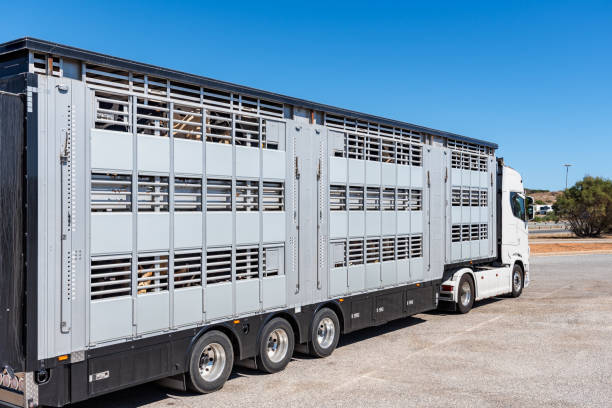
The cost of transporting animals in Nigeria depends on much more than the distance between the pickup and delivery locations. The animal species, number of animals, vehicle required, route, journey duration and handling arrangements can all affect the final price.
Whether you are moving goats from a farm to a market, transporting cattle between states, relocating horses or arranging specialist transport for pets, it is important to understand what makes up the quotation before booking.
What Determines Animal Transport Cost in Nigeria?
There is no single nationwide price for animal transportation. Transporters normally consider several factors before giving a quotation.
The main cost factors include:
- Type and number of animals
- Pickup and delivery locations
- Total journey distance
- Size and type of vehicle required
- Number of handlers needed
- Loading and unloading requirements
- Fuel and road expenses
- Veterinary documentation
- Waiting time
- Feeding or watering requirements on longer journeys
- Whether the vehicle makes a return trip
- Seasonal demand for livestock transportation
A small number of goats travelling a relatively short distance will have different requirements from a truck carrying cattle across several states.
Distance Is One of the Biggest Cost Factors
A short journey within the same city or state usually requires less fuel, driver time and vehicle use than an interstate journey.
For example, transporting livestock from a farm around Ibadan to a nearby market is a different logistics operation from moving cattle from northern Nigeria to Lagos.
Long-distance routes can also involve traffic, road conditions, veterinary control posts, overnight delays and additional vehicle operating costs.
The Number of Animals Changes the Price
Transporting one animal does not necessarily mean paying only a fraction of the price of a full livestock truck.
A transporter may need to dedicate a suitable vehicle and driver to the journey regardless of whether the vehicle is carrying one animal or a larger consignment.
For larger consignments, however, the cost can sometimes be calculated differently because several animals share the cost of the vehicle and journey.
Before requesting a quotation, provide the exact or estimated number of animals you want to move.
Animal Type Matters
Different animals require different transportation arrangements.
Cattle, goats, sheep and pigs generally require suitable livestock vehicles with adequate ventilation, secure flooring and appropriate loading arrangements. Horses may require specialist equine transportation, while pets may be moved using crates or other secure containment.
Fish, poultry and other animals can have completely different requirements.
The transporter therefore needs to know the species before confirming the appropriate vehicle and price.
Vehicle Size and Type Affect the Cost
A larger livestock consignment may require a larger truck or trailer, increasing fuel consumption and operating costs.
The vehicle should also be appropriate for the animals being transported rather than simply being selected based on the cheapest available option.
For livestock, ventilation, safe flooring, suitable space and loading arrangements are particularly important. Nigerian regulations also contain requirements concerning livestock vehicles, loading and unloading facilities and the transportation of trade animals.
Veterinary Requirements Can Add to the Cost
For regulated trade animals, veterinary movement and loading permits are an important part of interstate transportation in Nigeria. The Animal Diseases (Control) Act provides for movement permits for trade animals, with the permit applying to a specific journey.
The Nigeria Agricultural Quarantine Service also carries out animal health inspection and quarantine functions, particularly for international animal movements. (National Agricultural Quarantine Service)
Depending on the type and destination of the movement, there may therefore be veterinary or documentation-related expenses in addition to the transporter’s charge.
Loading and Unloading Costs
Getting animals safely onto and off a vehicle can require additional labour.
If animals are located far from where the truck can park, handlers may have to move them to the loading point. Larger or difficult-to-handle animals can also require more experienced handlers and suitable loading equipment.
These costs should be discussed before the journey rather than being treated as unexpected charges when the truck arrives.
Long-Distance Animal Transport Costs More to Organise
A long-distance journey needs more planning than a short local movement.
The transporter may need to consider:
- Water and feeding arrangements
- Rest periods
- Heat and weather conditions
- Traffic delays
- Veterinary checkpoints
- Vehicle breakdowns
- Emergency arrangements
- Delivery timing
- Overnight holding requirements
These factors can increase the total cost, but they are important when transporting live animals safely.
Should You Pay Per Animal or Hire a Full Truck?
The right pricing model depends on the shipment.
If you are moving a large number of animals, hiring a dedicated livestock truck may make sense because the vehicle is allocated specifically to your consignment.
For a smaller movement, ask whether a suitable shared or smaller transport arrangement is available. However, animals should not be combined simply to reduce costs if doing so creates health, safety or welfare problems.
What Information Should You Give a Transporter?
To get a more accurate animal transport quotation in Nigeria, provide:
- The animal species
- Number of animals
- Approximate size or weight where relevant
- Pickup location
- Delivery location
- Preferred travel date
- Whether the animals need loading assistance
- Any veterinary documentation already obtained
- Whether the journey is one-way or return
- Any special handling requirements
The more accurate the information, the less likely the quoted price is to change because of unexpected requirements.
How Much Does Animal Transport Cost in Nigeria?
There is no reliable single price that applies to every animal transport journey in Nigeria.
A quotation can range significantly depending on the distance, animal type, number of animals and vehicle required. A local pet movement, a small goat delivery and a full truck of cattle are completely different logistics jobs.
For this reason, it is better to request a route-specific quotation rather than relying on a general “price per animal.”
Arranging Animal Transport With Travo.ng
Travo.ng can help coordinate animal transportation and related logistics based on the requirements of the journey and availability of the appropriate transport service.
When requesting a quote, provide the animal type, number of animals, pickup point, destination and preferred date. For livestock movements, also confirm any veterinary documentation that may be required before loading.
Planning these details in advance helps the transporter select an appropriate vehicle and gives you a clearer understanding of the total cost before the journey begins.
Plan the Full Cost Before Moving Your Animals
The cheapest transport quotation is not necessarily the most suitable option for live animals. A proper calculation should consider the vehicle, handling, distance, documentation, journey conditions and potential delays.
Whether you are a farmer, livestock trader, breeder, pet owner or agricultural business, getting a detailed quotation before loading the animals can help prevent unexpected expenses and make the journey easier to coordinate.
