


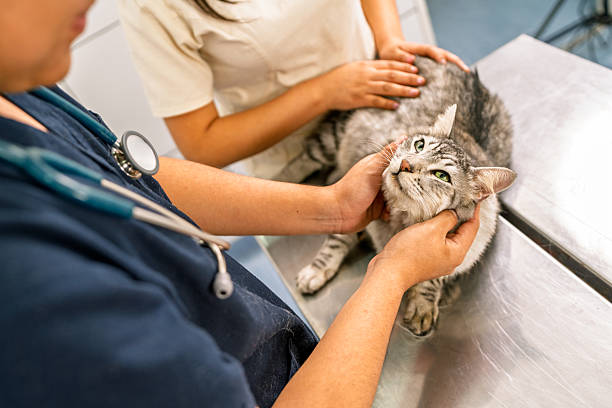
Transporting animals in Nigeria requires more than getting them from one location to another. The way animals are handled before loading, during the journey and after arrival can affect their health, safety and overall welfare.
Animal welfare transport Nigeria is particularly important for farmers, livestock traders, breeders, ranchers, pet owners and businesses moving animals between farms, markets, abattoirs and other destinations.
Good planning helps reduce unnecessary stress, injuries, heat exposure and delays during transportation.
Check Animals Before Transportation
Not every animal is suitable for a particular journey. Animals should be checked before loading, especially when the trip will involve several hours on the road.
Animals that are sick, seriously injured, weak or unable to stand properly may not be fit for normal transportation. If there is uncertainty about an animal’s condition, veterinary advice should be obtained before the journey.
International animal welfare guidance recommends loading only animals that are fit to travel, with veterinary assessment where fitness is uncertain. (WOAH)
Use a Vehicle Suitable for the Animal
A livestock truck, poultry crate or pet carrier should be appropriate for the species, size and number of animals being transported.
The vehicle should provide:
• Secure containment
• Adequate ventilation
• Suitable flooring
• Protection from excessive weather exposure
• Sufficient space for the animals
• No dangerous sharp edges or projections
Ventilation is particularly important in Nigeria’s warm climate. WOAH guidance recommends ventilation capable of removing excessive heat, humidity and harmful fumes, while allowing cooling during warm or hot conditions. (WOAH)
Avoid Overcrowding
Fitting as many animals as possible into a vehicle can create serious welfare problems.
Overcrowding can restrict movement, increase heat buildup and make it harder for animals to maintain balance when the vehicle moves. The appropriate space depends on factors such as species, size, weather and journey conditions.
The number of animals should therefore be determined before loading rather than simply filling the vehicle to capacity.
Load Animals Calmly
Loading can be one of the most stressful parts of animal transportation.
Handlers should understand the behaviour of the animals they are moving and avoid unnecessary shouting, harassment or force. Suitable ramps and loading areas can also reduce the likelihood of animals slipping or becoming injured.
WOAH recommends that loading be properly planned and supervised, with animals moved quietly and without unnecessary force. (WOAH)
For Nigerian farms, having enough people available to manage loading can make a significant difference, particularly when moving cattle, sheep, goats or other animals that may react differently to unfamiliar surroundings.
Manage Heat During Nigerian Road Journeys
Heat management should be considered before the vehicle leaves.
Nigeria’s weather can create difficult conditions for animals, particularly when a vehicle is stationary in traffic. A journey that normally takes two hours can become much longer when there is congestion or an unexpected road delay.
Routes and departure times should therefore be considered carefully. The vehicle should continue to provide appropriate airflow while stationary, and unnecessary delays should be avoided.
WOAH’s current position on animal transport emphasises planning, suitable infrastructure, trained personnel and coordination between everyone involved in the journey. (WOAH)
Drive Smoothly
The driver’s behaviour can affect animal welfare throughout the journey.
Sudden braking, sharp turns and aggressive acceleration can cause animals to lose balance or collide with one another. Smooth and defensive driving is preferable, particularly when transporting larger livestock.
The driver should also understand that the animals inside the vehicle are affected by road conditions even when the vehicle itself is operating normally.
Plan Long-Distance Animal Transport
Long journeys require more preparation than short trips.
Before departure, consider:
• Expected journey duration
• Route and road conditions
• Weather conditions
• Traffic congestion
• Rest opportunities where appropriate
• Water and feeding requirements
• Veterinary or regulatory requirements
• Emergency contacts
• Receiving arrangements
WOAH recommends journey planning that considers loading, duration, itinerary, resting arrangements, space, water, feed, ventilation, weather and emergency procedures. (WOAH)
Prepare for Traffic and Emergencies
A transport plan should not assume that everything will go according to schedule.
Vehicle breakdowns, traffic congestion, severe weather and road disruptions can extend journey times. Having a contingency plan allows the person responsible for the animals to respond more quickly when something goes wrong.
This is particularly important for interstate transportation, where a delay can turn a planned journey into a significantly longer one.
Unload Animals Promptly and Carefully
Animal welfare does not end when the vehicle reaches its destination.
The receiving farm, market, abattoir, ranch or other facility should be ready before the vehicle arrives. Suitable unloading space should be available, and animals should not be left waiting inside the vehicle unnecessarily.
Handlers should continue using calm techniques during unloading. The destination should also provide suitable holding conditions, including protection from adverse weather and access to water or feed where required.
Cleaning the Transport Vehicle
Cleaning the vehicle after transporting animals is an important part of responsible animal movement.
Animal waste can create hygiene problems and contribute to disease transmission if vehicles are repeatedly used without appropriate cleaning and disinfection.
WOAH guidance recommends that facilities and transport arrangements include measures for disease prevention and that vehicles can be properly cleaned and disinfected after unloading. (WOAH)
Animal Welfare and Transport Documentation
Welfare planning should also be considered alongside veterinary and movement documentation.
For regulated livestock movements, owners may need applicable veterinary movement or loading documentation. The journey should be planned so that required inspections, documentation and control procedures do not create avoidable delays for the animals.
Keeping the paperwork ready before departure can make the transportation process more organised.
How Much Does Animal Welfare Transport Cost in Nigeria?
There is no fixed price for welfare-focused animal transportation. Costs can depend on:
• Animal species and number
• Pickup and delivery locations
• Journey distance
• Vehicle type
• Space requirements
• Loading and unloading arrangements
• Journey duration
• Special handling requirements
• Veterinary requirements
• Fuel and road expenses
A welfare-conscious transport arrangement may require a different vehicle or lower loading density than a basic transportation setup, so the full requirements should be established before requesting a price.
Arranging Animal Transport With Travo.ng
Travo.ng can help coordinate animal transportation where the requested service is available, taking into account the pickup location, destination, animal type, number of animals and journey requirements.
When arranging transportation, provide as much information as possible about the animals and route. This helps determine the appropriate vehicle and handling arrangements.
For farmers, livestock traders, breeders and animal owners, responsible transport means treating welfare as part of the journey itself rather than something considered only after the animals arrive. Proper planning, suitable vehicles, competent handling and realistic journey arrangements can help animals reach their destination safely and in better condition.
