


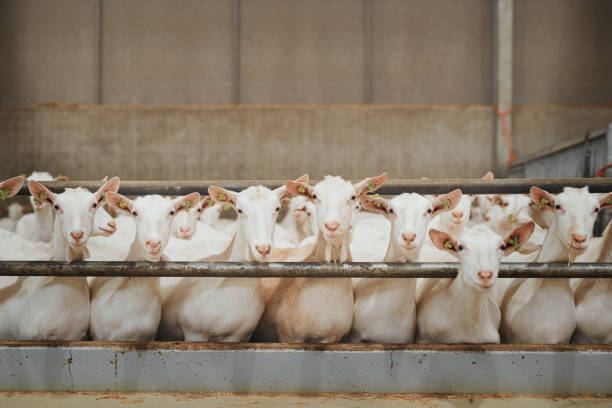
For Nigerian farmers, livestock transport is an important part of buying, selling, breeding and expanding a farm. Cattle, goats, sheep, pigs, poultry, horses and other farm animals may need to travel between farms, markets, breeding facilities and customers.
A successful livestock journey involves more than finding a truck. The animals need suitable space, ventilation, secure loading, careful handling and a route that takes Nigerian road and traffic conditions into account. Long-distance transport also requires additional planning because delays can affect animal welfare. WOAH recommends keeping journeys as short as practical and ensuring that everyone involved understands their responsibilities. (WOAH)
When Do Farmers Need Livestock Transport in Nigeria?
Farmers may require livestock transportation when:
- Buying new animals for a farm
- Selling livestock to traders or other farmers
- Moving breeding animals
- Taking animals to livestock markets
- Relocating animals to another farm
- Transporting livestock for veterinary treatment
- Expanding a farm to another state
- Delivering animals to customers
- Moving animals between breeding facilities
The appropriate vehicle depends on the type, size and number of animals being transported.
Preparing Livestock Before Transportation
Farmers should prepare the animals before the vehicle arrives. The transporter needs accurate information about the species, number of animals, approximate size or weight and destination.
Animals that are sick, injured or otherwise unfit for travel may require veterinary assessment before transportation. The condition of the animals should also be considered when planning a long-distance journey.
Prepare the loading area before the vehicle arrives. A clear, non-slip loading route can make the process easier and reduce unnecessary stress.
Choosing the Right Livestock Transport Vehicle
Different livestock require different transport arrangements.
Cattle and other large animals need vehicles with adequate strength, space, ventilation and secure loading arrangements. Goats and sheep require suitable livestock compartments, while poultry are commonly moved in appropriately ventilated crates.
The number of animals loaded should be determined before departure. Animals need enough space to maintain balance and, where appropriate, lie down without being piled on top of one another. (WOAH)
The vehicle should also be structurally sound and free from sharp fittings that could injure animals.
Loading Farm Animals Safely
Loading is one of the most important stages of livestock transport.
Animals should be moved calmly rather than being unnecessarily chased, beaten or forced into the vehicle. Loading ramps should provide secure footing and should not contain dangerous gaps or sharp edges.
WOAH guidance recommends that loading be carefully planned and supervised by competent animal handlers, with animals moved quietly and without unnecessary force. (WOAH)
Farmers should also avoid overcrowding during loading. The vehicle should be checked before departure to ensure that animals are properly contained.
Managing Heat During Livestock Transport
Nigeria’s warm climate makes ventilation particularly important.
Poor airflow, excessive heat and long stops can create difficult conditions for animals inside a vehicle. WOAH guidance recommends adequate ventilation and protection from hot conditions, while noting that journey stops should be minimised during warm weather. (WOAH)
When planning a farm-to-farm delivery, consider traffic, road conditions and the expected weather. Avoid unnecessary delays and make sure the driver understands that the cargo consists of live animals.
Interstate Livestock Transport for Nigerian Farmers
Farmers may transport animals along routes such as Lagos to Ibadan, Kano to Abuja, Kaduna to Abuja, Benin City to Lagos, or from northern livestock-producing areas to markets in southern Nigeria.
Long-distance movements should be planned before loading. Confirm the exact destination, route, receiving contact and any applicable animal-health documentation.
For regulated animal movements, farmers should establish the applicable veterinary and movement requirements before departure rather than waiting until they encounter an inspection point.
Livestock Transport for Buying and Selling Animals
Farmers buying livestock should arrange transportation before finalising collection whenever possible.
The seller should provide accurate information about the animals, while the buyer should make sure the destination farm has suitable housing and feeding arrangements ready.
For animals being sold at a market or delivered to another farmer, confirm the quantity and condition before loading. This helps prevent disagreements when the animals reach their destination.
How Much Does Livestock Transport Cost in Nigeria?
There is no single price for livestock transport in Nigeria. The cost can depend on:
- Type of livestock
- Number of animals
- Animal size and weight
- Pickup location
- Delivery destination
- Distance
- Vehicle capacity
- Loading and unloading requirements
- Journey duration
- Road conditions and traffic
- Special handling requirements
Transporting a few goats locally can therefore cost very differently from moving cattle or a large commercial livestock shipment across several states.
For an accurate quotation, provide the transporter with the livestock type, quantity, pickup location, destination and preferred travel date.
Preparing the Farm for Livestock Delivery
The receiving farm should be prepared before the animals leave the pickup location.
Clear the unloading area and prepare appropriate housing, feed and water. Make sure gates and fencing are secure so that animals cannot escape immediately after unloading.
For new livestock, it can also be useful to have a plan for separating or monitoring the animals when they first arrive, depending on the farm’s veterinary and biosecurity practices.
Arranging Livestock Transport With Travo.ng
Livestock transport requires coordination between the farmer, transporter, driver and receiving location.
Travo.ng can help coordinate suitable transportation and logistics arrangements based on the livestock type, quantity, pickup location, destination and journey requirements, subject to the availability and suitability of the requested service.
For livestock transport for farmers Nigeria, provide complete shipment details before booking, prepare the loading and receiving areas, use an appropriate vehicle, plan around Nigerian traffic and weather conditions, and confirm any applicable veterinary or movement requirements before departure.
