


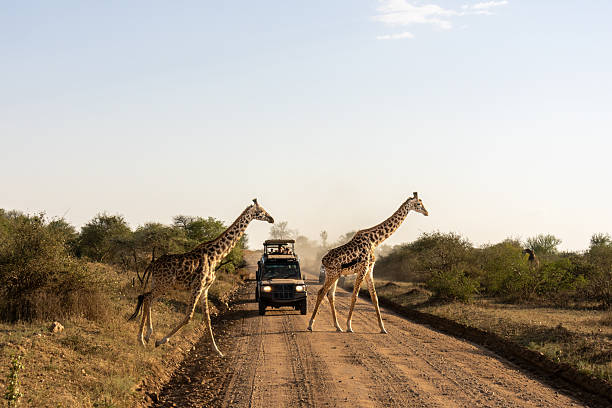
Wildlife transportation in Nigeria requires much more planning than ordinary animal delivery. Wild animals can have specialised requirements for containment, handling, temperature, ventilation and journey duration. There can also be strict legal requirements depending on the species, source, destination and purpose of the movement.
Whether wildlife is being moved between approved conservation facilities, zoos, rehabilitation centres or other authorised locations, transportation should be planned around animal welfare, security and applicable regulations.
When Is Wildlife Transport Needed in Nigeria?
Wildlife transportation may be required for legitimate purposes such as:
- Moving animals between approved wildlife facilities
- Relocating animals for conservation programmes
- Transporting animals for veterinary treatment
- Moving animals between approved zoos
- Transferring captive-bred wildlife
- Relocating animals during facility renovations
- Moving rescued animals to appropriate rehabilitation facilities
The transport requirements can vary significantly between species. A reptile, bird, primate and large mammal will not necessarily require the same vehicle or containment system.
Preparing Wildlife Before Transportation
Preparation should begin before the vehicle arrives. The animal’s species, size, condition and behaviour should be considered when selecting its transport container and handling arrangements.
Containers should be secure, appropriately ventilated and strong enough for the animal being moved. They should also be positioned securely inside the vehicle so that they cannot shift during braking, turning or movement over uneven roads.
Wild animals should only be handled by appropriately trained personnel. The transporter should receive accurate information about the animal before collection.
Choosing a Suitable Vehicle for Wildlife Transport
The vehicle should be suitable for the size and requirements of the animals being transported.
Depending on the shipment, important considerations can include:
- Adequate load capacity
- Secure mounting of transport crates
- Appropriate ventilation
- Protection from excessive heat
- Sufficient space for handlers
- Route accessibility
- Emergency planning
- Reliable communication during the journey
Large wildlife may require purpose-built transport arrangements rather than an ordinary delivery van.
Managing Heat and Ventilation During Wildlife Transport
Nigeria’s warm climate makes environmental conditions an important consideration during wildlife transportation.
Direct sunlight, poor airflow and long traffic delays can affect animals inside transport containers. The route and expected journey duration should therefore be considered before departure.
The appropriate temperature and ventilation requirements depend on the species. Transport planning should be based on the animal’s needs rather than assuming that one method is suitable for every type of wildlife.
Wildlife Transport Between Nigerian States
Wildlife may need to move between approved facilities in Lagos, Abuja, Ibadan, Benin City, Enugu, Port Harcourt and other Nigerian locations.
Long-distance movement requires detailed route planning. Traffic, road conditions, weather and possible delays should be considered before departure.
The receiving facility should also confirm that it is ready to accept the animals before the shipment leaves the original location. This reduces unnecessary waiting after arrival.
Legal Requirements for Wildlife Transport in Nigeria
Wildlife transportation should not be treated like ordinary livestock or parcel delivery. The legal status of the species and the purpose of the movement should be established before transportation is arranged.
Nigeria is a party to CITES, and Nigeria Agricultural Quarantine Service states that CITES export permits from the Federal Ministry of Environment are required for wildlife and endangered species in relevant international animal movements. NAQS also carries out inspection and quarantine functions for regulated animal movements. (National Agricultural Quarantine Service)
Nigeria’s environmental authorities also continue to enforce restrictions concerning endangered wildlife. In March 2026, NESREA warned that possession, display and trade involving specimens of species protected under applicable wildlife legislation are prohibited. (NESREA)
For international movements, permits and veterinary or quarantine documentation may therefore be required before an animal can legally leave or enter Nigeria.
Wildlife Transport for Zoos and Conservation Facilities
Zoos, conservation organisations, rehabilitation centres and other approved facilities may require wildlife transportation for veterinary care, breeding programmes, conservation work or facility management.
These movements require coordination between the sending and receiving organisations. Appropriate accommodation, trained personnel and handling equipment should be ready before the animal arrives.
For endangered or protected species, the relevant authorities and documentation should be confirmed before any movement is arranged.
How Much Does Wildlife Transport Cost in Nigeria?
There is no fixed price for wildlife transport in Nigeria. The cost can depend on:
- Animal species
- Animal size and weight
- Number of animals
- Pickup location
- Destination
- Distance
- Transport crate requirements
- Vehicle type
- Journey duration
- Traffic and road conditions
- Specialist handling requirements
- Veterinary or regulatory requirements
Transporting a small legally held reptile between nearby facilities can have completely different requirements from moving a large mammal across several states.
For an accurate quotation, provide the transport provider with the species, number of animals, approximate size, pickup location, destination and preferred travel date.
Preparing the Receiving Wildlife Facility
The receiving location should be ready before transportation begins.
Appropriate housing, food, water, environmental conditions and trained personnel should be available according to the species. The transfer from the transport container into the animal’s new enclosure should also be planned in advance.
This is particularly important for large, dangerous, stressed or environmentally sensitive animals.
Arranging Wildlife Transport With Travo.ng
Wildlife transportation requires specialist planning because it involves live animals, secure containment and potentially significant regulatory requirements.
Travo.ng can help coordinate suitable transportation and logistics arrangements based on the animal type, pickup location, destination, quantity and journey requirements, subject to the availability and suitability of the requested service.
For wildlife transport Nigeria, establish the animal’s legal status first, confirm any required permits or veterinary documentation, use species-appropriate containment, plan around Nigerian traffic and weather conditions, and ensure the receiving facility is ready before departure.
