


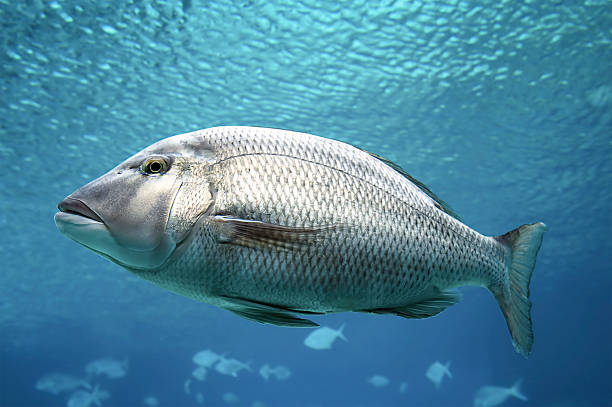
Tilapia transport in Nigeria requires careful planning because live fish are sensitive to changes in water quality, oxygen, temperature, stocking density and handling. Farmers may need to move tilapia fingerlings, juveniles, broodstock or mature fish between hatcheries, farms, markets and customers.
A suitable transport method can help reduce stress and losses, particularly when fish are travelling long distances or between different Nigerian states.
When Do You Need Tilapia Transport in Nigeria?
Tilapia transportation may be needed when:
- Moving fingerlings from a hatchery to a fish farm
- Buying tilapia for pond stocking
- Moving broodstock between farms
- Delivering live tilapia to customers
- Relocating fish during farm expansion
- Supplying fish to another aquaculture business
- Moving tilapia between Nigerian states
The transportation requirements depend on the fish size, quantity, journey distance and expected travel time.
Preparing Tilapia Before Transport
Preparation should begin before the vehicle arrives. The farmer should confirm the number of fish, approximate size, pickup location, destination and expected journey duration.
Fish should be handled carefully during harvesting and packing. Feeding is also commonly stopped before transportation to reduce waste production and help maintain water quality during the journey.
For live fish, the transport system needs to provide appropriate oxygen and water conditions throughout the trip. FAO identifies species, developmental stage, transport time, temperature, oxygen and metabolic waste as important factors in live fish transportation. (FAOHome)
Using Oxygenated Bags for Tilapia Transport
Oxygenated plastic bags can be suitable for transporting tilapia fingerlings and other smaller fish. The fish are placed in suitable water before oxygen is added and the bags are securely sealed.
The number of fish per bag should not simply be based on how many can physically fit inside. Fish size, water temperature, oxygen availability and journey duration all affect the appropriate loading density.
A study of tilapia broodstock transportation in Nigeria used oxygenated nylon bags and examined different stocking densities and temperatures during a three-hour road journey. The results illustrate why stocking density and temperature need to be considered when planning live tilapia transportation. (FAO AGRIS)
Using Tanks for Larger Tilapia Deliveries
Larger quantities of tilapia or bigger fish may require transport tanks rather than individual bags. Depending on the journey, tanks can be fitted with aeration or oxygen systems.
The tank should be clean, secure and suitable for the size and quantity of fish being transported. Overcrowding should be avoided because fish consume oxygen and produce waste during transportation.
For longer journeys, the transport system should be selected according to the expected travel time rather than simply the distance between the two locations.
Managing Oxygen and Water Quality
Oxygen management is one of the most important parts of live tilapia transport. As fish remain inside a container, oxygen is consumed while carbon dioxide and other waste products accumulate.
Temperature also affects transportation conditions. Higher temperatures can increase fish oxygen requirements, making proper planning particularly important in Nigeria’s warm climate. (FAOHome)
For this reason, transporters should avoid unnecessary delays and use a system capable of maintaining appropriate conditions for the entire journey.
Transporting Tilapia Fingerlings
Tilapia fingerlings are commonly moved from hatcheries to farms for pond stocking. Because they are small and relatively delicate, they need careful handling during harvesting, counting, packing and transportation.
Oxygenated bags can be useful for suitable journeys, while larger consignments may require tanks or multiple containers.
The receiving farmer should prepare the pond or tank before the fingerlings leave the hatchery. When they arrive, the fish should be acclimatised appropriately rather than being transferred abruptly into water with significantly different conditions. (FAOHome)
Tilapia Transport in Nigeria’s Hot Weather
Nigeria’s warm climate makes temperature management an important consideration when transporting live tilapia.
Where practical, journeys can be scheduled during cooler parts of the day. The transport containers should also be protected from excessive direct heat while maintaining adequate ventilation around the transport system.
Traffic is another consideration. A journey around Lagos or another major Nigerian city can take much longer than expected during peak periods, so route conditions and possible delays should be considered before departure.
Transporting Tilapia Between Nigerian States
Interstate tilapia transport requires additional planning because journeys can involve long road distances, traffic congestion and unexpected delays.
For example, a hatchery may need to deliver fingerlings from Ogun to Lagos, while a commercial fish farm may move broodstock or juvenile tilapia from one region to another.
The sender should provide accurate pickup and delivery details and communicate the expected journey time to the transporter.
The receiving farm should also be ready before the fish leave, reducing the amount of time the fish spend waiting after reaching their destination.
How Much Does Tilapia Transport Cost in Nigeria?
There is no single price for tilapia transportation across Nigeria. Costs depend on the specific journey and transport requirements.
Factors that can affect the price include:
- Number of fish
- Fish size and weight
- Distance
- Type of transport container
- Oxygen or aeration requirements
- Vehicle type
- Fuel costs
- Road conditions
- Journey duration
- Loading and unloading requirements
Moving a small quantity of fingerlings locally will have different requirements from transporting a large number of mature tilapia between distant states.
Preparing the Farm for Tilapia Delivery
The receiving farm should have the appropriate pond, tank or holding facility ready before the fish arrive.
Water conditions should be suitable for the fish, and staff should be available to supervise unloading and acclimatisation.
Clear directions and a reachable contact person at the destination can also help prevent unnecessary delays, especially when the farm is located away from major roads.
Tilapia Transport for Fish Farmers and Hatcheries
Hatcheries, fish farmers and aquaculture businesses may require tilapia transportation regularly. Providing complete information before each journey makes it easier to organise the appropriate transport arrangement.
Useful information includes the species, number of fish, approximate size, pickup location, destination and preferred delivery date.
For long-distance transportation, early planning gives more time to arrange suitable containers, oxygen requirements, route planning and receiving facilities.
Arranging Tilapia Transport With Travo.ng
If you need tilapia transport in Nigeria, Travo.ng can help coordinate the logistics around your transportation request where the required service is available.
Fish farmers, hatcheries, breeders and aquaculture businesses can provide details about the tilapia, quantity, pickup point and destination so the transportation requirements can be properly assessed.
For interstate and long-distance tilapia transport, careful planning is particularly important. Appropriate stocking levels, oxygen management, temperature considerations, suitable containers and route coordination can help make live fish delivery safer and more reliable.
