


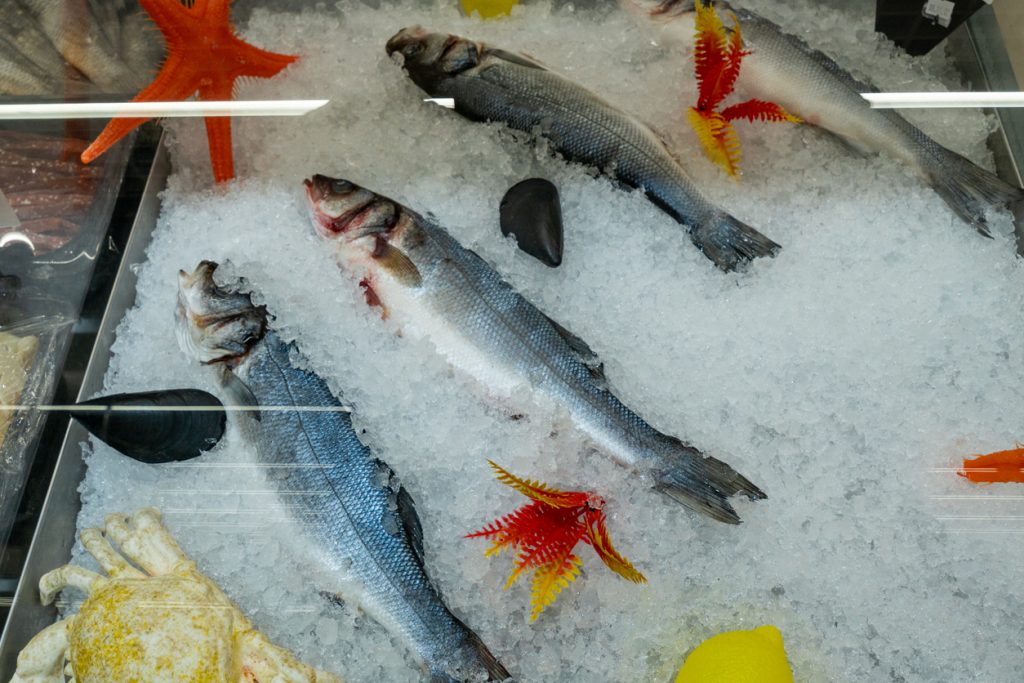
Transporting fish in Nigeria requires careful handling because fish can be affected quickly by temperature, water quality, oxygen levels, overcrowding and journey time. Whether you are moving live fish from a hatchery to a farm or delivering harvested fish to a market, the transportation method needs to match the type of fish and the distance involved.
For fish farmers, traders, restaurants and seafood businesses, properly organised transportation can help reduce losses and ensure fish reach their destination in good condition.
What Type of Fish Are You Transporting?
The first step is to determine whether you are transporting live fish or harvested fish.
Live fish such as catfish and tilapia require water, oxygen and suitable containers throughout the journey. Harvested fish require a different approach, usually involving chilled or frozen handling to maintain quality.
The size and age of the fish also matter. Fingerlings, juveniles, broodstock and mature fish can have different transportation requirements.
Transporting Live Fish in Nigeria
Live fish are commonly moved between hatcheries, fish farms, ponds and customers. Depending on the quantity and journey length, farmers may use oxygenated bags, insulated containers, tanks or specialised fish transport systems.
Clean water is essential. The water should be suitable for the particular species and should not introduce contaminants that could harm the fish. FAO guidance recommends clean, hygienic transport systems and adequate aeration for live fish transportation. (FAOHome)
The number of fish placed in each container should also be controlled. Overcrowding can reduce water quality and oxygen availability during transportation.
Transporting Catfish and Tilapia
Catfish and tilapia are among the fish commonly farmed in Nigeria, and both may need transportation between farms and hatcheries.
For shorter journeys, appropriately prepared containers may be sufficient. Longer journeys require more careful control of oxygen, temperature, stocking density and water quality.
Research involving tilapia broodstock in Nigeria has demonstrated the use of oxygenated nylon bags and containers for road transportation, showing how packaging and oxygen management can be incorporated into fish movement. (FAO AGRIS)
The correct method depends on the species, fish size, quantity and journey duration rather than simply using one method for every delivery.
Preparing Fish Before Transportation
Preparation should start before the vehicle arrives. Farmers should know the number of fish being transported, their approximate size, the destination and the expected journey duration.
For live fish, feeding is generally stopped before transportation to reduce waste accumulation in the water. FAO guidance notes that fish should generally not be fed during storage and transportation and recommends withholding feed before transport. (FAOHome)
The fish should also be checked before loading. Sick, damaged or dead fish should not be placed into transport containers.
Choosing the Right Fish Transport Vehicle
The vehicle depends on the type of fish being moved.
For live fish, a vehicle may need to carry sealed oxygenated containers or dedicated water tanks. The containers must be stable enough to prevent excessive movement and leakage during the journey.
For harvested fish, refrigerated or insulated transportation may be more appropriate depending on whether the fish are fresh or frozen.
The vehicle should also be clean and should not carry materials that could contaminate fish intended for human consumption.
Oxygen and Water Quality During Fish Transport
Oxygen management is one of the most important parts of live fish transportation. Fish consume oxygen while travelling, while waste products can accumulate in the water.
Higher water temperatures can increase fish oxygen requirements, making temperature management particularly important in Nigeria’s warm climate. FAO guidance identifies species, fish size, transport duration, temperature, oxygen and fish metabolism as important factors in live fish transportation. (FAOHome)
For longer journeys, transport arrangements should therefore be planned around the expected travel time rather than simply the distance on a map.
Moving Fish Between Nigerian States
Interstate fish transportation can involve significant road distances and unpredictable traffic. A journey from a fish farm in Ogun State to Lagos is very different from transporting fish from a northern farming area to a customer in the South.
Before departure, the farmer or business should confirm the destination, route, packaging method and any applicable movement or health requirements.
The receiving location should also be ready before the fish leave the farm. This is especially important for live fish because unnecessary waiting can increase stress and affect water quality.
Transporting Fish Fingerlings
Fish fingerlings require particular care because of their small size and sensitivity to handling and water conditions.
They are commonly transported in oxygenated bags or suitable containers, with the quantity adjusted according to the species, size, water temperature and journey duration.
The containers should be securely sealed and protected from excessive heat. The receiving farmer should also prepare the pond or tank before the fingerlings arrive so they can be acclimatised properly.
How Much Does Fish Transport Cost in Nigeria?
Fish transportation costs vary depending on the type and quantity of fish, distance and transportation method.
Important cost factors include:
- Number and size of fish
- Live or harvested fish
- Type of packaging or transport tank
- Oxygen requirements
- Distance
- Fuel costs
- Road conditions
- Vehicle requirements
- Journey duration
- Loading and unloading arrangements
Transporting a few bags of fish locally will have different requirements from moving thousands of fingerlings or live fish across several states.
Preparing Fish for Delivery
The destination should be prepared before the vehicle arrives. For live fish, this may mean having a clean tank, pond or holding facility ready for acclimatisation.
For harvested fish, the receiving business should have suitable cold storage or processing arrangements where required.
Clear communication between the sender, transporter and receiver helps reduce waiting time and makes it easier to respond to unexpected traffic or route delays.
Arranging Fish Transport With Travo.ng
If you need to transport fish in Nigeria, Travo.ng can help coordinate the logistics around your transportation request where the required service is available.
Farmers, hatcheries, fish traders, restaurants and aquaculture businesses can provide the pickup location, destination, fish type, quantity and preferred delivery date so the transportation requirements can be assessed properly.
For long-distance fish transportation, early planning is especially important. Choosing suitable containers, managing oxygen and water conditions, preparing the route and coordinating the receiving location can make the journey more reliable and reduce avoidable losses.
