


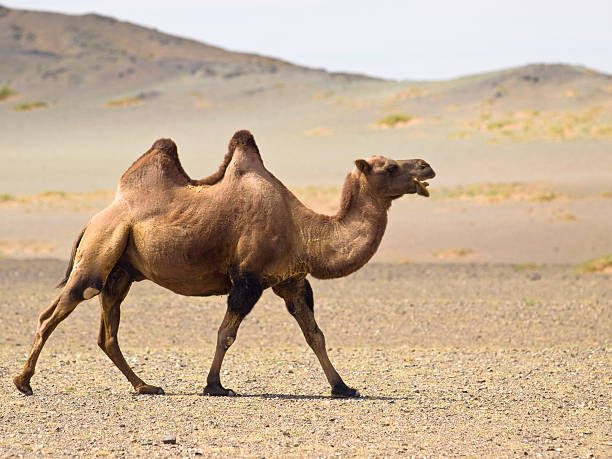
Camel transport in Nigeria requires proper livestock handling and a vehicle suitable for moving large animals. Whether you are relocating a camel between farms, delivering a newly purchased animal, moving camels for agricultural purposes or transporting them to another state, the journey should be planned around the animal’s safety.
The number of camels, their size, the distance and the condition of the roads can all affect the transportation arrangement.
When Do You Need Camel Transport in Nigeria?
Camel transportation may be required for different livestock and agricultural activities. Common situations include:
• Moving camels between farms
• Delivering purchased camels to a new owner
• Relocating camels to another property
• Transporting camels for breeding purposes
• Moving camels between Nigerian states
• Delivering camels to livestock facilities
• Transporting camels for organised events or exhibitions
Before arranging transport, confirm the number of camels, their approximate sizes, pickup location and final destination.
Preparing a Camel Before Transportation
The camel should be checked before the journey to make sure it is fit to travel. If the animal is sick, injured or otherwise unsuitable for transportation, veterinary advice should be obtained before loading.
The handlers should also know how to work safely around camels. Loading unfamiliar animals can take time, so the process should not be rushed.
The receiving location should be prepared before the camel leaves. There should be sufficient space for unloading and a secure area where the animal can settle after arrival.
Choosing a Suitable Camel Transport Vehicle
A suitable livestock vehicle should have enough space for the camel, secure sides and doors, adequate ventilation and flooring that reduces the risk of slipping.
Because camels are large animals, the vehicle must also provide sufficient height and internal clearance. Loading access should be appropriate for the animal and the vehicle should be checked for sharp edges or damaged surfaces before departure.
Good ventilation is especially important during journeys in hot weather. International animal-welfare guidance identifies overcrowding, extreme weather and poor handling as risks that can contribute to injuries and other welfare problems during transportation. (WOAH)
Loading and Unloading Camels
Loading should be carried out by experienced handlers using an appropriate loading area or ramp. The process should be calm and controlled to reduce unnecessary stress.
The vehicle should be positioned on suitable ground where possible, with enough space around it for handlers to work safely.
At the destination, unloading should also be planned in advance. The receiving area should be clear and secure so the camel can leave the vehicle without unnecessary delay.
Long-Distance Camel Transport in Nigeria
Long-distance camel transportation requires more planning than a short local movement. Routes should be considered in advance, including road conditions, traffic, weather and expected travel time.
For journeys across several Nigerian states, the transporter should also consider where delays could occur and how the animals will be managed if the journey takes longer than expected.
The World Organisation for Animal Health recommends planning animal journeys carefully and ensuring clear responsibilities between owners, transporters, handlers and veterinary authorities. (WOAH)
Interstate Camel Transport Requirements
Moving camels between Nigerian states may involve veterinary and livestock movement requirements. Before departure, confirm the documentation and inspection requirements that apply to the specific movement.
Nigeria’s Agricultural Quarantine Service has responsibility for animal health inspection and the inspection of trade animals at designated quarantine control posts. The NAQS Act also provides for inspection and disease surveillance of trade animals at interstate veterinary control posts, with veterinary movement and loading permits referenced for such movements. (National Agricultural Quarantine Service)
This makes it important to establish the applicable requirements before the animals are loaded.
Camel Transport From Northern Nigeria
Some camel movements may involve long-distance routes from northern parts of Nigeria to other regions. These journeys require particular attention to distance, weather, road conditions and delivery arrangements.
If the destination is a farm or livestock facility outside a major city, confirm that the access road can accommodate the transport vehicle. Narrow roads, poor surfaces or difficult entrances can complicate unloading.
The receiving owner should also be available when the camels arrive so they do not remain in the transport vehicle unnecessarily.
How Much Does Camel Transport Cost in Nigeria?
Camel transport costs vary according to the specific journey. There is no single price that applies to every camel movement.
The main factors can include:
• Pickup and delivery distance
• Number of camels
• Size and condition of the animals
• Type and capacity of the livestock vehicle
• Fuel and operating expenses
• Road and route conditions
• Loading and unloading requirements
• Handling arrangements
• Veterinary or movement requirements
• Urgency of the delivery
Transporting one camel over a short distance will have different costs from moving several camels across multiple states.
For an accurate quotation, provide the pickup location, destination, number of camels and preferred transportation date.
Camel Transport for Farms and Livestock Owners
Farmers, livestock traders and animal owners may need camel transportation when purchasing animals from another location or transferring them between properties.
If several camels are travelling together, the vehicle should provide appropriate space and the animals should be loaded in a way that avoids unnecessary overcrowding.
The transportation plan should also account for the animals’ condition throughout the journey rather than focusing only on getting them to the destination as quickly as possible.
Arranging Camel Transport With Travo.ng
If you need camel transport in Nigeria, Travo.ng can help coordinate the transportation logistics where the appropriate specialist livestock service is available.
When making an enquiry, provide the camel’s current location, destination, number of animals, preferred date and any special handling requirements. Mention if the journey is interstate or particularly long.
Whether you are moving one camel between farms or arranging transportation for several animals, proper preparation can make the journey more organised and help reduce avoidable delays and handling problems.
