


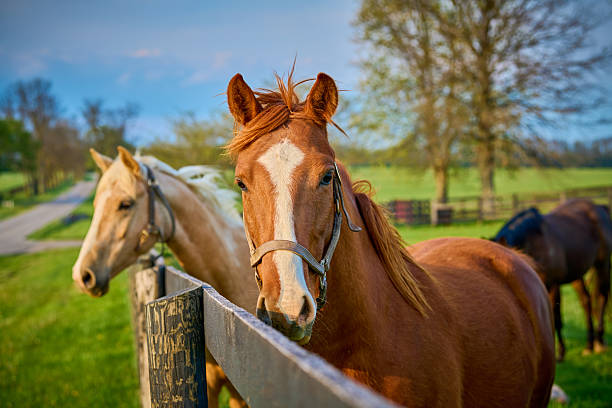
Equine transport in Nigeria involves moving horses safely between farms, stables, private properties, breeding facilities, competition venues and other destinations. Because horses are sensitive and large animals, their transportation requires more planning than ordinary cargo delivery.
Whether you are moving one horse within a city or arranging a longer journey between Nigerian states, the vehicle, route, loading process and condition of the horse all need to be considered.
What Is Equine Transport Used For?
Equine transport covers different types of horse movements. Owners, breeders, farms and equestrian businesses may need transportation when:
• Relocating a horse to a new stable
• Moving horses between farms
• Delivering a newly purchased horse
• Transporting horses for breeding
• Taking horses to competitions or events
• Moving horses between Nigerian states
• Arranging specialist horse transportation for longer journeys
The transportation requirements can vary depending on the horse, distance and purpose of the journey.
Preparing a Horse for Transportation
Before transportation begins, the horse should be assessed to determine whether it is fit for the journey. Horses that are sick, injured, weak or otherwise unsuitable for travel may require veterinary assessment before being transported.
The horse’s previous experience with trailers or transport vehicles should also be considered. An inexperienced horse may require additional preparation and competent handling during loading.
The destination should be ready before the horse arrives, with appropriate space, water and shelter available for unloading and settling.
Choosing a Suitable Equine Transport Vehicle
A suitable vehicle should be designed or appropriately equipped for transporting horses. Important considerations include adequate ventilation, secure flooring, sufficient headroom, safe doors and appropriate loading access.
The vehicle should also protect the horse from excessive weather exposure. This is particularly relevant for journeys in Nigeria’s hot climate.
International animal transport standards recommend that vehicles be appropriate for the species and journey, provide adequate ventilation and minimise risks of slipping, injury and exposure to extreme weather. (WOAH)
Loading and Unloading Horses Safely
Loading can be one of the more challenging parts of equine transportation, especially when a horse is unfamiliar with the vehicle.
The loading area should provide safe footing and a suitable ramp. Horses should be handled calmly and by people with appropriate experience rather than being rushed into the vehicle.
The same care should be used when unloading. The receiving location should have enough space for the horse to leave the vehicle safely and be moved to its prepared holding area.
Equine Transport Between Nigerian States
Interstate horse transportation can involve long road journeys and additional veterinary or movement requirements.
For example, moving horses from Lagos to Abuja or from Ibadan to another state requires planning around traffic, road conditions, journey duration and possible inspection points.
Nigeria’s Agricultural Quarantine Service legislation provides for inspection and disease surveillance of trade animals at interstate veterinary control posts, with veterinary movement and loading permits referenced for trade animals at those posts. (National Agricultural Quarantine Service)
Owners should therefore confirm the requirements that apply to their particular movement before the journey begins.
Managing Long-Distance Equine Transport
Long-distance transportation requires more than simply calculating driving distance. The journey plan should consider weather, road conditions, rest arrangements, water and feed requirements, vehicle condition and the ability to monitor the horse during the trip.
WOAH recommends keeping journey time to a minimum and says transport companies should plan the route, journey duration, loading arrangements, rest locations and contingency procedures. (WOAH)
For Nigerian routes, traffic delays should also be considered when deciding pickup and delivery times.
Equine Transport for Breeders and Farms
Breeders may require horse transportation when moving animals between breeding facilities or delivering horses to buyers. Farms may also need equine transport when transferring horses between different properties.
When multiple horses are being transported, their size, temperament and compatibility should be considered when planning the vehicle and internal arrangements.
The receiving farm or stable should be prepared before the horses arrive to avoid unnecessary waiting after a long journey.
How Much Does Equine Transport Cost in Nigeria?
The cost of equine transport varies depending on the requirements of the journey.
Factors that can affect the price include:
• Pickup and delivery distance
• Number of horses
• Horse size and handling requirements
• Vehicle type
• Fuel and operating costs
• Route and road conditions
• Loading and unloading arrangements
• Veterinary requirements
• Interstate documentation
• Special handling needs
Moving one horse over a short distance will have different costs from transporting several horses across multiple Nigerian states.
For an accurate quotation, provide the exact pickup location, destination, number of horses and preferred transportation date.
Preparing for the Horse’s Arrival
Before the journey begins, confirm who will receive the horse at the destination. The stable, farm or property should have suitable space ready for unloading.
It is also useful to provide the transporter with clear directions and information about access to the property. Rural destinations may have narrow roads or entrances that are unsuitable for larger horse transport vehicles.
Good coordination can prevent the horse from being left waiting after completing a long journey.
Arranging Equine Transport With Travo.ng
If you need equine transport in Nigeria, Travo.ng can help coordinate transportation logistics where the appropriate specialist service is available.
When making an enquiry, provide the horse’s current location, destination, number of horses, preferred date and any special handling requirements. Mention if the journey is interstate or involves a particularly long route.
Whether you are relocating a horse, moving animals between farms, delivering a newly purchased horse or transporting horses to an event, proper planning can make the journey more organised and manageable.
