


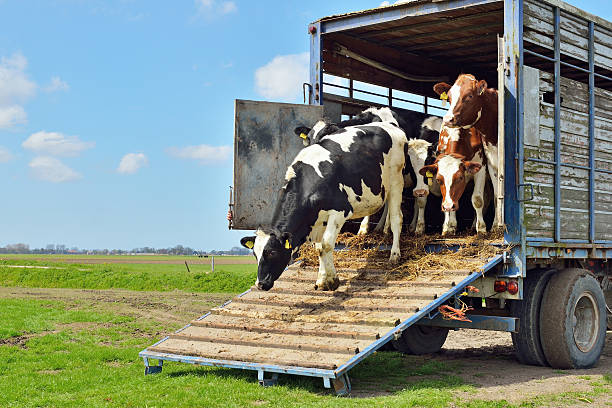
Animal freight in Nigeria involves the organised transportation of live animals between farms, homes, livestock markets, breeding facilities, businesses and other destinations. Unlike ordinary cargo, animals require suitable handling, secure transportation, adequate ventilation and careful journey planning.
Animal freight can be used for pets, livestock and other animals that need to be moved within Nigeria or prepared for international transportation.
How Animal Freight Works in Nigeria
An animal freight arrangement starts with identifying the type and number of animals being moved. The pickup and delivery locations, travel date, distance and specific handling requirements are then considered when planning transportation.
Dogs, cats, cattle, goats, sheep, horses and birds can have very different transportation needs. The vehicle and handling method should therefore be appropriate for the particular animals being transported.
Livestock Freight Across Nigeria
Farmers and livestock traders may need animal freight services when moving cattle, goats and sheep between farms, ranches, livestock markets and other commercial locations.
Interstate transportation requires particular attention to veterinary requirements. NAQS states that trade animals are inspected at designated quarantine control posts and that trade animals are subject to veterinary movement and loading permit requirements. (National Agricultural Quarantine Service)
Planning the paperwork before loading can help reduce avoidable delays during the journey.
Pet Freight in Nigeria
Pet owners may need animal freight when relocating to another Nigerian city, purchasing a pet from another state or sending an animal to a family member.
Dogs and cats should be transported in secure arrangements suitable for their size and condition. Owners should provide information about the pet’s health, temperament, feeding requirements and any medication or special handling needs before transportation begins.
Long-Distance Animal Freight
Long-distance animal freight requires more planning than short local transportation. Traffic, road conditions, weather and unexpected delays can extend the journey.
The transportation plan should consider the animal’s welfare throughout the trip. This includes suitable loading arrangements, ventilation and appropriate handling during the journey.
Preparing Animals for Freight
Before arranging transportation, provide details such as:
- Type of animal
- Number of animals
- Breed or species
- Approximate size and weight
- Pickup location
- Delivery location
- Preferred travel date
- Health condition
- Feeding or medication requirements
- Veterinary documents
- Special handling instructions
Accurate information allows the logistics provider to understand the requirements before the animal is collected.
International Animal Freight From Nigeria
International animal freight involves additional regulatory preparation. NAQS carries out health inspections for imported and exported live animals, including dogs, cattle, cats, horses, sheep, goats and pet birds. (National Agricultural Quarantine Service)
For animal exports, NAQS lists requirements that can include an export permit, declaration for inspection, quarantine, laboratory analysis and certification. The exact requirements depend on the animal, destination and applicable regulations. (National Agricultural Quarantine Service)
Pet owners and businesses should therefore begin international arrangements well before the planned departure date.
Common Animal Freight Problems
Poor planning can lead to unsuitable transportation, incomplete documentation, delays or confusion over collection and delivery arrangements.
Another problem is failing to provide accurate information about the animal. A transporter needs to know the number, size and type of animals before determining an appropriate transportation arrangement.
How Travo.ng Can Help With Animal Freight Nigeria
Travo.ng can help coordinate logistics requirements for animal movements by considering the type of animal, quantity, pickup location, destination and preferred travel schedule.
For interstate or international animal freight, early coordination can also help customers organise the transportation details and identify documentation that may need to be prepared before the journey.
Planning Animal Freight in Nigeria
Successful animal freight starts with preparation. Confirm the collection and delivery points, transportation requirements, animal condition and relevant documentation before the journey begins.
For interstate livestock movements or international transportation, check the applicable veterinary and quarantine requirements in advance. Proper planning helps make the movement more organised and reduces avoidable delays.
