


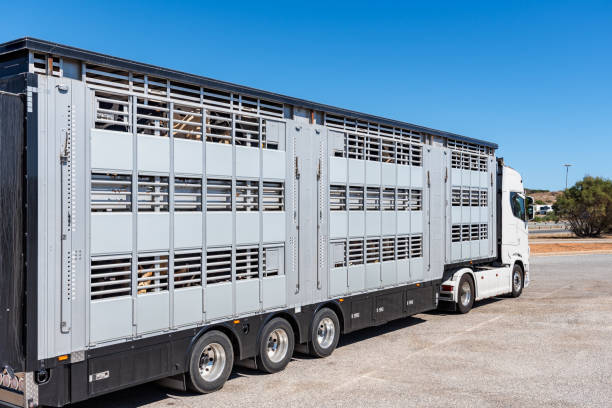
Livestock trucking in Nigeria involves transporting cattle, goats, sheep, pigs and other farm animals by road between farms, markets, ranches, breeding centres and other destinations. Because animals are living cargo, the journey requires suitable vehicles, proper loading, careful handling and route planning.
For farmers, livestock traders and agribusinesses, reliable trucking can make it easier to move animals between northern livestock-producing areas and major markets or farms in other parts of the country.
How Livestock Trucking Works in Nigeria
A livestock trucking arrangement normally begins by identifying the animals, pickup location, destination and preferred travel date. The transporter can then determine the appropriate vehicle and loading arrangement based on the number and size of animals.
Routes should also account for road conditions, traffic, security considerations and the expected duration of the journey. Long-distance movement requires more planning because delays can affect the condition and welfare of the animals.
Cattle Trucking in Nigeria
Cattle are commonly transported by road for trading, breeding, slaughter and relocation between farms or ranches. The number of cattle being moved determines the type and capacity of truck required.
Loading should be organised to avoid overcrowding and unnecessary stress. Animals should also be checked before departure so that those that are unfit for travel can be identified before the journey begins.
Goat and Sheep Trucking
Goats and sheep are also frequently moved between farms, livestock markets and customers across Nigerian states. Their smaller size does not eliminate the need for suitable transportation.
The transporter should consider the number of animals, ventilation, loading conditions and journey duration. For commercial movements, the sender should also prepare any documentation required for the route.
Interstate Livestock Transportation
Moving livestock between Nigerian states requires attention to veterinary and regulatory requirements. NAQS states that trade animals are inspected at interstate veterinary control posts and should be accompanied by veterinary movement and loading permits. (National Agricultural Quarantine Service)
This means livestock traders should not treat interstate trucking like ordinary cargo delivery. Documentation should be confirmed before loading to reduce the risk of delays at control points.
Long-Distance Livestock Trucking
Long-distance livestock trucking may involve journeys lasting many hours, making route planning particularly important. Transporters should consider suitable stopping arrangements, road conditions, weather and the condition of the animals throughout the journey.
Nigeria’s Federal Ministry of Livestock Development has also highlighted safer and more efficient livestock transportation as an area requiring stakeholder attention, including road safety and highway-related challenges. (FMLD)
What to Prepare Before Livestock Trucking
Before arranging transportation, provide the transporter with:
- Type of livestock
- Number of animals
- Approximate size and weight
- Pickup location
- Delivery location
- Preferred travel date
- Purpose of transportation
- Veterinary documentation
- Special handling requirements
- Contact details for the sender and receiver
Having these details ready makes it easier to select an appropriate truck and plan the journey.
Common Livestock Trucking Problems
Poor loading practices, unsuitable vehicles, traffic delays, incomplete documentation and poorly planned routes can complicate livestock transportation.
Another problem is failing to communicate the exact number or type of animals before booking. A truck suitable for a small consignment may not be appropriate for a larger movement.
Planning the route and documentation before the animals are loaded can help reduce unnecessary delays.
Livestock Trucking for Farms and Businesses
Commercial farms may need regular trucking support when moving animals between production locations, breeding facilities and markets. Livestock traders may also require transportation when purchasing animals from one state and selling them in another.
For these businesses, having a logistics arrangement that can be repeated when needed can make livestock movement easier to coordinate.
How Travo.ng Can Help With Livestock Trucking Nigeria
Travo.ng can help coordinate logistics requirements for livestock movements by considering the pickup location, destination, type of animals, quantity and preferred travel schedule.
Whether livestock is being moved between farms, markets or different Nigerian states, early coordination can help identify suitable transportation arrangements and allow the required journey details to be prepared before departure.
Planning Livestock Trucking in Nigeria
Successful livestock trucking starts before the animals are loaded. Confirm the truck requirements, route, collection and delivery points, documentation and handling arrangements in advance.
For interstate movements, verify the applicable veterinary requirements before departure. Proper preparation can reduce avoidable delays and help make the journey more organised for the livestock, transporter and receiver.
