


Updated 28 September 2026 · Travo.ng
Quick answer
You can ship from Nigeria to Ghana by international express courier (DHL, FedEx through Red Star Express, UPS), by a local network with international service such as GIG Logistics, or by road freight through Benin and Togo for larger cargo. A May 2026 price guide puts GIGL’s Ghana shipments at from about ₦50,000, with West Africa deliveries taking about 5 to 10 business days. Express couriers are faster but usually cost more. For commercial goods, budget for export paperwork and Ghanaian import duties as well as freight.
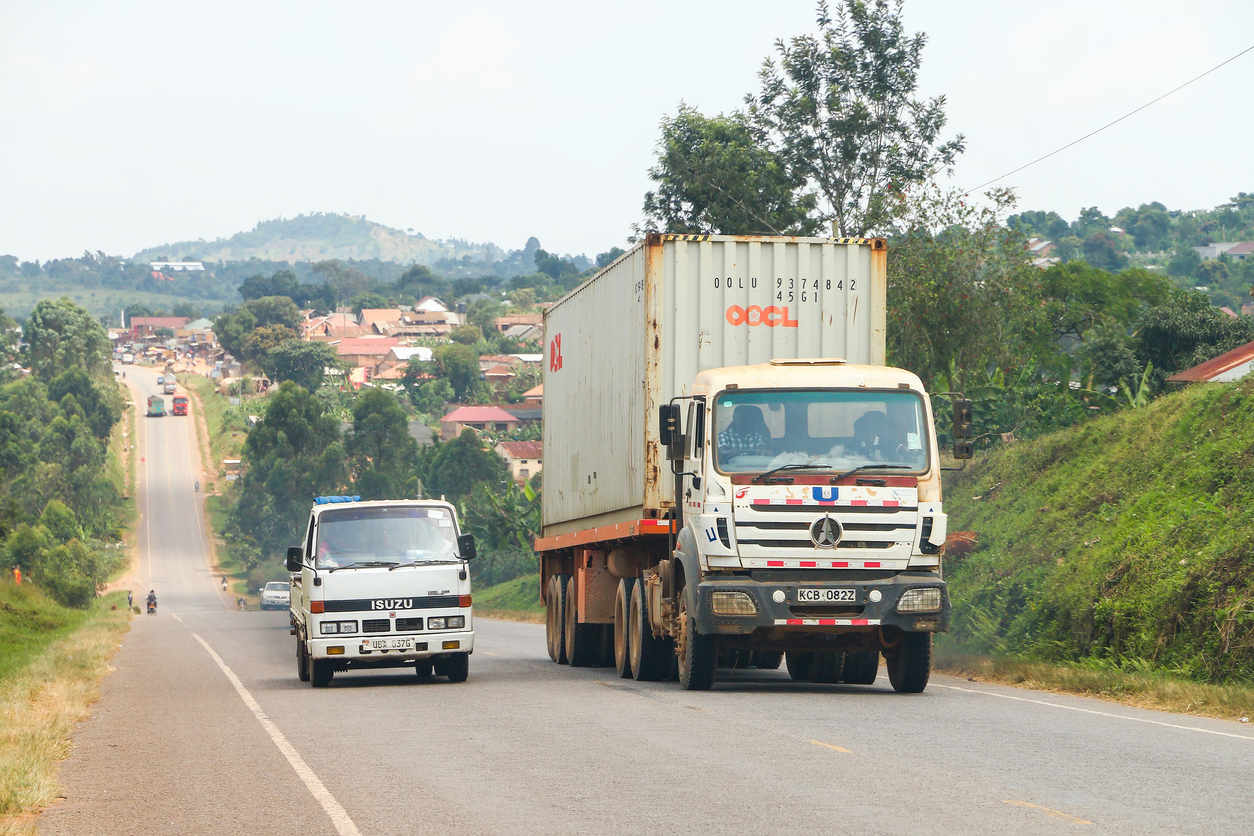
Nigeria and Ghana trade heavily in both directions, and families, students and small businesses send parcels between Lagos and Accra every day. Because the two countries are linked by road through Benin and Togo, you have more choices than for most international destinations: air express, courier networks, bus parcel services and full road freight. This guide compares them, gives the latest published prices, explains the paperwork, and lists the mistakes that cause delays at the borders.
Ways to ship from Nigeria to Ghana
| Method | Best for | Speed | Cost level |
|---|---|---|---|
| International express (DHL, FedEx via Red Star, UPS) | Documents, urgent parcels, samples | Fastest | Highest per kg |
| Courier network (for example GIGL international) | Personal parcels and small business shipments | About 5–10 business days to West Africa | From about ₦50,000 (May 2026) |
| Road freight (truck, part load or full load) | Commercial cargo, goods for resale, heavy items | Depends on border clearance | Lower per kg for large loads |
| Air cargo | Larger urgent consignments | Fast, plus clearance time | High, but lower per kg than express for big loads |
Sources: brands.ng GIG Logistics price list 2026 (May 2026) for GIGL figures; other rows are a Travo planning guide. Get a quote for your exact weight and dimensions.
Nigeria to Ghana shipping costs
Published prices for Nigeria–Ghana shipping are scarce, because most companies quote per shipment. The most recent figures we could verify:
| Service | Published figure | Date |
|---|---|---|
| GIGL international to Ghana | From about ₦50,000 | May 2026 (brands.ng) |
| GIGL West Africa delivery time | About 5–10 business days | May 2026 (brands.ng) |
| FedEx Nigeria export and import rates | Increased from 5 January 2026; dynamic fuel surcharge applies | FedEx Nigeria rates page |
| Nigerian export NXP processing (commercial exports) | ₦8,000 per transaction | May 2026 (Nairametrics) |
| Certificates (origin, fumigation, phytosanitary) for exports | ₦25,000–₦40,000 | May 2026 (Nairametrics) |
Sources: brands.ng (22 May 2026); FedEx Nigeria rates page (accessed September 2026); Nairametrics, 31 May 2026.
For road freight, the price depends on volume (part load or a full truck), the type of goods, and how long clearance takes at each border. Always get a written quote that says what is included: pickup, border clearance, Ghanaian duties and delivery to the door. For a broader look at costs on this corridor, see our guide to transport costs from Nigeria to Ghana.
The road route: Lagos to Accra
Road cargo from Lagos to Accra crosses three borders: Nigeria to Benin at Seme, Benin to Togo, and Togo to Ghana at Aflao. All four countries are ECOWAS members, which is meant to make trade between them easier. In practice, delays happen where documents are incomplete or goods are not properly declared. If you are travelling the route yourself, read our Nigeria to Ghana by road guide.
ECOWAS trade and the ETLS
The ECOWAS Trade Liberalisation Scheme (ETLS) is the framework for trade within West Africa. Goods that meet the ECOWAS rules of origin and are properly certified can qualify for preferential treatment when they move between member states. The ECOWAS Commission revised its rules of origin and origin-certification procedures in 2018. If you export goods made in Nigeria, ask your freight agent whether they qualify and which origin certificate you need. Personal effects and goods made outside West Africa are treated differently. See the ECOWAS member states list for the countries covered.
Documents you need
Personal parcels
- Sender and recipient names, full addresses and working phone numbers
- An honest description and value of the contents
- A valid ID for the sender
Commercial shipments
- Commercial invoice and packing list
- Nigerian export paperwork, such as the NXP form where required
- Certificate of origin, especially if you are claiming ECOWAS treatment
- Product certificates where needed, for example fumigation or phytosanitary certificates for food and agricultural goods
- The Ghanaian importer’s details for customs clearance in Ghana
Step by step: sending a parcel to Ghana
- Weigh and measure the parcel. Couriers charge by actual or volumetric weight, whichever is higher.
- Check the item is allowed. Cash, weapons, drugs and many food items are restricted.
- Get quotes from at least two providers, including delivery to the door in Ghana.
- Pack well, label clearly and put a copy of the address inside the box.
- Book the pickup or drop off at the courier centre and keep the receipt.
- Share the tracking number with the recipient and make sure their phone is reachable for delivery.
Common mistakes that cause delays
- Under-declaring value. It can lead to penalties or goods being held.
- Vague descriptions such as “gift” or “items”. Describe what is in the box.
- Missing phone numbers for the recipient in Ghana.
- Poor packing for a long road journey. Use strong boxes and waterproof wrapping.
- Paying informal “border fees” to unknown agents. Use a registered freight agent and ask for receipts.
Shipping from Ghana to Nigeria
The route works both ways. GIGL, for example, lists Ghana among the countries it receives imports from. Imports into Nigeria generally carry a 0.5% ETLS levy on the CIF value alongside import duty, a surcharge, the CISS levy and VAT, according to DHL’s June 2026 guide; ask your agent whether ECOWAS-origin goods qualify for different treatment. Read our guide to customs clearance and import duty in Nigeria for how Nigerian import charges work.
Ship to Ghana with Travo
Book a parcel pickup or ask for a road-freight quote for Accra, Kumasi or anywhere in Ghana. Send the weight and contents on WhatsApp.
Frequently asked questions
How much does it cost to ship from Nigeria to Ghana?
A May 2026 price guide lists GIGL shipments to Ghana from about ₦50,000. Express couriers are usually more expensive, and road freight is cheaper per kg for large loads. Get a quote for your exact weight.
How long does shipping from Nigeria to Ghana take?
The same guide gives about 5 to 10 business days for West Africa deliveries by GIGL. Express couriers are faster. Road freight depends on border clearance.
Can I send goods from Lagos to Accra by road?
Yes. Road freight runs from Lagos through Benin and Togo to Ghana. Use a registered freight agent with experience on the Seme and Aflao borders.
Do I pay duty in Ghana on goods from Nigeria?
It depends on the goods. Qualifying ECOWAS-origin goods with the right certificate may get preferential treatment; other goods attract Ghanaian duties. Check with your freight agent or Ghana’s customs authority.
What can I not send to Ghana?
Cash, weapons, illegal drugs and many perishable foods are restricted or prohibited. Check the courier’s own list before you send.
Which companies ship from Nigeria to Ghana?
DHL, FedEx (via Red Star Express), UPS and GIGL all offer international shipping that covers Ghana. Travo can book parcel pickups and road-freight jobs.
Related guides
- International shipping with Travo
- Nigeria to Ivory Coast shipping
- Shipping from Nigeria to Kenya
- Top courier companies in Nigeria
- ECOWAS passport vs international passport
Sources: brands.ng GIGL price list (May 2026); GIG Logistics (imports list, accessed September 2026); Nairametrics (31 May 2026); FedEx Nigeria rates page; DHL Nigeria import duty guide (June 2026); ECOWAS ETLS portal. Travo is a logistics booking platform and is not an agent of any courier, customs authority or ECOWAS body. Fares and prices change often — confirm before you travel or pay.
