


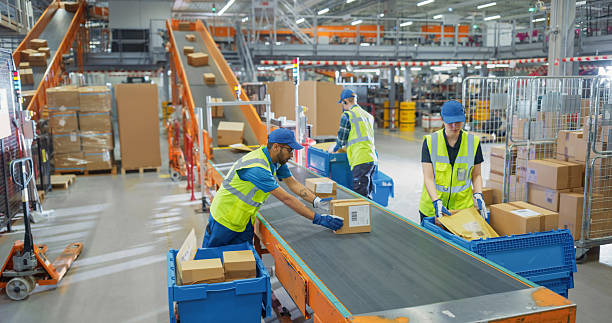
A temperature-controlled warehouse in Lagos is a logistics facility designed to keep goods within a specific temperature range so they do not spoil, degrade, or lose quality during storage. In a city like Lagos—where heat, humidity, and heavy import activity from Apapa and Tin Can Island ports are constant—this type of warehouse is now a core part of modern supply chains, not a luxury.
These facilities are widely used for food imports, FMCG distribution, pharmaceuticals, frozen goods, and sensitive industrial products, and they form the backbone of cold chain logistics across Nigeria.
Travo.ng helps businesses access verified temperature-controlled warehouses in Lagos and also coordinates refrigerated transport from ports, airports, and production sites into safe storage and final delivery nationwide.
What a Temperature-Controlled Warehouse Actually Does
A temperature-controlled warehouse maintains a stable environment depending on the product type:
- Chilled storage (0°C to 8°C) for dairy, beverages, vegetables, and medicines
- Frozen storage (-18°C and below) for meat, fish, poultry, and ice cream
- Ambient controlled storage (15°C to 25°C) for pharmaceuticals and packaged goods
These systems are powered by industrial cooling units, insulation systems, monitoring sensors, and backup generators to prevent temperature failure during power outages.
In real logistics operations, even a few hours of temperature deviation can cause major financial loss.
Why Temperature-Controlled Warehouses Matter in Lagos
Lagos is Nigeria’s main logistics entry point, but it also presents environmental and infrastructure challenges.
These warehouses are important because:
- Imported frozen food must be preserved after clearing at Apapa and Tin Can ports
- Pharmaceuticals require strict temperature stability to remain effective
- FMCG supply chains depend on bulk cold storage before retail distribution
- High humidity increases spoilage risk for food and agricultural goods
- Power instability makes backup-controlled systems essential
Without temperature control, large portions of imported goods would not survive the supply chain journey.
Where Temperature-Controlled Warehouses Are Located in Lagos
Apapa / Tin Can Island / Mile 2 Corridor
This is the busiest cold-chain logistics zone in Lagos.
- Close to port clearance operations
- Ideal for frozen food imports and FMCG storage
- High turnover distribution environment
Ikeja Industrial Axis (Ogba, Oregun, Airport Road)
- Strong pharmaceutical and FMCG distribution hub
- Easy access to airport cargo terminals
- Suitable for both chilled and ambient storage
Example: logistics providers in this area operate temperature-controlled cold rooms with multi-zone storage and 24/7 power and monitoring systems for sensitive goods
Oshodi / Isolo Industrial Belt
- Central logistics access across Lagos
- Heavy FMCG redistribution activity
- Strong truck movement connectivity
Lekki / Ajah Axis
- Fast-growing modern logistics corridor
- Supermarket and hospitality supply chains
- New warehouses with hybrid cold-chain infrastructure
Types of Temperature-Controlled Warehouses in Lagos
1. Cold Storage Warehouses
- 0°C to 8°C range
- Used for food, dairy, and pharmaceuticals
2. Freezer Warehouses
- -18°C and below
- Used for frozen meat, seafood, and ice cream
3. Pharmaceutical Cold Rooms
- Strict regulated storage for vaccines and drugs
- Requires monitoring and compliance systems
4. Multi-Zone Cold Chain Facilities
- Combination of chilled, frozen, and ambient zones
- Used by large FMCG distributors and importers
Real Cost of Temperature-Controlled Warehouse for Rent in Lagos
Costs depend on location, temperature requirements, and infrastructure:
- Small cold rooms: ₦10,000 – ₦30,000 per sqm monthly
- Mid-size logistics cold warehouses: ₦5M – ₦25M per year
- Large industrial cold chain facilities: ₦50M – ₦200M+ per year
- Premium port-adjacent facilities: higher due to demand and operational intensity
Cold storage costs are higher than standard warehousing because of electricity, equipment maintenance, and continuous monitoring systems.
Challenges of Temperature-Controlled Warehousing in Lagos
Even though demand is growing, operators face real issues:
- High electricity and diesel costs
- Dependence on generator backup systems
- Limited availability of large cold chain facilities
- Risk of temperature failure during power disruption
- High maintenance cost for cooling systems
Industries That Depend on Temperature-Controlled Warehouses
- FMCG importers and distributors
- Pharmaceutical companies
- Supermarkets and retail chains
- Hospitality and restaurant supply chains
- Frozen food importers and wholesalers
- Agricultural exporters and processors
Why Cold Chain Logistics Is Growing in Lagos
Demand is rising due to:
- Increasing food imports through Lagos ports
- Expansion of supermarket chains across Nigeria
- Growth of pharmaceutical distribution networks
- Rising demand for frozen and packaged foods
- Lagos acting as a national distribution hub
How Travo.ng Supports Temperature-Controlled Logistics in Lagos
Travo.ng helps businesses by:
- Connecting them with verified temperature-controlled warehouses in Lagos
- Coordinating refrigerated transport from port or airport to storage
- Managing FMCG and pharmaceutical cold chain logistics
- Supporting last-mile delivery of temperature-sensitive goods
- Ensuring end-to-end supply chain integrity
The focus is not just storage—it is protecting product quality across every stage of movement.
