


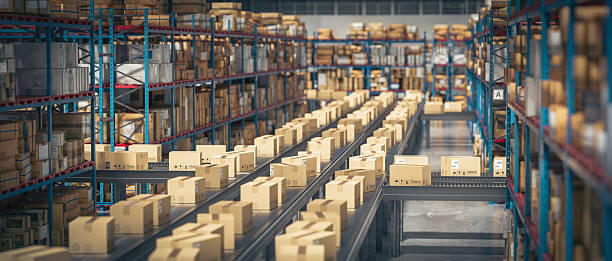
A secure warehouse for rent in Lagos with CCTV and armed security is designed for businesses that cannot afford losses, theft, or operational risk. In Lagos logistics, security is not an add-on—it is part of the infrastructure. From imported goods at Apapa and Tin Can Island ports to high-value FMCG, pharmaceuticals, electronics, and industrial cargo, security-controlled warehouses are essential for safe storage and distribution.
These warehouses combine 24/7 surveillance, access control systems, perimeter fencing, and armed security personnel, ensuring goods remain protected from arrival to dispatch.
Travo.ng helps businesses secure verified warehouses in Lagos with strong physical security systems while also coordinating cargo movement from port, airport, or production sites into safe storage and onward delivery across Nigeria.
What Makes a Warehouse “Secure” in Lagos Logistics
A truly secure warehouse goes beyond just having a gate and a guard.
It typically includes:
- 24/7 CCTV monitoring (internal and external coverage)
- Armed or trained security personnel on-site
- Controlled access entry points
- Perimeter fencing with intrusion prevention
- Visitor logging and cargo tracking systems
- Secure loading and unloading zones
- Fire safety and emergency response systems
Some advanced facilities also integrate digital inventory tracking and remote monitoring systems to reduce internal theft risks.
Why Secure Warehouses Are Critical in Lagos
Lagos is Nigeria’s busiest logistics hub, and cargo moves at very high volume daily. Without strong security, risks increase significantly.
Secure warehouses are necessary because:
- High-value imported goods pass through Apapa and Tin Can ports daily
- FMCG and electronics are frequent theft targets
- Cargo is often stored temporarily before interstate distribution
- Night-time logistics operations increase exposure risk
- Inventory movement is large and difficult to manually monitor
In Lagos logistics, security failures don’t just cause loss—they disrupt entire supply chains.
How Secure Warehouses Operate in Real Lagos Conditions
1. Controlled Entry and Verification
Every truck, staff member, and visitor is logged before entry.
2. CCTV Surveillance
Cameras monitor:
- Loading bays
- Storage zones
- Perimeter fence lines
- Entry and exit points
Some facilities operate full-time remote monitoring centers.
3. Armed Security Presence
Armed or highly trained security personnel patrol:
- Warehouse perimeter
- Cargo yards
- Loading areas
Security firms in Lagos such as Bemil Nigeria Limited (Ojodu, Ikeja) and other professional security providers support industrial warehouse protection services across the state.
4. Cargo Handling Supervision
All loading and unloading activities are supervised to prevent:
- Theft
- Misplacement
- Unauthorized access
5. Inventory Accountability
Goods are tracked through:
- Manual logs
- Barcode systems
- Digital warehouse management systems
Where Secure Warehouses Are Located in Lagos
Ikeja Industrial Axis (Oregun, Ogba, Airport Road)
This is one of the most secure logistics zones in Lagos.
- Strong corporate security presence
- Proximity to airport cargo operations
- Many warehouses with CCTV and access control systems
- Ideal for FMCG and high-value goods
Example: Large industrial warehouses in Ikeja are commonly equipped with CCTV surveillance, uniformed security, and controlled access compounds designed for safe storage and distribution operations
Apapa / Mile 2 / Amuwo-Odofin Corridor
- Closest to seaports
- High-value import cargo movement
- Heavy reliance on 24/7 armed security due to port activity
This corridor is critical for importers who need secure staging before distribution.
Oshodi / Isolo Industrial Belt
- Balanced logistics and security coverage
- Strong FMCG distribution activity
- Good access to mainland and expressway routes
Lekki / Ajah Axis
- Modern warehouses with integrated security systems
- CCTV + gated industrial estates
- Growing demand for e-commerce and retail logistics
Facilities in this corridor often include 24-hour security personnel, CCTV monitoring, and controlled warehouse access systems for inventory protection
Types of Secure Warehouses in Lagos
1. CCTV-Only Secure Warehouses
- Surveillance-focused
- Basic guard presence
- Suitable for moderate-risk goods
2. Armed Security Warehouses
- Armed guards or paramilitary-trained personnel
- High-risk cargo protection
3. Fully Controlled Industrial Warehouses
- CCTV + access control + digital tracking
- Ideal for FMCG and import distribution
4. High-Security Port-Adjacent Warehouses
- Near Apapa and Tin Can Island
- Designed for imported high-value cargo
Real Cost of Secure Warehouse for Rent in Lagos
Pricing depends on location, security level, and infrastructure:
- Basic secure warehouse (CCTV + guards): ₦5M – ₦20M per year
- Mid-level secure logistics warehouse: ₦20M – ₦60M per year
- High-security industrial facilities: ₦60M – ₦200M+ per year
- Prime Apapa / Ikeja secure zones: ₦35,000 – ₦80,000 per sqm annually
Security infrastructure significantly increases cost but reduces operational risk.
Common Security Risks in Lagos Warehousing
Even with systems in place, risks still exist:
- Internal theft or mismanagement
- Unauthorized cargo access
- Poor inventory tracking systems
- Night-time loading vulnerabilities
- Weak perimeter control in older facilities
This is why CCTV + armed security combination is becoming the industry standard.
Industries That Need Secure Warehouses Most
- FMCG importers and distributors
- Pharmaceutical companies
- Electronics and high-value goods importers
- Oil and gas logistics suppliers
- E-commerce fulfillment companies
- Wholesale distribution networks
Why Security Now Defines Warehouse Value in Lagos
In Lagos logistics, warehouse value is no longer just about size or location.
Security determines:
- Insurance cost
- Cargo safety
- Business credibility
- Supply chain reliability
- Customer trust
A poorly secured warehouse can destroy months of inventory value in a single incident.
How Travo.ng Supports Secure Warehouse Logistics in Lagos
Travo.ng helps businesses by:
- Connecting them to verified secure warehouses with CCTV and armed security
- Coordinating safe cargo movement from ports or airports
- Supporting fleet scheduling for secure dispatch operations
- Ensuring proper handling of high-value goods
- Reducing risk across the entire supply chain
The focus is simple: protect goods from arrival to final delivery without disruption.
