


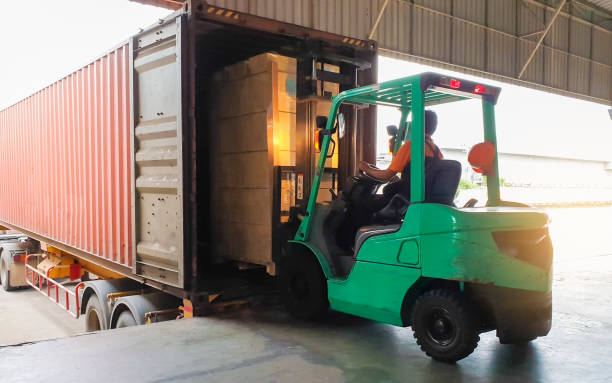
Freight forwarding training teaches people how to plan, coordinate and manage the movement of cargo from one location to another, including international shipments by air, sea and road.
For Nigerians interested in freight forwarding, importation, shipping, clearing or supply chain management, proper training can provide a clearer understanding of documentation, customs procedures, freight rates, Incoterms, cargo handling and the responsibilities of the different parties involved in a shipment.
What Freight Forwarding Training Covers
A practical freight forwarding course can cover areas such as:
- Fundamentals of freight forwarding
- Import and export procedures
- Shipping documentation
- Customs procedures
- Air and sea freight
- Road transportation
- Multimodal transport
- Incoterms
- Freight rates and charges
- Cargo insurance
- Dangerous goods
- Warehousing
- Supply chain management
- Freight risk and security
- Shipment tracking
The University of Lagos Institute of Maritime Studies, for example, lists fundamentals of freight forwarding, customs planning, freight safety, dangerous goods, multimodal transport, air transport, international road transport, warehousing and sea transport among its freight forwarding curriculum areas. (Unilag IMS)
Learning Freight Documentation
Documentation is one of the most important parts of forwarding.
Training can help students understand documents such as bills of lading, air waybills, commercial invoices, packing lists and customs-related documentation.
The objective is not simply to memorise document names. A good course should explain when each document is used, who prepares it, what information it contains and how errors can affect the shipment.
Customs and Clearance
Freight forwarders often work closely with importers, exporters, customs authorities, carriers and other logistics providers.
Understanding customs procedures is therefore an important part of professional training. Courses can introduce learners to customs planning, declarations, classification and compliance requirements.
In Nigeria, the Council for the Regulation of Freight Forwarding in Nigeria, CRFFN, operates education and training programmes and lists a Certificate in Freight Forwarding as well as FIATA-accredited diploma pathways among its programmes. (CRFFN)
Air, Sea and Road Freight
A freight forwarder needs to understand the differences between transport modes.
Air freight is often considered when speed is important or the shipment is relatively small or valuable.
Sea freight is commonly used for larger international consignments where longer transit times can be accommodated.
Road freight is important for domestic distribution and regional movements, particularly within West Africa.
Training helps learners understand how to select transportation options according to cargo characteristics, cost, urgency and destination.
Incoterms and Freight Costs
Incoterms help define responsibilities between buyers and sellers in international transactions.
A freight forwarding course can teach learners how different commercial terms affect transportation responsibilities, costs and risk transfer.
Training can also cover chargeable weight, freight rates, surcharges and landed-cost calculations. Current freight-forwarding training programmes in Lagos include these subjects alongside shipment planning and multimodal routing. (trainingcred.com)
Freight Risk and Cargo Safety
Cargo can face risks during transportation, storage and handling.
Training may cover cargo insurance, security procedures, dangerous goods and appropriate handling requirements.
Understanding these issues helps freight professionals identify potential problems before cargo moves and communicate the relevant requirements to customers and transport providers.
Who Should Take Freight Forwarding Training?
Freight forwarding training can be useful for:
- New freight forwarders
- Clearing and forwarding professionals
- Importers and exporters
- Shipping officers
- Logistics coordinators
- Procurement professionals
- Supply chain staff
- Transport managers
- Entrepreneurs starting logistics businesses
- Students interested in maritime and logistics careers
Beginners may benefit from foundational programmes, while experienced practitioners can choose advanced professional or specialised courses.
Freight Forwarding Training in Nigeria
Nigeria has several training pathways.
CRFFN states that its Certificate in Freight Forwarding is designed for people who do not meet the entry requirements for the FIATA Diploma, with the certificate programme lasting six months. It also lists FIATA-accredited Diploma and Higher Diploma programmes delivered through accredited institutions. (CRFFN)
The Nigerian Institute of Transport Technology also lists Freight Forwarding Practice in Transport and Logistics among its short-term training programmes. (Nitt)
There are also shorter private courses. For example, current Lagos-based programmes range from intensive five-day training to longer diploma-style programmes. (trainingcred.com)
Practical Experience Matters
Classroom knowledge is useful, but freight forwarding is an operational field.
Students should look for opportunities to understand how shipments actually move through ports, airports, warehouses, terminals and customs processes.
Practical exercises involving shipment documentation, freight calculations, routing decisions and cargo scenarios can make training more useful than theory alone.
How Travo.ng Can Help With Freight Logistics
Training provides the knowledge needed to understand freight operations, while practical logistics services are required when businesses actually move goods.
Travo.ng can support relevant cargo transportation, delivery coordination and logistics requirements for businesses moving goods within Nigeria or managing import and export-related movements.
For a newly trained freight professional, understanding how transportation, cargo movement and final delivery connect can help provide a more complete view of the logistics chain.
Choosing a Freight Forwarding Course
Before enrolling, check the curriculum, accreditation, duration, practical components and qualification awarded.
If your goal is a professional career in freight forwarding, investigate programmes connected with recognised industry bodies and professional pathways. If you simply want to understand freight operations for your import business, a shorter practical course may be sufficient.
Also compare whether the course focuses on Nigerian procedures, international freight, customs, documentation or broader supply chain management.
Building a Career in Freight Forwarding
Freight forwarding combines international trade, transportation, documentation, customs, customer service and commercial decision-making.
A strong foundation can help beginners understand how these areas connect, while continued practical experience can develop their ability to coordinate real shipments.
For Nigerians looking to enter the logistics industry or improve their import and export operations, freight forwarding training can provide a structured starting point for understanding the movement of cargo from supplier to final destination.
