


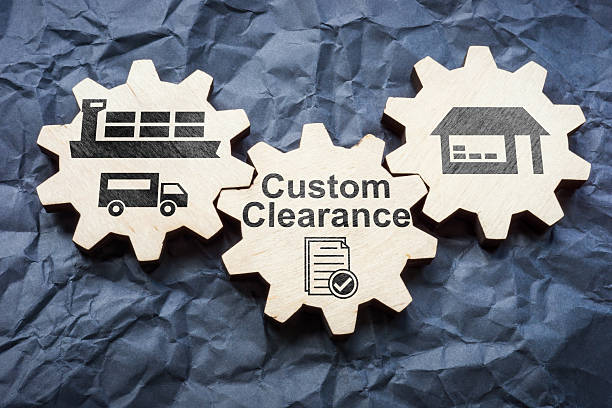
Trade compliance is an important part of importing and exporting goods in Nigeria. Businesses need to meet customs requirements, provide accurate shipment information, obtain applicable permits and follow restrictions that apply to particular products.
For Nigerian importers, exporters and businesses involved in international trade, compliance should be considered before a shipment leaves the supplier, not only when the goods arrive at the port.
What does trade compliance mean in Nigeria?
Trade compliance means following the laws, regulations, documentation requirements and procedures governing the movement of goods into and out of Nigeria.
The Nigeria Customs Service is responsible for enforcing import and export restrictions and prohibitions, assessing and collecting customs duties and taxes, checking cargo and maintaining trade data. (Nigeria Customs Service)
Depending on the product and transaction, a business may also need to deal with other government agencies responsible for specific goods or regulatory requirements.
What should Nigerian importers check before shipping?
Before placing an import order, businesses should establish exactly what is being imported and how the product is classified.
Important checks include:
- Correct product description
- Appropriate HS classification
- Applicable customs duties and taxes
- Import restrictions or prohibitions
- Required permits and certificates
- Importer registration and tax identification
- Customs documentation
- Product-specific regulatory requirements
Nigeria’s customs systems provide trade and compliance tools intended to help traders determine applicable procedures and requirements. (Nigeria Customs Service)
Why accurate documentation matters
Incorrect information can create problems during customs processing.
The Nigeria Customs Service’s Simplified Customs Advance Declaration System requires users to provide accurate and complete information, with false or misleading information potentially resulting in penalties or account suspension. (SCAD)
Businesses should therefore ensure that information on commercial invoices, shipping documents, cargo declarations and other relevant records is consistent.
It is also important to keep records of trade documents in case they are needed for verification or future compliance checks.
Customs registration and tax identification
Businesses involved in Nigerian customs processes need appropriate registration.
Current NCS guidance explains that a Tax Identification Number is used as a key identifier for customs registration and electronic declaration processes. The NCS also operates digital systems for customs procedures, including its Unified Customs Management System, known as B’Odogwu. (Nigeria Customs Service)
Importers should make sure their registration information is accurate before starting a shipment.
Product permits and restrictions
Not every product can be imported or exported under the same conditions.
Some goods may require additional licences, permits, certificates or approvals from relevant regulatory agencies. Certain products may also be subject to restrictions or prohibitions.
This is why a business should check the requirements for its specific product rather than assuming that the documentation used for a previous shipment will automatically apply to a new one.
The Nigeria Customs Service provides licensing and permit information for regulated customs activities and identifies the role of licensed customs agents in helping businesses process imports and exports. (Code Customs)
Customs valuation and trade costs
Correct valuation is another important part of compliance.
Customs valuation affects the assessment of duties and taxes, so businesses should maintain accurate commercial and transaction records.
The Nigeria Customs Service states that Nigerian customs valuation operates under WTO customs valuation rules alongside the applicable Nigerian customs framework and ECOWAS Common External Tariff. (Nigeria Customs Service)
Importers should therefore avoid treating customs valuation as something to be considered only after cargo reaches the port. It should form part of the initial landed-cost calculation.
Digital trade compliance in Nigeria
Nigeria is increasingly using digital systems to manage customs and trade processes.
The B’Odogwu platform is designed to integrate customs processes electronically, while the Nigeria Customs Service’s SCADS platform supports advance declarations for eligible e-commerce shipments and provides features such as shipment tracking and electronic payments. (SCAD)
For businesses, digitalisation can make it easier to submit information, monitor processes and maintain records, although traders still need to provide accurate information and meet the underlying regulatory requirements.
Common trade compliance mistakes
Businesses can run into avoidable problems when they treat compliance as an afterthought.
Common mistakes include using an incorrect product classification, providing inconsistent shipment information, failing to check whether a permit is required and underestimating duties and other import costs.
Another mistake is relying entirely on old documentation or previous clearance experiences when regulations or procedures may have changed.
Before every major shipment, businesses should confirm the current requirements for the specific goods and destination.
How Travo.ng Can Help With Trade Logistics
Travo.ng can help businesses coordinate the logistics side of compliant import and export operations.
For businesses moving commercial cargo into Nigeria, Travo.ng can assist with cargo logistics, transportation coordination and delivery arrangements after goods have been processed and released.
Travo.ng can also help connect different stages of the supply chain, from cargo movement and port-related logistics to transportation and final delivery within Nigeria.
Businesses should still work with the appropriate licensed customs professionals and regulatory authorities for formal customs declarations, permits and compliance decisions.
Planning compliance before the shipment moves
Good trade compliance starts before goods are loaded for shipment.
Importers and exporters should identify the applicable requirements, prepare accurate documentation, confirm product restrictions and calculate expected duties and logistics costs before committing to a shipment.
Once the regulatory side is properly planned, businesses can coordinate cargo transportation and delivery with fewer surprises.
For Nigerian businesses involved in international trade, combining compliance planning with reliable logistics coordination can make the movement of goods more predictable and easier to manage.
