


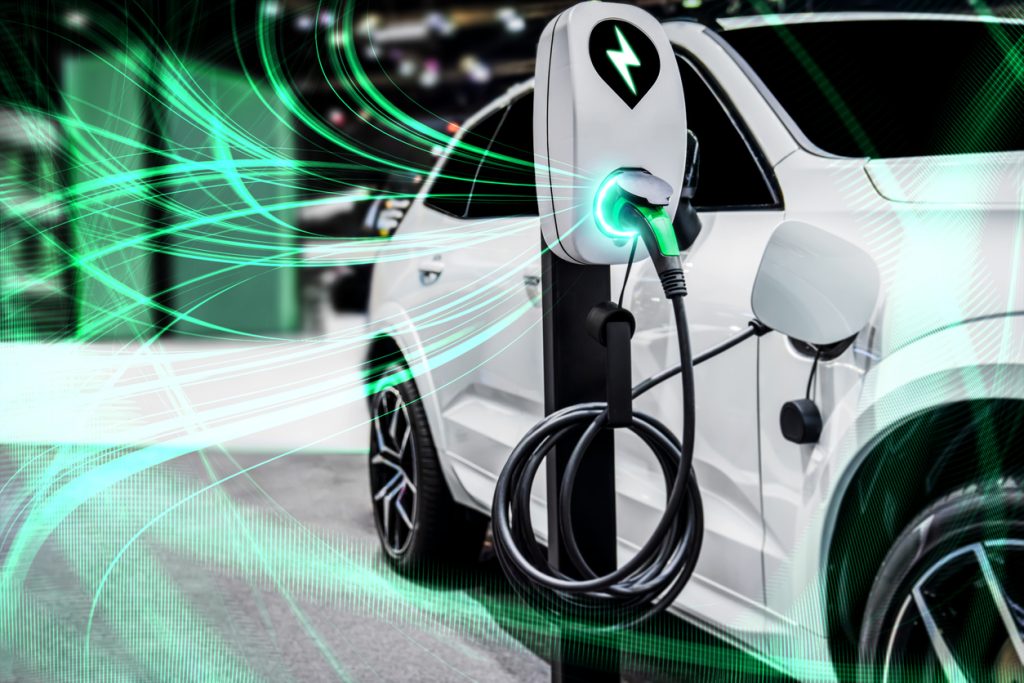
EV adoption in Nigeria is still developing, but one challenge is already clear: drivers need dependable places to charge. For businesses, estates, hotels, shopping centres and transport operators, EV charging hub installation is becoming a practical infrastructure investment rather than something to plan for years from now.
Installing a charging hub involves more than buying chargers and mounting them beside a parking space. Equipment has to reach the site safely, electrical capacity must be assessed, charging points need sensible positioning, and installation teams must have clear access to work without disrupting daily operations.
Travo.ng can support these projects with equipment transportation, delivery coordination, vehicle hire and logistics planning across Nigeria.
Start With the Location Before Ordering Charging Equipment
A common mistake is choosing charging equipment before confirming whether the proposed site can actually support it.
A commercial property in Lekki, for example, may want several fast chargers, but available electrical capacity, parking layout and vehicle movement can affect what is practical. The same applies to hotels in Abuja, office complexes in Ikeja or fleet yards around Lagos.
Before equipment movement begins, project teams should establish:
- Number of charging points required
- Expected vehicle traffic
- Available electrical supply
- Space for vehicles to enter and exit
- Equipment dimensions and weight
- Delivery and installation access
- Future expansion requirements
Sorting these details early prevents expensive equipment from arriving at a site that is not ready.
Moving EV Chargers to the Installation Site Needs Proper Planning
EV chargers, electrical cabinets, cables and supporting equipment should not be treated like ordinary parcels.
A charging hub project may involve imported equipment arriving through Lagos before being transported to a site in Victoria Island, Ikeja, Ibadan or even Abuja. Delivery planning should account for equipment size, handling requirements, loading arrangements and secure storage if installation cannot begin immediately.
Travo.ng can coordinate cargo movement and suitable transport so equipment reaches the project location safely and at the agreed time.
For larger installations, staged deliveries can be more practical than sending everything at once. Civil works, electrical preparation and charger installation may happen on different days, so synchronising deliveries reduces congestion and unnecessary storage at the site.
Lagos Traffic Can Affect Installation Schedules
Timing matters when organising EV charging hub installation in Lagos.
Moving bulky charging equipment during peak traffic on routes such as Lekki-Epe Expressway, Lagos-Ibadan Expressway or around Apapa can cause several hours of delay. This becomes a bigger problem when electricians, engineers and lifting personnel are already waiting at the destination.
Where possible, equipment delivery should be scheduled outside the busiest traffic periods. Commercial sites should also confirm loading access before the vehicle leaves the warehouse.
Good logistics coordination may seem like a small part of an EV infrastructure project, but poor timing can delay an entire installation day.
What Businesses Should Arrange Before Installation Day
Before installers arrive, confirm that electrical and civil preparation has been completed.
The parking area should also be cleared, delivery vehicles should have access, and security personnel should know which contractors are expected.
For installations involving several chargers, businesses should consider how vehicles will queue and leave after charging. A badly positioned charging station can create unnecessary congestion even when the equipment works perfectly.
Hotels, shopping malls, residential estates and corporate offices should also consider whether charging spaces will remain dedicated to EVs or operate as normal parking spaces when unused.
Building Charging Infrastructure Beyond One Location
Businesses planning several charging stations need a more structured logistics approach.
A company developing hubs in Lagos, Abuja and Port Harcourt may need equipment distributed from one warehouse to multiple locations. In such cases, coordinated cargo logistics, interstate transport and temporary storage can make deployment easier.
Travo.ng can support the physical movement behind EV infrastructure projects, including equipment delivery, transport coordination, vehicle hire and business logistics support.
A successful charging project depends on more than the charger itself. From site readiness to equipment movement and installation-day coordination, every stage needs to work together.
For businesses preparing to expand Nigeria’s EV charging network, organised EV charging hub installation logistics can reduce delays, protect valuable equipment and help new charging locations become operational with fewer disruptions.
