


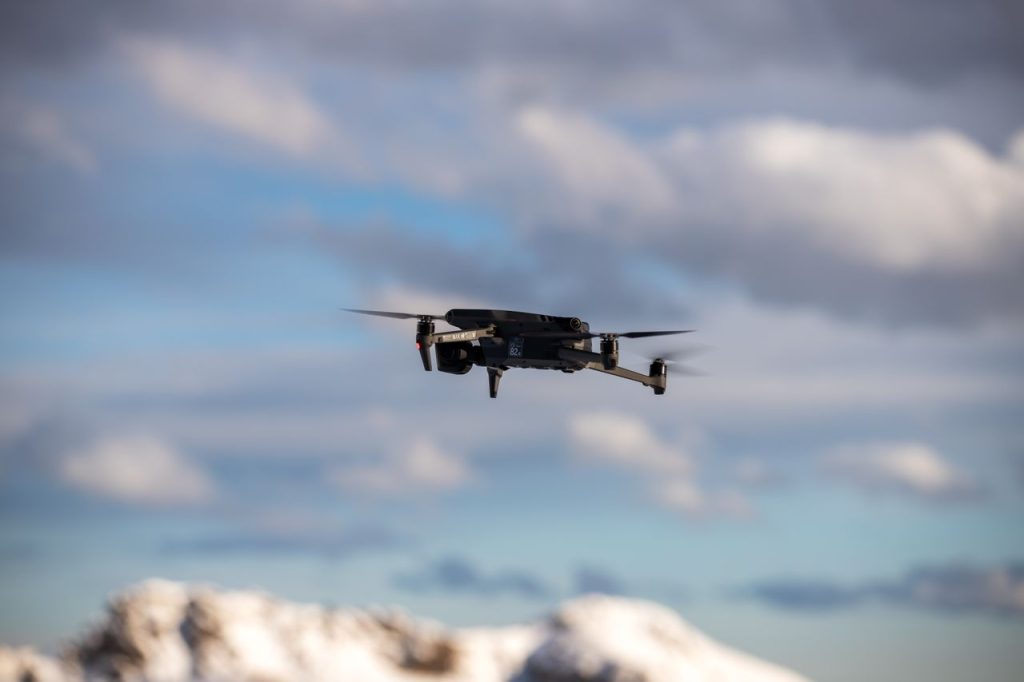
Flooding, damaged bridges, insecurity and poor road access can prevent essential supplies from reaching the people who need them. When vehicles cannot complete the journey and waiting for road access is not practical, aerial emergency supply delivery Nigeria can provide a faster alternative for urgent, lightweight cargo.
This type of operation may be used to move medicine, medical equipment, communication devices, food packs, emergency documents or small replacement parts to isolated communities and work sites.
However, air delivery is not simply a matter of loading supplies onto an aircraft. The cargo must be suitable for the available aircraft, packed correctly and delivered to a location where unloading or collection can happen safely.
When Road Delivery Is No Longer Practical
Road transport is normally the most affordable option for moving supplies within Nigeria. Aerial support becomes relevant when the delay or access problem creates a serious operational risk.
This may happen when:
- Floodwater has cut off surrounding roads
- A bridge has collapsed or become unsafe
- A remote community needs urgent medical supplies
- An offshore or difficult work site requires a critical spare part
- Relief materials must reach an area quickly
- A time-sensitive document cannot wait for road transport
- Security conditions make a particular route temporarily unsuitable
For example, a health centre in a riverine part of Bayelsa may need temperature-sensitive medicine while surrounding roads are flooded. A construction project in a remote area may also require a small machine component to prevent several days of downtime.
In such cases, the urgency and value of the delivery may justify air transport.
The Supply Size Determines the Aircraft Option
Not every aircraft can carry every type of emergency cargo. Small packages may be suitable for a helicopter, light aircraft or approved drone operation, while heavier loads may require a larger aircraft and a suitable airport or landing area.
Before booking, provide accurate details about:
- The weight of the shipment
- Package dimensions
- The type of goods
- Pickup location
- Final destination
- Required delivery time
- Special handling conditions
Incorrect weight information can delay the operation or make the planned aircraft unsuitable. Emergency requests should therefore be measured and documented properly before dispatch.
Packing Supplies for Air Movement
Air cargo must be packed more securely than an ordinary local delivery. Packages may be lifted, transferred and exposed to vibration during movement.
Medicines should be placed in approved temperature-controlled packaging where necessary. Electronic equipment must be protected from moisture and impact. Liquids should be sealed properly to prevent leakage.
Each package should have a clear label showing:
- Sender and receiver details
- Destination
- Contact numbers
- Contents
- Weight
- Handling instructions
- Temperature requirements where applicable
Dangerous goods, fuel, chemicals and certain batteries may require special approval or may not be accepted on a particular aircraft. The contents must be disclosed honestly during booking.
Delivery Does Not End When the Aircraft Lands
Aerial emergency delivery often requires road or boat transport at one or both ends of the journey.
Supplies may first need to be collected from a warehouse in Lagos and moved to an airport or helipad. At the destination, another vehicle, motorcycle or boat may be required to carry the items from the landing point to the final receiver.
This is where poor coordination often creates delays. If the aircraft arrives but nobody is available to collect the cargo, the advantage of air delivery is lost.
Travo.ng can help coordinate the complete movement, including pickup, air cargo arrangements, ground handling and onward delivery to the final location.
What Affects the Cost of Emergency Air Delivery
Aerial delivery is usually more expensive than standard road transport. Pricing depends on the aircraft type, cargo weight, distance, landing arrangements, urgency and handling requirements.
A dedicated helicopter trip will cost more than placing a small package on an already scheduled flight. Weekend, late-night or short-notice operations may also attract additional charges.
To receive an accurate quotation, provide the complete delivery plan rather than asking only for the cost of flying between two cities.
The quote may need to include:
- Pickup transportation
- Aircraft charter or cargo space
- Airport or landing fees
- Ground handling
- Special packaging
- Onward delivery
- Waiting time
Common Mistakes That Delay Urgent Air Cargo
One common mistake is waiting until the last minute before confirming the cargo weight and destination access. Another is assuming an aircraft can land close to any community or work site.
Customers should also avoid packing restricted items without declaring them. Undisclosed goods may be rejected during inspection and cause the entire shipment to miss its departure.
The receiver must be informed early and remain reachable throughout the movement. Emergency logistics depends on fast communication from pickup to final handover.
Book Aerial Emergency Supply Delivery With Travo.ng
Reliable aerial emergency supply delivery Nigeria requires the right aircraft, correct packaging and strong coordination between air and ground transport.
Travo.ng helps businesses, relief organisations, medical teams and individuals arrange urgent cargo movement, airport handling, vehicle hire, boat transport and final-mile delivery across Nigeria.
When roads are blocked or time is critical, a properly planned aerial delivery can help essential supplies reach their destination without unnecessary delay.
