


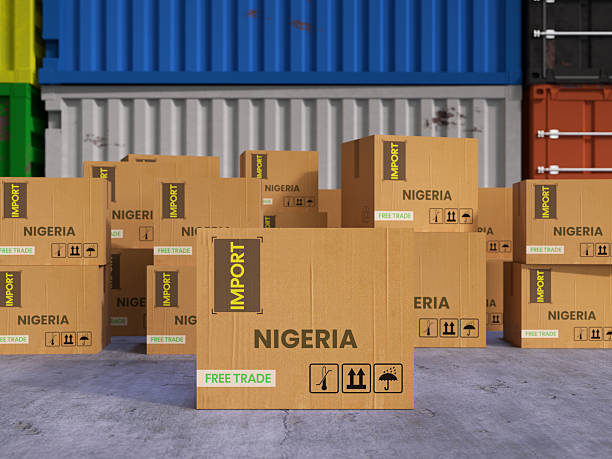
Importing from China can be a good way to source products for a Nigerian business, but beginners often make the mistake of focusing only on the supplier’s price. The real cost includes the goods, shipping, customs duties, taxes, clearing and transportation after the cargo arrives in Nigeria.
The safest approach is to start small, understand the process and calculate your landed cost before sending money to a supplier.
1. Choose the Right Product
Start by deciding exactly what you want to import.
Look for products that have consistent demand in Nigeria and are relatively easy to store, transport and sell. Before placing an order, check the competition and determine the price customers are willing to pay.
You should also confirm that the product is permitted for importation into Nigeria. Nigeria’s Trade Information Portal provides product-specific import procedures and maintains information on prohibited goods. (NTIP – Nigerian Trade Information Portal)
For a beginner, it is usually better to test one or a few products rather than spend all your money on a large shipment.
2. Find a Reliable Chinese Supplier
Once you have chosen your product, look for suppliers through established B2B marketplaces, manufacturers, wholesalers or sourcing agents.
When comparing suppliers, check:
- Product price
- Minimum order quantity
- Product specifications
- Factory or business information
- Reviews and trading history
- Sample availability
- Packaging options
- Production time
- Payment terms
- Shipping arrangements
Do not automatically choose the supplier with the lowest price. A cheap product that arrives damaged or differs from your sample can become more expensive than buying from a slightly more reliable supplier.
3. Order a Sample Before Buying in Bulk
If possible, order a sample first.
This allows you to check the actual quality, colour, size, material, packaging and functionality before committing to a larger order.
For products such as electronics, clothing, beauty products, household items or accessories, this step can save you from receiving hundreds of units that customers do not want.
4. Find Out the HS Code
Before calculating your import costs, identify the correct HS code for your product.
The HS code is used to classify goods for customs purposes and plays an important role in determining applicable duties and regulatory requirements. The Nigerian Trade Information Portal provides an HS Code Lookup tool for this purpose. (NTIP – Nigerian Trade Information Portal)
Do not rely blindly on the code supplied by a Chinese seller. The product description must match the Nigerian customs classification.
5. Check Nigerian Import Requirements
Different products can have different requirements.
For example, certain goods may require approvals, permits or certificates from agencies such as NAFDAC, SON, NESREA or agricultural authorities.
The National Single Window and Nigerian Trade Information Portal provide product-specific requirements. The official import procedure also includes checking the HS code, applicable permits and regulatory requirements before shipment. (NTIP – Nigerian Trade Information Portal)
This is particularly important if you are importing food, medicines, chemicals, agricultural products, electronics or regulated goods.
6. Calculate Your Landed Cost
This is one of the most important steps for a new importer.
Do not calculate your profit using:
Selling price − China supplier price = profit
Instead, consider the complete cost of getting the product into your hands in Nigeria.
Your calculation may include:
- Product cost
- China-side charges
- Freight
- Insurance where applicable
- Customs duty
- VAT and applicable levies
- Clearing charges
- Terminal or shipping-related charges
- Storage or demurrage if incurred
- Transport from the port or airport
- Final delivery
Nigeria’s official customs duty calculator uses information including HS code, currency, cost price, freight and insurance to estimate applicable duties and taxes. (NTIP – Nigerian Trade Information Portal)
For example, if a product costs ₦5,000 at the supplier’s end but another ₦3,000 is spent getting each unit cleared and delivered, your real cost is closer to ₦8,000 before considering your other business expenses.
7. Register Your Import Business
If you intend to import commercially, make sure your business and tax registration are properly arranged.
The current Nigerian Trade Information Portal lists company registration with CAC, obtaining a Tax Identification Number and registration on relevant trade platforms among the steps for first-time importers. (NTIP – Nigerian Trade Information Portal)
Depending on your product and circumstances, additional registrations or approvals may be required.
8. Decide Between Air Freight and Sea Freight
Your choice of shipping method depends largely on the size, weight, value and urgency of your goods.
Air freight is generally useful when you need the goods quickly or the shipment is relatively small.
Sea freight is often more suitable for larger or heavier shipments where you can wait longer for delivery.
Do not choose based on freight price alone. Compare the complete landed cost and expected delivery time.
9. Agree on the Supplier’s Terms
Before paying, confirm exactly what your supplier is responsible for.
Ask for a clear quotation showing:
- Product price
- Quantity
- Packaging
- Shipping terms
- Production timeline
- Payment terms
- Incoterm where applicable
- Any China-side charges
Also make sure the invoice describes the goods accurately.
Keeping your commercial documents consistent is important because customs clearance requires documentation such as the commercial invoice, packing list and transport document. (NTIP – Nigerian Trade Information Portal)
10. Arrange the Nigerian Customs Process
For formal commercial imports, the Nigerian import process can involve Form M, applicable permits and the Pre-Arrival Assessment Report before customs clearance.
The official import procedure lists Form M, PAAR, customs declaration, payment of applicable duties and inspection/release as key stages. It also states that customs clearance processing requires a licensed customs agent. (NTIP – Nigerian Trade Information Portal)
If you are importing for the first time, working with an experienced licensed customs agent can help you navigate the documentation and clearance process.
11. Ship the Goods From China
Once your supplier has completed production and the necessary arrangements are in place, your cargo can be shipped to Nigeria.
Keep copies of your important documents, including the commercial invoice, packing list and Bill of Lading or Airway Bill.
Your freight provider should also give you information that allows you to follow the shipment and prepare for its arrival.
12. Clear the Goods in Nigeria
After arrival, the shipment goes through the applicable customs clearance process.
The customs declaration is submitted, duties and applicable taxes or levies are paid, and the shipment may undergo scanning or physical examination depending on the applicable process.
Once the requirements have been satisfied and the goods are released, they can leave the port or airport. (NTIP – Nigerian Trade Information Portal)
13. Move the Goods to Your Warehouse or Customers
Customs clearance is not the end of the import process.
You still need to move the goods from the Nigerian entry point to your warehouse, shop or customers.
For example, goods arriving through a Lagos port may need to be transported to a warehouse elsewhere in Lagos, Ogun, Abuja or another state.
Planning this transportation before your shipment arrives can prevent unnecessary delays and additional storage costs.
How Travo.ng Can Help With Your China-to-Nigeria Import Logistics
Travo.ng can support the transportation and delivery side of your import operation.
Once your goods have arrived and completed the relevant clearance process, you may need a vehicle to move cargo from the port, airport or warehouse to its final destination. Travo.ng can support cargo transportation, delivery coordination and vehicle hire where appropriate.
Travo.ng is not Nigeria Customs Service and does not replace a licensed customs agent for customs declarations, assessment or clearance. Its role is more practical on the travel and logistics side of the journey.
For example, a Nigerian trader importing goods from China could arrange international freight separately, complete customs clearance through the appropriate process and then use Travo.ng for onward transportation or delivery within Nigeria.
How Much Money Do You Need to Start?
There is no single amount required to start importing from China.
Your starting capital depends on the product, minimum order quantity, shipping method, exchange rate, customs treatment and local delivery costs.
A sensible beginner approach is to calculate the landed cost of a small test shipment first. If the numbers work and customers respond well to the product, you can increase your order size on subsequent shipments.
Common Mistakes to Avoid
Before making your first payment to a Chinese supplier, avoid these mistakes:
- Buying large quantities without testing the product
- Choosing a supplier solely because of a low price
- Ignoring Nigerian import restrictions
- Using the wrong HS code
- Forgetting customs duties and taxes
- Calculating profit from the supplier price alone
- Failing to inspect samples
- Sending money without verifying the supplier
- Ignoring shipping and local delivery costs
- Waiting until the goods arrive before planning clearance
A Simple China-to-Nigeria Import Roadmap
For a beginner, remember the process like this:
Choose a product → Research the Nigerian market → Find and verify a Chinese supplier → Order a sample → Check HS code and import requirements → Calculate landed cost → Register properly → Agree on supplier terms → Arrange freight → Prepare import documents → Ship to Nigeria → Complete customs clearance → Move the goods to your warehouse or customers.
Starting small and understanding your total landed cost before placing a large order can make the difference between a profitable import business and an expensive first shipment.
