


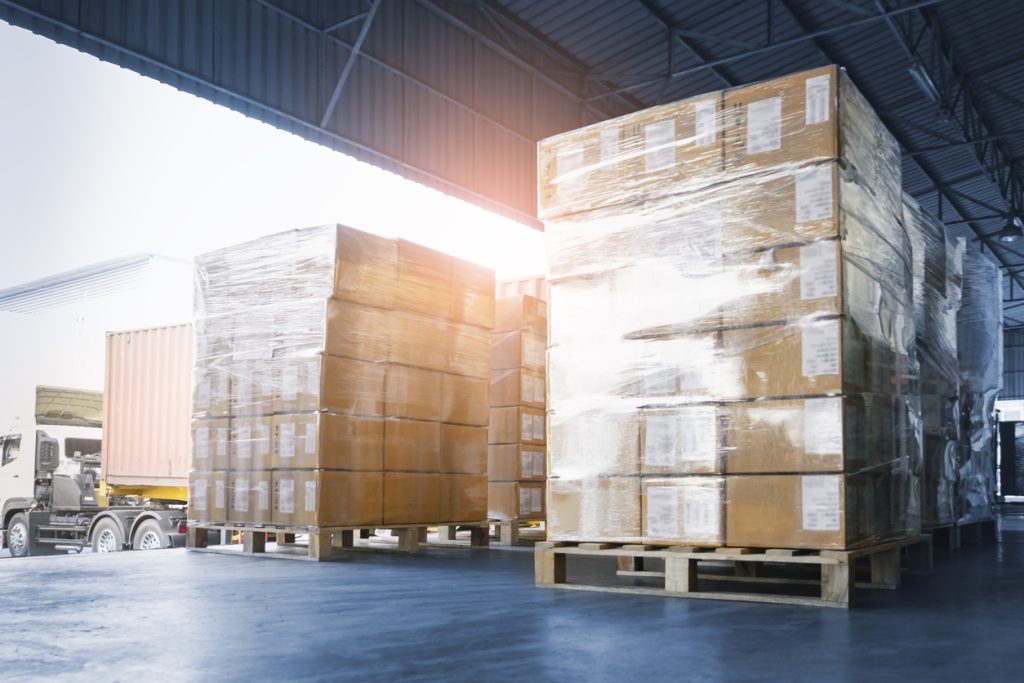
Freight forwarding involves coordinating cargo, customers, carriers, documents and transportation across multiple stages. As shipment volumes grow, relying entirely on paperwork, spreadsheets and phone calls can make operations harder to manage.
Freight forwarding technology uses digital tools to help freight businesses organise shipments, communicate with customers and improve visibility across their operations.
What Is Freight Forwarding Technology?
Freight forwarding technology includes software, online platforms and digital tools used to manage freight activities.
These technologies can support:
- Shipment management
- Freight quotations
- Online bookings
- Cargo documentation
- Shipment tracking
- Customer management
- Invoicing and payments
- Carrier coordination
- Warehouse operations
- Delivery management
- Business reporting
The technology a company needs depends on its shipment volume, transportation methods and type of customers.
How Technology Is Changing Freight Forwarding
Traditional freight forwarding often involves information being exchanged between importers, exporters, carriers, agents, customs professionals, warehouses and transport providers.
Digital systems can bring more of this information into connected platforms.
For example, a forwarding company can create a shipment record, attach relevant documents, update the shipment status and share information with authorised staff without maintaining several separate records.
Important Freight Forwarding Technologies
Freight Management Software
Freight management systems help businesses organise bookings, shipments, quotations, documentation and operational records.
Cloud-Based Platforms
Cloud systems allow authorised employees to access freight information through the internet, which can be useful for teams working from different offices.
Shipment Tracking
Tracking technology can provide visibility into cargo or vehicle movements and help businesses provide customers with shipment updates.
Digital Documentation
Digital document management reduces dependence on physical files and makes it easier to locate documents associated with individual shipments.
Customer Relationship Management
CRM tools help freight forwarders manage customer information, enquiries, quotations and communication.
Freight Forwarding Technology in Nigeria
Nigerian freight businesses may coordinate cargo through ports, airports, warehouses, trucking companies and final delivery locations.
A shipment arriving through Lagos, for example, may require several transportation and logistics arrangements before reaching its final customer.
Using digital systems to organise shipment information can help businesses coordinate these stages more effectively.
Technology does not remove the need for experienced logistics professionals, but it can give them better tools for managing information and daily operations.
Benefits for Small Freight Forwarders
Smaller forwarding companies can also benefit from technology without immediately adopting complicated enterprise systems.
A basic digital setup can help with:
- Customer records
- Shipment status
- Quotations
- Invoices
- Document storage
- Delivery coordination
As shipment volumes increase, the business can introduce more advanced automation and integrations.
Tribal and Cultural Considerations in Freight Operations
Freight forwarding involves customers, drivers, agents and suppliers from different Nigerian communities. Professional communication should remain respectful and clear regardless of cultural or regional background.
For cargo moving between states, always confirm the exact delivery location, state, contact person and phone number. Clear information is important because similar place names can exist in different parts of Nigeria.
Technology and Last-Mile Freight Delivery
Freight forwarding technology is useful beyond international transportation. Once cargo reaches Nigeria, it may still need to move from a port or airport to a warehouse or final customer.
Digital shipment information can help forwarding teams coordinate this final stage with transportation and delivery providers.
Travo.ng can support relevant cargo logistics, transportation and delivery requirements, helping businesses coordinate the physical movement of goods alongside their wider freight operations.
What to Consider Before Choosing Freight Technology
Before investing in a technology platform, consider the actual problems your company needs to solve.
Look at:
- Shipment volume
- Number of users
- Transportation modes
- Customer requirements
- Tracking needs
- Document management
- Invoicing
- Integrations
- Data security
- Mobile accessibility
- Reporting
- Scalability
The goal should be to choose technology that simplifies freight operations rather than adding unnecessary complexity.
Building a More Digital Freight Operation
A freight forwarding company does not have to digitise everything at once.
Start with areas that consume the most administrative time, such as shipment records, quotations, customer communication or document management. Once these processes are organised, the company can gradually introduce tracking, automation and integrations.
With the right technology and efficient transportation coordination, freight businesses can create a more organised process from booking through final delivery.
