


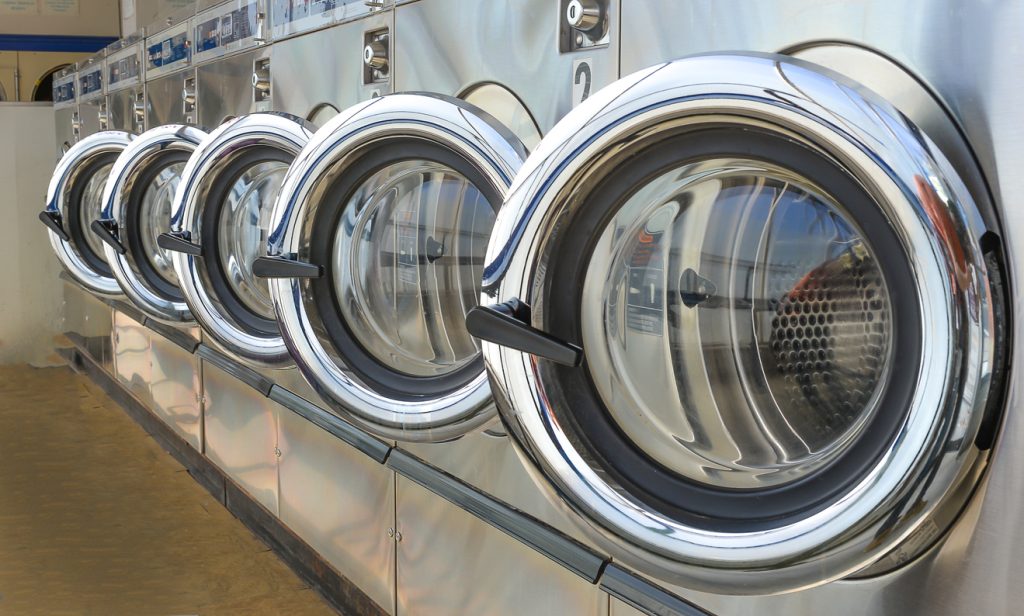
Running a laundry business in Lagos depends on more than washing machines, detergents, and reliable staff. Water availability can determine how many customer orders you complete in a day and whether clothes are returned on schedule.
For laundromats, dry-cleaning businesses, hotels, serviced apartments, and commercial washing operations, arranging dependable water supply for laundries in Lagos becomes especially important in areas where borehole output, public supply, or storage capacity is inconsistent.
A busy laundry cannot simply stop operations because the tanks are empty. That is why many operators need a practical backup water delivery arrangement they can call on before shortages affect customers.
How Much Water Does a Laundry Business Actually Need?
Water consumption depends heavily on the number and type of machines being used.
A small neighbourhood laundry handling 20 to 40 customer loads daily may consume several thousand litres once washing, rinsing, cleaning floors, and general operations are considered.
Larger laundries serving hotels, restaurants, hospitals, gyms, or short-let apartments can require significantly more.
Before ordering water, businesses should estimate:
- Average daily washing volume
- Number and capacity of washing machines
- Existing overhead and ground tank capacity
- Frequency of water shortages
- Peak periods such as weekends
- Additional water used for cleaning the premises
Knowing these figures makes it easier to schedule deliveries instead of waiting until the last tank is almost empty.
Lagos Traffic Can Affect Water Delivery Timing
Laundry operators in Lekki, Victoria Island, Ikeja, Yaba, Surulere, Ikorodu, Ajah, and other parts of Lagos should consider traffic when arranging supply.
A water truck scheduled during heavy morning or evening traffic may take considerably longer to reach the premises.
Businesses working with tight production schedules should therefore avoid emergency orders where possible. If your storage usually lasts three days, arranging replenishment before the third day is safer than waiting until washing machines start drawing the final reserve.
Travo.ng can support businesses that need transport and delivery coordination by helping organise practical movement around Lagos conditions.
Storage Capacity Often Causes More Problems Than Supply
Sometimes the real problem is not finding water. It is having nowhere to store enough of it.
A laundry business receiving 10,000 litres but only having 5,000 litres of available storage creates unnecessary complications.
Before arranging bulk water delivery, check that:
- Storage tanks have enough available capacity.
- Tank covers and fittings are secure.
- Pipes leading into the tanks are accessible.
- Delivery vehicles can reach the property.
- Someone is available to confirm the quantity received.
Laundry businesses planning to expand should consider increasing storage before adding more machines. More washing capacity usually means higher daily water consumption.
Water Quality Matters for Laundry Operations
Not every available water source is suitable for washing clothes.
Water containing excessive iron, sediment, or other contaminants may stain light-coloured clothing, affect detergent performance, or leave unpleasant marks on customers’ garments.
Commercial laundries should understand the quality of the water being supplied, especially when handling white shirts, hotel linen, uniforms, bedsheets, and premium clothing.
Where water quality is uncertain, basic testing and appropriate filtration can help reduce operational problems.
Emergency Water Supply for Laundries in Lagos
Unexpected shortages still happen.
A borehole pump may fail. Electricity problems may stop pumping. A tank may develop a leak. Demand may suddenly increase after a large hotel, event company, or corporate customer sends bulk laundry.
In these situations, access to organised water delivery can prevent an entire day’s production from being delayed.
Laundry managers should ideally keep the following information ready:
- Required water quantity
- Exact delivery location
- Tank capacity
- Preferred delivery time
- Vehicle access instructions
- Contact person at the premises
Providing these details early makes transport coordination much easier.
Planning Regular Water Deliveries Instead of Emergency Orders
Businesses with predictable consumption can often operate more smoothly by planning recurring deliveries.
For example, a laundry consuming approximately 8,000 litres every two days can create a replenishment schedule based on actual usage rather than ordering only when supply becomes critical.
This is particularly useful for businesses handling hotel linen, short-let apartment bedding, uniforms, and commercial laundry contracts where missed deadlines can affect another company’s operations.
Travo.ng provides logistics and delivery coordination for businesses that need dependable movement of supplies around Lagos. Where appropriate, businesses can also use Travo.ng for courier services, cargo logistics, transport coordination, vehicle hire, and other operational support.
Reliable water supply for laundries in Lagos is ultimately about protecting production capacity. With adequate storage, realistic delivery scheduling, suitable water quality, and a dependable logistics arrangement, laundry businesses can keep machines running and customers’ orders moving even when their normal water source becomes unreliable.
