


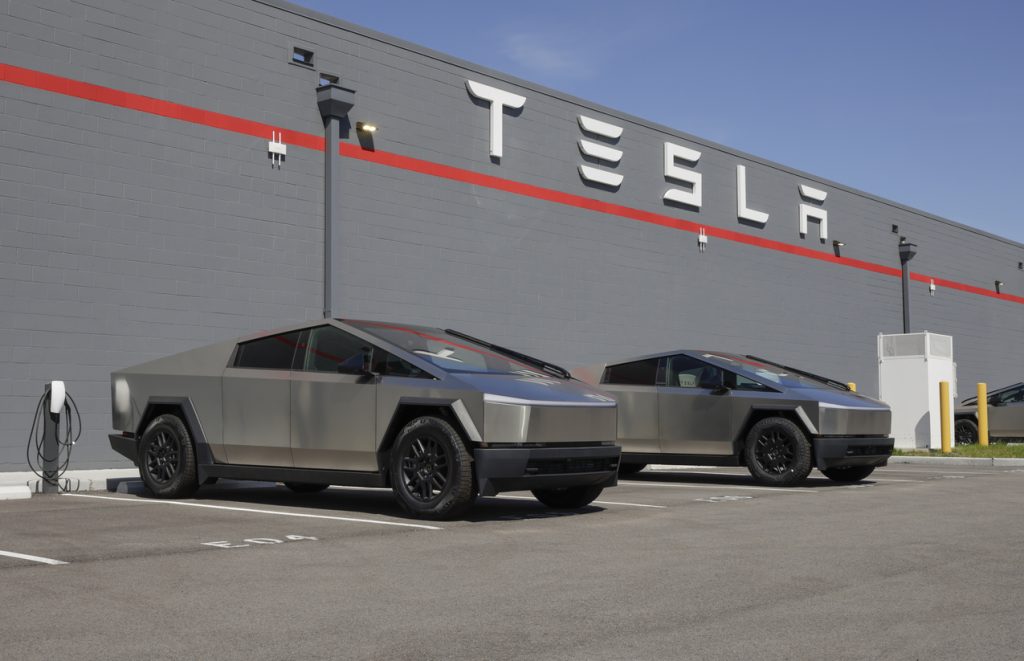
Electric vehicles for government in Nigeria are becoming a more practical option as public agencies look for ways to manage transport costs, reduce fuel dependence, and modernise their vehicle fleets.
For government ministries, departments, agencies and local authorities, however, switching from petrol or diesel vehicles is not simply a matter of buying electric cars. The vehicle has to fit the work. Officials may need to travel between offices, attend meetings across a city, visit project sites or make regular interstate journeys.
That makes fleet planning just as important as the vehicle itself.
Where Electric Vehicles Can Work Best in Government Fleets
Electric vehicles are particularly suitable for government vehicles that follow predictable daily routes.
For example, an agency operating several vehicles within Lagos could use EVs for:
- Office-to-office movement
- Administrative and official meetings
- Airport transfers
- Routine inspections within the city
- Staff shuttle operations
- Short-distance field visits
- Scheduled trips around government facilities
A vehicle that returns to the same office every evening is easier to charge than one that spends several days travelling between Lagos, Ibadan, Abuja and other locations.
This is an important distinction when planning a government fleet. Not every vehicle needs to be electric from day one.
Charging Infrastructure Has to Be Planned First
One of the biggest practical considerations is where government vehicles will charge.
An agency operating electric vehicles needs a reliable charging arrangement at its office, depot or other regular parking location. It also needs to understand how long vehicles will remain parked and whether charging can happen overnight or during working hours.
For a government fleet in Lagos, Abuja or another major city, the charging plan should consider:
- Number of vehicles
- Daily kilometres travelled
- Charging time
- Available electricity supply
- Backup power requirements
- Parking arrangements
- Access to public charging points when necessary
Without this planning, an agency can have vehicles that are technically suitable but difficult to operate efficiently.
What About Government Vehicles Travelling Between Cities?
Interstate travel requires more planning.
A government vehicle travelling from Lagos to Abuja, for example, needs a route plan that accounts for distance, charging availability, traffic, weather and unexpected delays. This is different from using an EV for daily trips around Ikeja, Victoria Island, Abuja Municipal Area Council or another defined operating area.
For longer journeys, government fleet managers should assess whether an electric vehicle can complete the route comfortably or whether another vehicle type is more appropriate.
This is where a mixed fleet can make sense: EVs for predictable urban duties and conventional or alternative transport arrangements for journeys where charging infrastructure is less convenient.
The Cost Question Is Bigger Than the Purchase Price
Government agencies often look at the upfront price of a vehicle, but fleet costs extend beyond procurement.
A proper assessment should consider:
- Fuel or electricity costs
- Routine maintenance
- Vehicle downtime
- Charging infrastructure
- Insurance
- Driver requirements
- Replacement parts
- Expected vehicle lifespan
- Daily utilisation
Electric vehicles generally have fewer moving mechanical components than conventional internal-combustion vehicles, which can affect maintenance requirements. However, charging infrastructure and battery-related considerations still need to be included in the total cost calculation.
For a large public fleet, even small differences in daily operating costs can become significant over time.
Start With the Routes, Not the Cars
Before purchasing electric vehicles for government operations, fleet managers should review how existing vehicles are actually being used.
A simple fleet assessment can identify:
- Which vehicles travel the most kilometres.
- Which routes are predictable.
- Which vehicles return to base every day.
- Which journeys require interstate travel.
- Where vehicles can be parked and charged.
- Which vehicles frequently remain unused for long periods.
This information makes it easier to determine where EVs can deliver the most practical value.
For agencies that need transport coordination, airport pickups, vehicle hire or regular business movement, using a transport and logistics provider can also reduce the need to purchase and manage every vehicle internally.
Government Fleet Electrification Will Need a Practical Approach
Electric vehicles for government in Nigeria have potential, but successful adoption will depend on more than replacing petrol vehicles with electric alternatives.
The strongest approach is likely to be gradual: identify suitable routes, test vehicles in real operating conditions, establish dependable charging arrangements and measure running costs before expanding the fleet.
For government departments and organisations that also need reliable transport, airport transfers, logistics coordination or vehicle hire, Travo.ng can support these requirements as part of a broader transport and mobility plan.
The goal should not simply be to own electric vehicles. It should be to build a government transport system that is reliable, cost-conscious and suitable for the realities of operating across Nigerian cities and travel corridors.
