


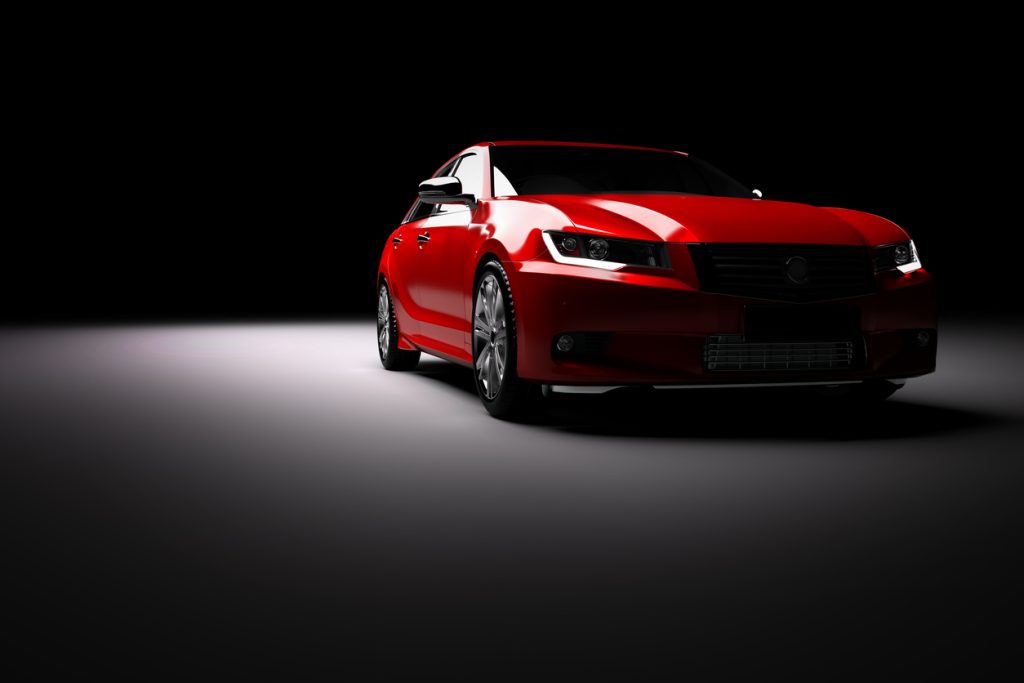
An electric sedan in Nigeria is becoming a practical option for drivers and businesses looking for quieter journeys, lower fuel dependence and modern city transport. While electric vehicles are still less common than petrol cars on Nigerian roads, interest is growing, particularly in Lagos and Abuja where charging infrastructure and private solar installations are becoming more visible.
For someone considering an electric sedan, the important question is not simply whether the car looks modern. You need to understand where you will drive it, how you will charge it and whether the available range fits your normal movement.
Where an Electric Sedan in Nigeria Makes the Most Sense
Electric sedans are particularly suitable for predictable city journeys.
A professional travelling daily between Lekki, Victoria Island and Ikoyi, for example, can plan charging more easily than someone regularly driving hundreds of kilometres between states.
They can work well for:
- Corporate staff transportation
- Airport pickups and drop-offs
- Daily executive movement
- Hotel-to-office transfers
- Ride-hailing and chauffeur services
- Household city transportation
- Short business appointments
An electric car also handles Lagos traffic differently from a conventional petrol vehicle. Instead of constantly burning fuel while crawling through congestion, an EV uses energy more efficiently during slow-moving urban journeys.
For businesses operating several vehicles, reducing exposure to unpredictable petrol prices can also make electric mobility worth considering.
Charging Should Be Planned Before Buying the Car
Charging is one of the biggest practical considerations.
Anyone buying an electric sedan should first decide where the vehicle will spend most nights. Having reliable charging at home, an office or a company parking facility makes ownership significantly easier.
A driver living in Lekki with a dedicated parking space and suitable electricity or solar installation, for instance, may charge overnight and begin each morning with enough range for normal Lagos movement.
Drivers who depend entirely on public charging stations need more careful planning.
Power supply also matters. Some Nigerian EV owners combine grid electricity with solar and inverter systems so charging does not depend completely on public power.
Before choosing a vehicle, check its charging requirements rather than assuming every charger will work with every electric car.
Think About Your Actual Daily Distance
Manufacturers normally advertise estimated driving ranges, but Nigerian road conditions can produce different results.
Heavy air-conditioning use, prolonged traffic, driving speed, passenger load and battery condition can all affect how far the vehicle travels between charges.
If your normal journey is Ikeja to Victoria Island and back, your requirements will be very different from someone travelling Lagos to Ibadan regularly.
Keep a comfortable battery reserve instead of planning journeys that depend on using almost 100% of the available range.
Interstate trips require even more preparation because charging options outside major cities remain less predictable.
Electric Sedans Can Reduce Everyday Running Costs
One attraction of electric vehicles is the absence of traditional fuel expenses.
EVs also have fewer moving engine components. There are no conventional engine oil changes, spark plugs or several other routine petrol-engine maintenance requirements.
That does not mean maintenance disappears.
Owners still need to budget for:
- Tyres
- Suspension repairs
- Air-conditioning servicing
- Brake components
- Electrical diagnostics
- Battery inspection
Parts availability should also influence your choice. Buying an unusual model without reliable technical support can become expensive when something needs replacing.
Using Electric Sedans for Business and Airport Transport
Businesses can also introduce electric cars gradually instead of replacing an entire fleet immediately.
An electric sedan can be assigned to executive movements, client pickups or scheduled journeys where mileage is predictable.
For example, a company might use one for transfers between a Lagos office, hotels around Victoria Island and Murtala Muhammed International Airport while keeping conventional vehicles available for long-distance assignments.
Travo.ng can assist customers and businesses with transport coordination, airport pickups, vehicle hire and other mobility requirements. This makes it easier to arrange transportation around specific journeys rather than managing every movement independently.
Is an Electric Sedan Right for Your Nigerian Lifestyle?
An electric sedan in Nigeria works best when your driving pattern and charging arrangements are predictable.
Before making the switch, calculate your average daily kilometres, identify where the vehicle will charge and confirm that maintenance support is available for the model you are considering.
For city commuting, corporate travel and scheduled airport movements, electric sedans can provide quiet, comfortable and efficient transportation. Combined with good journey planning and dependable charging, they are becoming a realistic addition to Nigeria’s changing transport landscape.
