


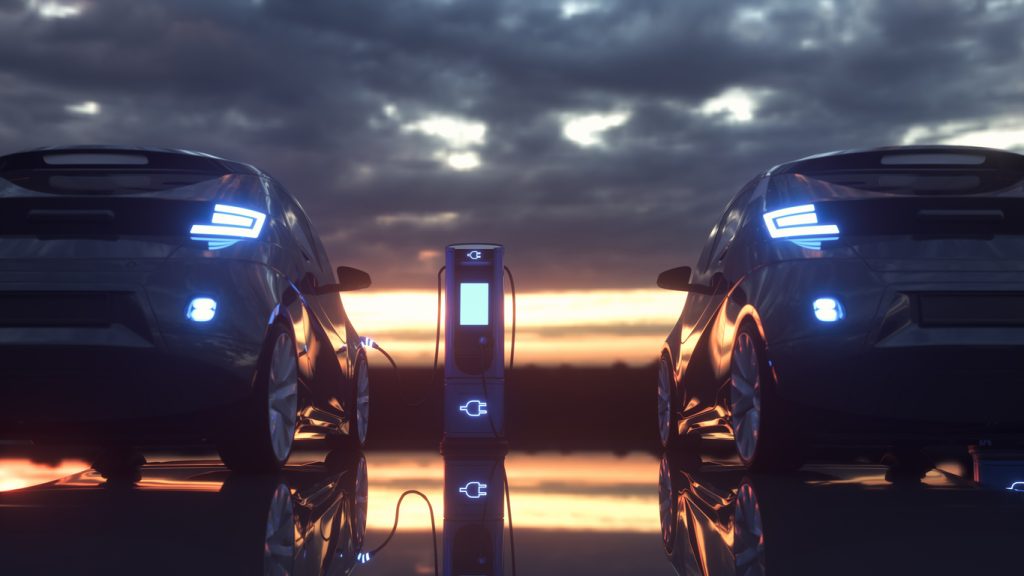
Interest in new electric cars in Nigeria is growing as fuel costs rise and more drivers look for alternatives that can be cheaper to run over time. Electric vehicles are no longer limited to imported luxury models. Nigerian buyers can now find compact city cars, family SUVs and premium EVs through local distributors.
The real question is whether a particular model fits your daily routes, charging access, budget and travel habits.
Electric car options Nigerians can actually find
BYD currently lists several models for the Nigerian market, including the Seagull, Yuan Up, Yuan Plus and Song Plus EV. Nigerian EV dealers also advertise models such as the BYD Seal, Atto 3, Dolphin, Han and Tang.
For buyers comparing price points, a Nigerian BYD seller recently listed the compact BYD Seagull at about ₦37.9 million and the 2026 BYD Song Plus at about ₦64.9 million. Prices can change quickly because of exchange rates, shipping costs, duties and specification differences, so confirm the final price before paying.
A smaller EV such as the Seagull can make sense for someone mainly driving around Lagos, Abuja or Port Harcourt. Larger SUVs suit families, executives or drivers who need more luggage and passenger space.
Charging matters more than the badge
Before buying an electric car, check where you will charge it.
For many Nigerian owners, home charging is the most practical arrangement. A driver living in Lekki, Ikeja, Gwarinpa or Maitama who can install a dedicated charger has a much easier ownership experience than someone relying completely on public charging.
Your electricity setup also matters. If home supply is unreliable, you may need to combine grid power with solar, an inverter system or another dependable source. This matters especially when the vehicle is used every day for school runs, office commuting or business appointments.
Drivers who regularly travel interstate should plan carefully. Lagos to Ibadan is easier to manage in many modern EVs than a longer Lagos to Abuja trip, where charging availability along the route becomes a serious concern.
Check range against your real routine
Do not buy based only on advertised driving range.
Air-conditioning, traffic, speed, passengers, road conditions and driving style can affect how far an EV travels on a charge. Lagos traffic also creates a different energy-use pattern from sustained highway driving.
Calculate how many kilometres you normally drive each week, then choose a vehicle with enough extra battery capacity so you are not operating close to the limit every day.
If your routine is mostly Victoria Island to Lekki, Wuse to Maitama or Ikeja to the airport, an EV can be relatively easy to manage with overnight charging.
Check after-sales support before paying
Battery technology is only part of EV ownership. Ask who handles diagnostics, software updates, replacement parts, battery checks and warranty claims.
Buying through an established local distributor can be safer than importing an unfamiliar model independently. Current Nigerian EV sellers advertise service support in Lagos, Abuja and Port Harcourt, but buyers should still confirm exactly what is covered.
Planning transport around an EV purchase
Buying an electric car may also involve moving the vehicle from a dealership, port or another city. Travo.ng can support transport coordination, vehicle movement, relocation logistics and related travel arrangements when customers need help getting a vehicle to its final location.
For anyone researching new electric cars in Nigeria, the best choice is not simply the newest model. It is the one that matches your charging reality, daily distance, service access and budget without making everyday transport more complicated.
