


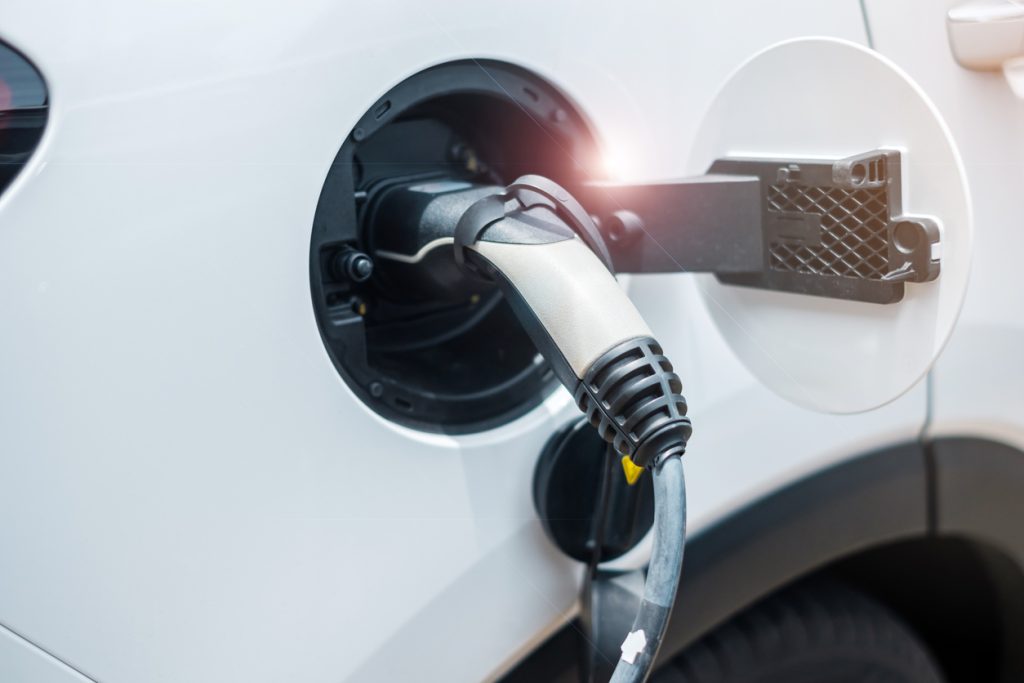
Installing a Car park EV charging station is becoming a practical consideration for Nigerian offices, residential estates, hotels, malls and commercial properties preparing for increased electric vehicle use.
The charger itself is only one part of the job. A successful installation requires power assessment, suitable parking spaces, electrical protection, equipment delivery and proper coordination between electricians, property managers and suppliers.
In busy locations such as Lagos and Abuja, even transporting chargers, cables, mounting equipment and electrical components to the site needs planning. Travo.ng can support these projects with equipment delivery, transport coordination and business logistics services.
Start With the Power Available at the Car Park
Before buying charging equipment, confirm how much electrical capacity the property can safely dedicate to EV charging.
A small office may only need one or two AC chargers for vehicles parked for several hours. A shopping centre, hotel or fleet depot may require several charging points and a more substantial electrical upgrade.
The site assessment should consider:
- Existing transformer and distribution-board capacity
- Distance between the electrical supply and parking bays
- Number of vehicles expected to charge
- How long vehicles normally remain parked
- Generator, solar or battery backup arrangements
- Space for future charging points
Installing more chargers than the electrical infrastructure can support creates avoidable problems. In some properties, starting with two charging bays while preparing cable routes for future expansion makes more operational sense.
Choosing the Right Parking Bays for EV Charging
A Car park EV charging station should not simply be installed wherever an empty parking space is available.
Charging bays close to the electrical room can reduce cabling requirements, but they must also remain accessible to drivers. Outdoor installations need equipment suitable for exposure to rain, heat and dust.
For commercial properties, it is also important to prevent ordinary petrol or diesel vehicles from constantly occupying designated EV spaces.
Clear markings, signs and sensible traffic flow help drivers identify charging points without disrupting normal parking operations.
Moving EV Charging Equipment to the Installation Site
Charging equipment may include wall-mounted chargers, pedestal units, cables, protective devices, mounting materials and electrical panels.
These components should arrive together and in usable condition. Missing one critical electrical component can leave technicians waiting on site while another delivery is arranged.
For projects in areas such as Lekki, Victoria Island, Ikeja, Abuja or Port Harcourt, delivery timing also matters. Sending bulky equipment into central Lagos during peak traffic can turn a straightforward delivery into several hours of delay.
Travo.ng can coordinate courier, cargo and vehicle delivery requirements so equipment reaches the installation location according to the project schedule.
What Businesses Should Plan Before Installation Day
Commercial installations normally involve more coordination than residential charging points.
Before technicians arrive, property managers should confirm:
- The charging bays have been approved.
- Electrical assessments are completed.
- Chargers and accessories are already available.
- Cable routes will not obstruct vehicles or pedestrians.
- Building management has authorised electrical work.
- Access is available for installation vehicles and technicians.
Hotels and offices should also decide whether charging will be free, staff-only, customer-only or billed separately.
These decisions are easier to make before equipment is installed than after drivers begin using the facility.
Solar and Backup Power Need Proper Planning
Nigeria’s electricity situation means property owners often ask whether EV chargers can operate from solar systems, batteries or generators.
They can form part of the property’s energy arrangement, but the available power must match the charging load.
For example, adding several EV chargers to a building already running air conditioners, lifts, refrigeration and office equipment can significantly increase demand.
A qualified electrical professional should calculate the expected load rather than assuming an existing inverter or solar installation can automatically handle vehicle charging.
Coordinating a Car Park EV Charging Station Project
Installing charging infrastructure involves more than purchasing a charger online.
Equipment has to be sourced, transported, received, positioned and coordinated with the people carrying out the electrical work. Larger projects may also involve several deliveries from different suppliers.
Travo.ng helps businesses manage the logistics side of these projects through cargo movement, delivery coordination, vehicle hire and business logistics support.
Whether the project involves a single workplace charger or multiple charging bays across a commercial property, proper planning helps reduce installation delays and unnecessary transport costs.
A well-positioned Car park EV charging station can make a property more useful for EV drivers today while preparing the facility for increasing electric vehicle adoption in Nigeria.
