


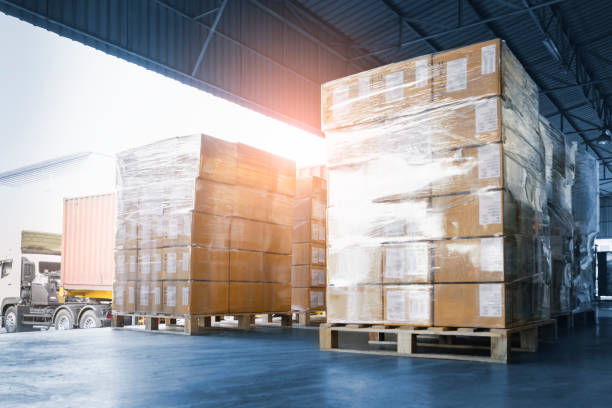
A China export forwarding service helps businesses move goods from Chinese suppliers to customers and importers overseas. Instead of dealing separately with factory collection, warehouse handling, export documentation, customs procedures and international freight, an export forwarder coordinates these stages as one logistics process.
This is useful for businesses buying from Alibaba, 1688, Taobao, Yiwu markets or directly from manufacturers in China.
How China Export Forwarding Works
The process normally starts when the forwarder receives details about the goods, suppliers and destination.
- Supplier coordination
The forwarder communicates with suppliers and confirms when the goods are ready for collection or delivery to a designated warehouse. - Cargo collection and receiving
Goods can be collected from factories or delivered to a China warehouse. Packages are usually recorded, weighed and measured before shipping. - Inspection and consolidation
When buying from multiple suppliers, the cargo can be consolidated into a single shipment. Repacking may also be arranged to improve packaging or reduce unnecessary volume. - Export documentation
Commercial invoices, packing lists, product information and other required documents are prepared or reviewed for the export process. - Customs and freight booking
The shipment is prepared for Chinese export customs procedures and booked with an appropriate carrier. - International transportation
Cargo is shipped by air or sea depending on its size, urgency, destination and budget.
Air Freight or Sea Freight?
Air freight is generally suitable for smaller shipments or goods that need faster transportation. It can be useful for samples, fashion products, electronics and other relatively compact cargo.
Sea freight is normally more suitable for heavy, bulky or larger commercial shipments. LCL allows smaller cargo volumes to share container space, while FCL is appropriate when the shipment is large enough to require a dedicated container.
The right option should be based on the total logistics cost rather than the freight rate alone.
What Affects Export Forwarding Costs?
The final cost can depend on:
- Cargo weight and dimensions
- Number and location of suppliers
- Domestic transportation within China
- Warehouse handling and storage
- Repacking and consolidation
- Freight method
- Destination country and port
- Customs and documentation requirements
- Final delivery arrangements
Accurate product descriptions and cargo measurements are important because incorrect information can create delays or additional charges.
Choosing a China Export Forwarder
Before choosing a forwarding service, check whether it can handle your type of cargo and destination. Ask about supplier collection, warehouse receiving, consolidation, export documentation, customs procedures, tracking and available air or sea freight options.
It is also important to understand which charges are included in the quotation and which costs may be payable separately at the destination.
How Travo.ng Can Help
Travo.ng can help coordinate the logistics involved in exporting goods from China, including supplier collection, warehouse coordination, cargo consolidation, repacking and international freight planning.
For Nigerian and other African importers, this can make it easier to manage purchases from multiple Chinese suppliers and move them through one organized shipping process.
Whether you are importing wholesale merchandise, electronics, furniture, machinery or other commercial goods, proper export forwarding can help keep your cargo organized from the supplier in China to its final destination.
