


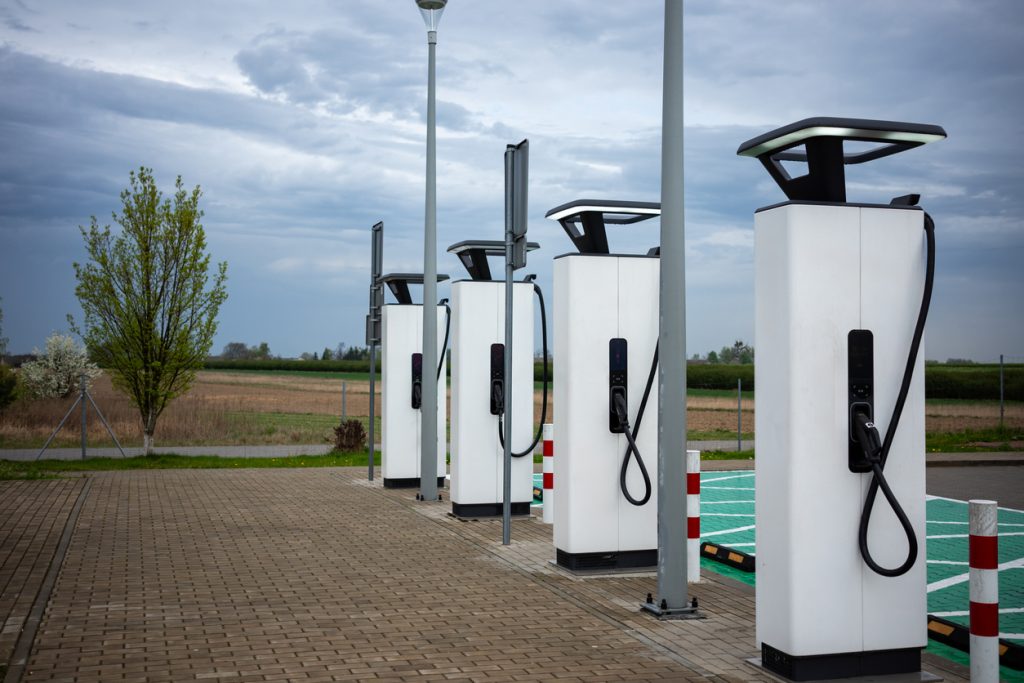
As electric vehicles gradually become more common in Nigeria, companies are starting to think beyond generators, fuel cards and conventional staff parking. One practical upgrade is EV charging for office car park facilities, especially for businesses with corporate vehicles, executive cars or employees already moving to electric models.
Installing chargers at an office, however, is not simply about buying a charging unit and fixing it to a wall. Power availability, parking arrangements, cable routing, vehicle usage and future demand all need to be considered.
Travo.ng can support businesses coordinating EV charging projects alongside vehicle movement, equipment delivery, logistics and other operational requirements.
Start With How the Office Car Park Is Actually Used
Before choosing charging equipment, look at how vehicles move through the premises.
A Lagos office where staff arrive around 8 a.m. and remain parked until 5 p.m. has very different charging needs from a logistics facility where company vehicles enter and leave throughout the day.
Important questions include:
- How many electric vehicles currently use the car park?
- How long does each vehicle normally remain parked?
- Will chargers be reserved for company vehicles or shared with staff?
- Is charging required overnight?
- How many additional EVs could the business introduce within two or three years?
Installing one charger without considering future demand can create another costly upgrade sooner than expected.
Power Supply Can Determine the Entire Charging Plan
For many Nigerian offices, electricity availability is the biggest practical issue.
An office building in Ikeja, Victoria Island, Lekki or Abuja may already be balancing grid power, generators, solar systems, inverters and air-conditioning loads. Adding several EV chargers increases the electrical demand.
A proper assessment should determine whether the building’s existing electrical infrastructure can safely support the proposed chargers.
For vehicles parked for six to nine hours during the working day, slower workplace charging may be perfectly adequate. Businesses operating fleet vehicles that need faster turnaround may require higher-capacity equipment.
The correct solution depends on usage rather than simply choosing the fastest charger available.
Where Chargers Are Positioned Makes a Difference
Poor charger positioning can turn a useful installation into an everyday inconvenience.
Charging bays should ideally be located where cables do not obstruct pedestrian routes or normal vehicle circulation. Drivers should also be able to enter and leave the charging spaces without complicated manoeuvring.
For larger corporate premises, it may make sense to dedicate several clearly marked EV bays instead of allowing any vehicle to occupy charging spaces.
Outdoor installations also need equipment suited to local weather conditions. Heavy Lagos rainfall, heat, dust and exposure should all be considered when planning the installation.
Think Beyond Today’s Two or Three Electric Cars
One common mistake is designing workplace EV charging around the number of electric vehicles currently in the organisation.
If a company has two EVs today but intends to replace part of a 20-car corporate fleet over the next few years, infrastructure should be planned with expansion in mind.
That could mean preparing electrical capacity, cable routes or parking spaces for additional chargers even if those units are not installed immediately.
Planning ahead is generally easier than repeatedly reopening paved areas, modifying distribution boards or rearranging the car park.
Businesses Also Need to Decide Who Pays for Charging
Workplace charging policies should be clear from the beginning.
Some businesses provide free charging for corporate vehicles and senior staff. Others may eventually need systems capable of recording electricity consumption by vehicle or user.
A company operating delivery or administrative vehicles may also want charging records linked to fleet management so it can understand energy consumption and operating costs.
Clear access rules prevent situations where private vehicles occupy chargers needed by operational fleet vehicles.
Coordinating EV Charging for Office Car Park Projects With Travo.ng
Setting up EV charging for office car park facilities can involve more than electrical installation. Charging equipment may need to be sourced, transported and delivered securely, while vehicles, technicians and other project resources have to be coordinated around normal business operations.
Travo.ng can assist businesses with practical logistics connected to these projects, including equipment movement, vehicle coordination, corporate transport and related business logistics support.
For offices expanding into electric mobility, the most effective approach is to plan charging around actual vehicle movements, available power and future fleet requirements.
A well-planned workplace charging system should allow employees and company vehicles to park, charge and return to the road without creating another operational headache for the business.
