


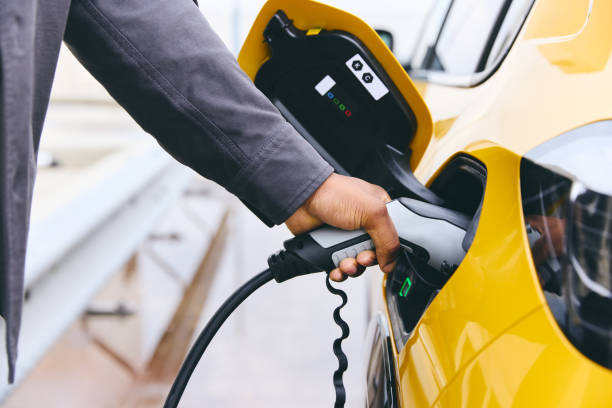
EV charging station installation is becoming a practical consideration for Nigerian businesses, fleet operators, hotels, estates and organisations preparing for wider electric vehicle use.
The decision involves much more than buying a charger and mounting it beside a parking space. Power capacity, charger type, vehicle compatibility, installation safety, site access and backup electricity all affect whether the station will work reliably.
This is particularly important in cities such as Lagos and Abuja, where electric mobility infrastructure is developing and more commercial locations are beginning to accommodate EV users. Nigeria’s federal clean-mobility programme now specifically includes the development of electric vehicles and charging infrastructure.
Start With the Cars You Actually Expect to Charge
A household charging one private EV has very different requirements from a hotel, office complex or transport company expecting several vehicles every day.
Before installation, determine:
- How many vehicles will use the charger
- Their charging-port compatibility
- How long vehicles normally remain parked
- Whether charging is mainly overnight or during business hours
- Whether customers or only company vehicles will use the station
A residential property may be comfortable with slower AC charging because the vehicle can remain connected overnight. Commercial fleet operations usually need faster turnaround and may justify higher-capacity equipment.
Installing an oversized charger without sufficient power supply can create unnecessary cost. Installing one that is too small can quickly cause queues when usage increases.
Check the Power Supply Before Ordering Equipment
One of the biggest EV charging station installation mistakes in Nigeria is choosing the charger before assessing the property.
An electrical professional should check the building’s available load, distribution board, cabling, protection systems, earthing and the distance between the power source and proposed charging bays.
Nigeria’s electrical installations are subject to technical inspection, testing and certification requirements overseen by the Nigerian Electricity Management Services Agency.
Power reliability also matters.
A Lagos hotel, Lekki residential estate or Abuja fleet depot that experiences frequent outages may need a hybrid arrangement involving grid electricity, solar generation, batteries or another dependable backup system. Solar-plus-storage is already being considered by Nigerian charging operators where grid reliability is insufficient.
Where You Position the Charger Affects Daily Operations
The cheapest installation point is not always the most practical.
A charger located close to the electrical supply may reduce cabling work, but vehicles must still be able to enter, park, charge and leave without blocking normal traffic.
For commercial sites, consider security, drainage, lighting and protection from accidental vehicle impact.
Hotels and shopping centres should also think about whether conventional petrol vehicles could occupy charging bays during busy periods. Fleet depots need enough manoeuvring space for drivers to connect vehicles without disrupting dispatch operations.
Equipment Delivery Can Become Part of the Project Challenge
Chargers, electrical cabinets, protective equipment and supporting components may arrive from different suppliers or ports.
This is where Travo.ng can support businesses with cargo logistics, equipment transportation, delivery coordination and vehicle hire during the installation project.
For equipment arriving through Lagos ports, planning onward movement to sites in Ikeja, Victoria Island, Lekki, Abuja or other cities helps prevent technicians arriving before the necessary hardware.
Commercial projects may also require coordinated deliveries so expensive electrical equipment does not remain unsecured on site unnecessarily.
Plan for Expansion Instead of Installing for Today Only
A company operating three EVs today may operate ten later.
Where practical, prepare cable routes, parking layout and electrical capacity for additional chargers during the original project. Expanding an existing installation is usually easier when future requirements were considered from the beginning.
Nigeria’s charging market is still developing, but infrastructure investment is increasingly concentrating around Lagos, Abuja and commercial transport applications.
For businesses planning EV charging station installation, Travo.ng can help coordinate equipment movement, site deliveries, transport requirements and other logistics surrounding the project. Good charging infrastructure starts with the right electrical design, but dependable logistics and realistic site planning are equally important when turning that design into a working facility.
