


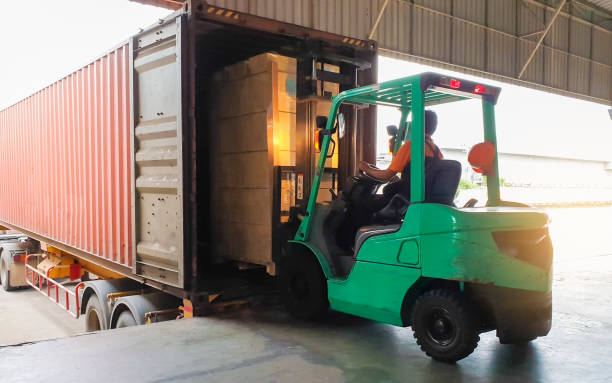
Exporting goods from China involves more than buying products and arranging transportation. You need to prepare the cargo, confirm the correct export documentation, complete customs procedures, choose suitable international freight, and arrange delivery at the destination.
Whether you are exporting from Guangzhou, Shenzhen, Yiwu, Shanghai, Ningbo, or another Chinese trading centre, proper planning can make the process smoother.
How to Export Goods from China
- Find a reliable supplier: Confirm the product specifications, quantity, price, packaging, and production schedule with your Chinese supplier.
- Check whether the goods can be exported: Some products may require additional licences, permits, certificates, or special handling. Confirm these requirements before paying for the shipment.
- Prepare your commercial documents: Common documents include a commercial invoice, packing list, sales contract, and applicable licences or certificates. The information should accurately describe the goods.
- Send the goods to a warehouse: If you are buying from several suppliers, you can have the orders delivered to a China warehouse for receiving, checking, and consolidation before export.
- Arrange export customs clearance: The exporter or an appointed customs broker submits the required declaration information to Chinese Customs. Proper product descriptions, values, specifications, and classification are important for the declaration process.
- Choose your international shipping method: Select air freight, sea freight, or another suitable method based on the cargo size, destination, budget, and delivery deadline.
- Complete destination customs clearance: Once the shipment reaches the destination country, the importer must follow the local customs and tax requirements before the goods can be released.
- Arrange final delivery: After clearance, the cargo can be delivered to your warehouse, shop, distribution centre, or other final destination.
Air Freight or Sea Freight?
Air freight is suitable for smaller, urgent, or higher-value shipments where delivery speed is important.
Sea freight is generally more economical for larger and heavier cargo. LCL can be used when the shipment does not fill a container, while FCL is suitable for larger volumes.
For businesses exporting regularly, comparing the complete landed cost rather than only the international freight rate can help prevent unexpected expenses.
Documents You May Need
Depending on the product and destination, your shipment may require:
- Commercial invoice
- Packing list
- Sales contract
- Export customs declaration
- Bill of lading or air waybill
- Certificate of origin where applicable
- Export licence or product-specific certificates where required
The exact requirements depend on the goods, exporter, shipping method, and destination country.
How Travo.ng Can Help
Travo.ng can help coordinate the logistics involved in exporting goods from China, including supplier collection, China warehouse receiving, cargo consolidation, freight planning, and international delivery arrangements.
If you are sourcing from multiple suppliers, Travo.ng can help organize the different orders before they are shipped internationally. This can make cargo management easier and help you choose between air freight and sea freight based on your shipment requirements.
Before arranging export, prepare the product description, quantity, weight, dimensions, supplier location, and destination address. Accurate information makes it easier to plan the shipment and handle the required logistics procedures.
