


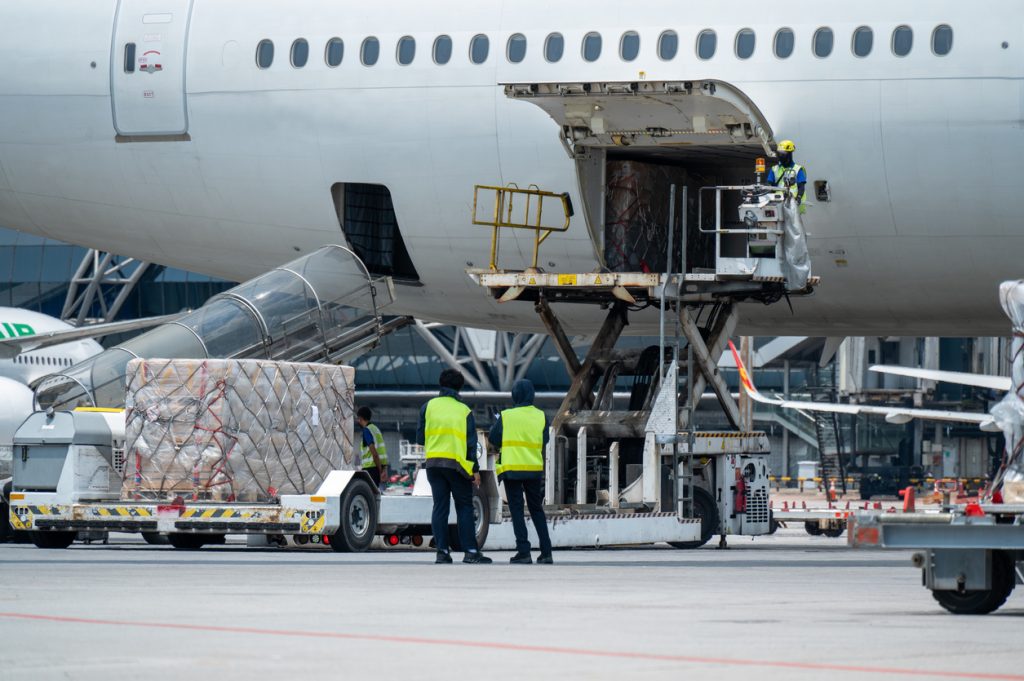
Shipping cargo from China to Saudi Arabia is a common option for businesses importing electronics, machinery, furniture, clothing, spare parts, and other products. Cargo can move from major Chinese sourcing centres such as Guangzhou, Shenzhen, Yiwu, Shanghai, and Ningbo to destinations including Riyadh, Jeddah, and Dammam.
The right shipping method depends on your cargo size, urgency, product type, and budget.
How China Cargo to Saudi Arabia Works
A typical shipment involves several stages:
- Purchase and supplier collection: Goods are ordered from Chinese suppliers and collected or delivered to a designated warehouse.
- Cargo inspection and preparation: Packages can be checked, weighed, measured, labelled, and repacked where necessary.
- Consolidation: Orders from different suppliers can be combined into one shipment, which can make international freight management easier.
- International transportation: Cargo is shipped by air or sea depending on the required delivery time and shipment size.
- Saudi customs clearance: Imported goods must go through the appropriate customs procedures and documentation checks.
- Final delivery: After clearance, cargo can be transported to a warehouse, business address, or other destination in Saudi Arabia.
Air Freight or Sea Freight?
Air freight is suitable for urgent shipments, smaller cargo, and goods where speed is more important than the lowest freight cost. Depending on the service and route, air cargo can reach Saudi Arabia within several days.
Sea freight is usually more practical for larger or heavier shipments. Importers can use LCL for smaller volumes or FCL when there is enough cargo to fill a container. Transit times vary by route, carrier, port conditions, and customs processing.
Jeddah is an important gateway for cargo entering western Saudi Arabia, while Dammam serves the eastern part of the country. Riyadh can be reached through inland transportation after the cargo arrives through an appropriate gateway.
Saudi Customs and Documentation
Before shipping, make sure the product description, commercial invoice, packing information, declared value, and HS code are accurate. Some products may also require conformity documentation through Saudi Arabia’s applicable product compliance systems.
Import duties and the 15% VAT should also be considered when calculating the total landed cost of your goods. Products with special regulatory requirements may need additional documentation before shipment.
What Affects China to Saudi Shipping Costs?
The total cost can depend on:
- Cargo weight and volume
- Air, LCL, or FCL shipping
- Pickup location in China
- Destination in Saudi Arabia
- Product category and HS code
- Packaging and warehouse handling
- Customs duties and taxes
- Final-mile delivery requirements
Rather than comparing only the basic freight rate, ask for the full shipping cost so you can accurately calculate your import expenses.
How Travo.ng Can Help
Travo.ng can help coordinate China-to-Saudi cargo arrangements, including freight planning, supplier collection, consolidation, cargo handling, and delivery coordination.
If you are buying from multiple Chinese suppliers, consolidating suitable orders before international shipping can simplify the process and potentially reduce unnecessary shipment costs.
Before requesting a shipment arrangement, have your cargo details ready, including the supplier location, number of packages, approximate weight and dimensions, product type, and delivery city in Saudi Arabia. This makes it easier to determine the most suitable shipping option.
