


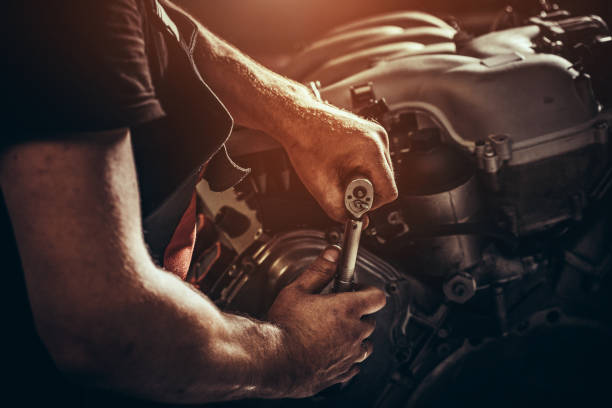
Diesel technician certification in Nigeria can help mechanics formally develop and demonstrate skills in diagnosing, servicing, maintaining and repairing diesel engines and heavy-duty vehicles. Certified diesel technicians can pursue opportunities with transport companies, logistics businesses, construction companies, mining operations, fleet operators, workshops and industrial organisations.
Diesel technology covers much more than basic engine repairs. Modern diesel technicians may work with fuel-injection systems, turbochargers, electronic engine controls, cooling systems, transmissions and computerised diagnostic equipment.
What Is Diesel Technician Certification?
Diesel technician certification is formal recognition of technical training or competency in diesel-engine maintenance and repair.
Training can cover:
- Diesel engine servicing
- Engine overhaul
- Fuel-injection systems
- Turbochargers
- Cooling systems
- Lubrication systems
- Diesel electrical systems
- Engine diagnostics
- Preventive maintenance
- Fault finding
- Heavy-duty vehicle maintenance
A strong certification combined with practical workshop experience can improve a technician’s employment prospects.
NABTEB Diesel and Motor Vehicle Training
NABTEB provides technical and vocational examination routes relevant to people pursuing mechanical careers in Nigeria. Motor Vehicle Mechanics is among its recognised technical trades, providing a foundation for technicians working with vehicle engines and mechanical systems.
Candidates can progress from technical training into practical workshop employment and additional specialist diesel training.
National Skills Qualification for Diesel Technicians
The National Skills Qualification framework provides competency-based qualifications designed to recognise practical technical skills.
For mechanics, competency-based training can be useful because diesel maintenance requires the ability to perform practical tasks safely and correctly, not just understand mechanical theory.
A technician who has learned through apprenticeship or workplace training may consider an appropriate skills qualification route to formally validate their competence.
Diesel Mechanic Training
Diesel technician training can be obtained through:
- Technical colleges
- Vocational training centres
- Automotive training institutions
- Apprenticeships
- Approved skills-acquisition programmes
- Specialist diesel training
- Manufacturer training programmes
Practical training should provide experience working on real diesel engines and components.
Diesel Engine Technician Certification
A diesel engine technician should understand how the major engine systems work together.
Important areas include:
- Engine blocks
- Cylinder heads
- Pistons
- Crankshafts
- Camshafts
- Valves
- Fuel systems
- Injectors
- Turbochargers
- Cooling systems
- Lubrication systems
- Exhaust systems
Technicians should also understand how to inspect components, identify faults and carry out repairs correctly.
Diesel Diagnostic Technician Certification
Modern diesel engines increasingly use electronic control systems.
Diagnostic training can cover:
- Electronic control modules
- Engine sensors
- Diagnostic fault codes
- Fuel-system diagnostics
- Electronic engine controls
- Wiring systems
- Communication systems
- Computerised diagnostic tools
- Engine-performance testing
These skills can be particularly valuable for technicians working on newer trucks, buses and commercial vehicles.
Heavy-Duty Diesel Technician Certification
Technicians interested in trucks and commercial vehicles can specialise in heavy-duty diesel maintenance.
Training may cover:
- Heavy-duty engines
- Truck transmissions
- Differential systems
- Air-brake systems
- Steering systems
- Suspension systems
- Electrical systems
- Cooling systems
- Fleet maintenance
- Preventive maintenance
This can prepare technicians for work with transport and logistics companies operating large vehicle fleets.
Diesel Technician Certification for Construction Equipment
Diesel technicians can also specialise in construction and earthmoving equipment.
Potential equipment includes:
- Excavators
- Wheel loaders
- Bulldozers
- Motor graders
- Cranes
- Rollers
- Dump trucks
- Forklifts
- Mining equipment
Experience with equipment brands such as Caterpillar, Komatsu, JCB, Hitachi, Liebherr, Doosan, XCMG and SANY can be valuable for specialised heavy-equipment positions.
Diesel Technician Certification for Trucks
Truck mechanics require knowledge of both diesel engines and heavy vehicle systems.
A certified truck technician may work on:
- Engine systems
- Fuel injection
- Turbochargers
- Cooling systems
- Transmissions
- Clutches
- Differentials
- Brakes
- Suspension
- Steering
- Electrical systems
Truck experience can open opportunities with haulage companies, logistics businesses, transport operators and fleet-management companies.
Diesel Electrical Training
Diesel technicians should understand electrical and electronic systems because modern engines depend on electrical components for monitoring and control.
Useful skills include:
- Battery testing
- Alternator testing
- Starter systems
- Wiring
- Sensors
- Electronic control modules
- Charging systems
- Starting systems
- Electrical fault diagnosis
Combining diesel mechanical skills with electrical diagnostics can make a technician more versatile.
Hydraulic Training for Diesel Technicians
Technicians working on heavy equipment may also benefit from hydraulic training.
Important areas include:
- Hydraulic pumps
- Hydraulic motors
- Hydraulic cylinders
- Control valves
- Hydraulic hoses
- Pressure testing
- Hydraulic filters
- Leak detection
- Hydraulic fault diagnosis
This is particularly useful for technicians working on excavators, loaders, cranes and other construction machinery.
Requirements for Diesel Technician Certification
Requirements depend on the certification or training programme.
Candidates may need:
- Technical education
- Vocational training
- Apprenticeship experience
- Practical workshop experience
- Relevant examination registration
- Practical assessment
- Technical knowledge
- Basic mathematics and science knowledge
Previous mechanical experience can be helpful for advanced diesel technician programmes.
How to Become a Certified Diesel Technician in Nigeria
A practical pathway is:
- Learn the fundamentals of mechanical engineering and diesel engines.
- Attend a recognised technical or vocational programme.
- Gain hands-on workshop experience.
- Obtain a relevant technical qualification or competency certification.
- Develop diesel diagnostic skills.
- Learn automotive electrical systems.
- Gain experience working on trucks or heavy equipment.
- Take specialist manufacturer or equipment training where available.
- Build a strong professional CV.
- Continue upgrading your technical skills.
Diesel Technician Certification in Lagos
Lagos provides opportunities for diesel technicians because of its large commercial-transport, logistics, construction and fleet-maintenance sectors.
Technicians can seek experience with:
- Truck workshops
- Fleet maintenance companies
- Transport companies
- Logistics companies
- Construction companies
- Heavy-equipment workshops
- Generator maintenance companies
- Industrial maintenance companies
- Automobile dealerships
Areas with significant commercial and industrial activity can provide opportunities for technicians to gain hands-on experience with diesel-powered vehicles and machinery.
Skills Employers Look For
Employers hiring diesel technicians may look for:
- Diesel engine repair
- Engine diagnostics
- Fuel-system knowledge
- Injector servicing
- Turbocharger knowledge
- Electrical diagnostics
- Transmission repair
- Preventive maintenance
- Heavy-duty vehicle maintenance
- Hydraulic knowledge
- Computerised diagnostics
- Troubleshooting
- Workshop safety
- Technical manual interpretation
Diesel Technician Jobs After Certification
Certified diesel technicians can apply for positions such as:
- Diesel Technician
- Diesel Mechanic
- Heavy-Duty Diesel Technician
- Truck Mechanic
- Fleet Technician
- Heavy Equipment Technician
- Plant Mechanic
- Field Service Technician
- Engine Technician
- Diagnostic Technician
- Workshop Technician
- Maintenance Technician
- Senior Diesel Technician
What to Put on Your CV
Your CV should clearly show your certification, practical experience and areas of specialisation.
For example:
Qualifications
- Technical Certificate in Motor Vehicle Mechanics
- Diesel Engine Maintenance Training
- Automotive Electrical Training
- Computerised Diagnostic Training
Technical Skills
- Diesel engine diagnostics
- Fuel-injection systems
- Engine overhaul
- Turbocharger servicing
- Electrical troubleshooting
- Preventive maintenance
- Heavy-duty vehicle maintenance
- Fleet servicing
Also list the brands and equipment you have worked on.
Diesel Technician Certification vs Practical Experience
Certification can strengthen your professional profile, but diesel mechanics are highly practical professionals.
The strongest combination is:
Certification + apprenticeship/workshop experience + diesel diagnostics + electrical skills + specialist heavy-duty training.
Employers want technicians who can identify faults accurately and complete repairs safely and efficiently.
Career Progression
A diesel technician can progress through:
Apprentice → Junior Diesel Mechanic → Certified Diesel Technician → Senior Diesel Technician → Diagnostic Specialist → Lead Technician → Workshop Supervisor → Workshop Manager → Fleet Maintenance Manager
Technicians can also specialise in:
- Truck diesel systems
- Heavy equipment
- Mining equipment
- Engine diagnostics
- Fuel injection
- Automotive electrical systems
- Fleet maintenance
- Field service
- Industrial diesel engines
What Travo.ng Can Do
Travo.ng provides transportation, mobility and logistics solutions for individuals and businesses. Reliable vehicles and properly maintained equipment are important for efficient transportation and logistics operations.
Skilled diesel technicians help reduce vehicle downtime, maintain fleet reliability and support efficient business operations.
Why Choose Travo.ng?
Travo.ng focuses on practical transportation and logistics solutions designed around the needs of individuals and businesses.
Reliable transportation operations depend on properly maintained vehicles and competent technical personnel. Travo.ng understands the importance of dependable mobility and operational reliability.
Final Thoughts
Diesel technician certification in Nigeria can provide a strong foundation for a career in truck maintenance, fleet servicing, construction equipment, transportation and industrial machinery.
For better career prospects, technicians should combine recognised technical certification with practical workshop experience and specialist skills in diesel diagnostics, automotive electrical systems, hydraulics and heavy-duty vehicle maintenance.
