


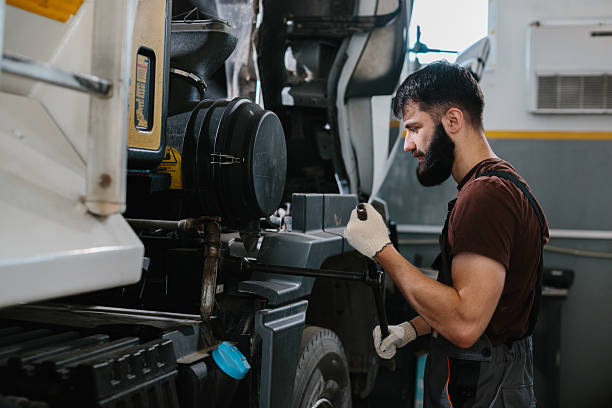
Buses are essential for public transportation, staff transportation, school transport, logistics and long-distance travel across Nigeria. Because buses operate frequently and carry many passengers, transport companies need skilled technicians to keep their fleets safe, reliable and roadworthy.
Bus maintenance technician jobs are suitable for diesel mechanics, automotive technicians, heavy-duty mechanics and vehicle maintenance professionals with practical experience working on buses, trucks or commercial vehicles.
Recent Nigerian recruitment listings show demand for technicians capable of maintaining buses and fleet vehicles, including work involving diesel engines, transmissions, brakes, suspension, electrical systems, diagnostics and preventive maintenance.
What Does a Bus Maintenance Technician Do?
A bus maintenance technician is responsible for inspecting, servicing, diagnosing and repairing buses.
Typical duties include:
- Performing routine vehicle inspections
- Carrying out preventive maintenance
- Diagnosing mechanical faults
- Servicing diesel engines
- Repairing transmissions and gearboxes
- Maintaining braking systems
- Repairing suspension systems
- Troubleshooting electrical faults
- Maintaining air and pneumatic systems
- Checking steering systems
- Responding to roadside breakdowns
- Recording maintenance activities
The goal is to keep buses safe, reliable and available for daily operations.
Types of Buses You May Work On
Depending on the employer, technicians may maintain:
- City buses
- Staff buses
- School buses
- Luxury coaches
- Intercity buses
- High-capacity buses
- Shuttle buses
- Airport buses
- Commercial passenger buses
Experience with heavy-duty trucks can also be valuable because many of the mechanical systems are similar.
Diesel Engine Skills Are Important
Many commercial buses use diesel engines, making diesel-engine knowledge one of the most important skills for a bus technician.
Useful skills include:
- Diesel engine servicing
- Engine diagnostics
- Fuel-system troubleshooting
- Injector testing
- Turbocharger inspection
- Cooling-system maintenance
- Lubrication systems
- Engine overhaul
- Electronic engine management
A previous Nigerian bus-maintenance position required technicians to understand engine overhauls across different bus brands.
Transmission and Gearbox Repairs
Bus technicians may work on both manual and automatic transmission systems.
Responsibilities can include:
- Gearbox inspection
- Clutch repairs
- Clutch adjustment
- Transmission servicing
- Drivetrain inspection
- Gear-shifting diagnosis
- Transmission component replacement
Strong transmission knowledge is valuable because commercial buses can experience significant drivetrain wear due to frequent operation.
Brake and Air Systems
Bus braking systems are critical safety components.
Technicians may work on:
- Air brakes
- Hydraulic brakes
- Brake chambers
- Brake pads
- Brake drums
- Brake discs
- Air compressors
- Air lines
- Valves
- ABS systems
Some Nigerian bus technician vacancies specifically require experience with air and pneumatic braking systems.
Suspension and Steering
A bus technician should also understand suspension and steering systems.
Common maintenance tasks include:
- Shock absorber replacement
- Spring inspection
- Bush replacement
- Wheel-bearing inspection
- Steering-system repairs
- Alignment checks
- Suspension fault diagnosis
Proper suspension and steering maintenance helps improve passenger comfort, vehicle stability and road safety.
Electrical and Diagnostic Skills
Modern buses contain increasingly sophisticated electrical and electronic systems.
Useful skills include:
- Battery testing
- Alternator diagnosis
- Starter-motor repairs
- Wiring troubleshooting
- Lighting-system repairs
- Sensor diagnosis
- ECU diagnostics
- Fault-code interpretation
- Diagnostic scanner use
Current fleet technician roles in Lagos also request knowledge of vehicle electrical and charging systems and experience using diagnostic tools.
Preventive Bus Maintenance
Preventive maintenance is essential for commercial bus fleets.
A maintenance programme may include:
- Engine oil and filter replacement.
- Inspection of cooling systems.
- Fuel-system checks.
- Brake inspection.
- Tyre inspection.
- Suspension checks.
- Battery testing.
- Transmission inspection.
- Electrical-system checks.
- General roadworthiness inspection.
Fleet maintenance schedules help identify problems before they result in major breakdowns.
Fleet Maintenance
Bus technicians often work as part of a larger fleet-maintenance team.
Responsibilities can include:
- Inspecting buses before deployment
- Scheduling routine servicing
- Repairing defective vehicles
- Responding to breakdowns
- Tracking maintenance history
- Requesting spare parts
- Recording repair costs
- Returning repaired buses to service
The ability to keep downtime low is particularly important in transport operations.
Roadside and Emergency Repairs
Bus maintenance technicians may be required to respond to breakdowns outside the workshop.
A roadside repair can involve:
- Inspecting the vehicle
- Diagnosing the fault
- Carrying appropriate tools
- Carrying out temporary or permanent repairs
- Testing the bus
- Arranging recovery when necessary
- Documenting the incident
Current Nigerian fleet technician roles include emergency breakdown and roadside repair responsibilities.
What Qualifications Do Bus Technicians Need?
Requirements vary between employers.
Common qualifications include:
- OND Mechanical Engineering
- HND Mechanical Engineering
- Automotive Technology
- Motor Vehicle Mechanics
- Technical college training
- Trade Test certification
- NABTEB technical certification
- Heavy-duty vehicle training
- Practical apprenticeship experience
Some employers accept technical certificates or Trade Test qualifications alongside relevant hands-on experience.
What Should You Put on Your CV?
Your CV should clearly demonstrate your bus and heavy-duty vehicle experience.
Include:
- Years of experience
- Bus brands worked on
- Diesel-engine experience
- Engine overhaul experience
- Transmission and clutch experience
- Brake-system experience
- Suspension repairs
- Electrical troubleshooting
- Diagnostic tools used
- Preventive maintenance
- Fleet-maintenance experience
- Technical qualifications
For example:
“Five years’ experience maintaining diesel buses and heavy-duty vehicles, with expertise in engine diagnostics, engine overhaul, transmission, braking, suspension, electrical systems and preventive fleet maintenance.”
Related Job Titles to Search
Don’t search only for “bus maintenance technician jobs.”
Also search for:
- Bus Technician
- Bus Mechanic
- Diesel Bus Mechanic
- Heavy-Duty Mechanic
- Automotive Technician
- Fleet Technician
- Fleet Maintenance Technician
- Vehicle Maintenance Technician
- Commercial Vehicle Mechanic
- Diesel Technician
- Transport Mechanic
- Workshop Technician
- Fleet Maintenance Mechanic
Searching related titles can uncover more opportunities.
Applications and CV Submission
Candidates interested in bus maintenance technician opportunities and related fleet-maintenance positions should prepare an updated CV showing their practical experience, technical qualifications and areas of specialisation.
Applications and CVs should be sent to jobs@wigmoretrading.com.
Use Bus Maintenance Technician Application as the email subject and include your phone number, years of experience, qualifications, bus brands handled and technical skills.
How to Stand Out
Transport companies want technicians who can reduce breakdowns and keep buses operating safely.
Highlight your ability to:
- Diagnose diesel-engine faults
- Perform engine overhauls
- Repair transmissions
- Maintain air-brake systems
- Repair suspension and steering
- Troubleshoot electrical faults
- Use diagnostic scanners
- Perform preventive maintenance
- Respond to roadside breakdowns
- Maintain accurate service records
Practical experience with multiple bus brands can also strengthen your CV.
Safety Is Critical
Bus maintenance involves heavy vehicles, compressed air, electrical systems, hot engine components and moving machinery.
Technicians should understand:
- Vehicle isolation
- Safe lifting and jacking
- Air-system safety
- Electrical isolation
- Brake-system safety
- PPE
- Workshop safety
- Safe road testing
- Fire prevention
- Proper use of tools
A bus should only return to passenger service after safety-critical repairs have been properly inspected and tested.
Preparing for the Interview
Expect practical questions such as:
- How would you diagnose a diesel bus that refuses to start?
- What can cause a bus engine to overheat?
- How would you diagnose poor braking performance?
- What can cause low air-brake pressure?
- How would you troubleshoot a gearbox problem?
- What causes a bus to pull to one side?
- How would you diagnose an electrical fault?
- What checks should be performed before releasing a bus for service?
Use real examples from your previous maintenance experience.
Where Can Bus Maintenance Technicians Work?
Potential employers include:
- Transport companies
- Bus operating companies
- Logistics companies
- School transport operators
- Staff transportation companies
- Luxury coach companies
- Fleet management companies
- Automotive workshops
- Government transport agencies
- Vehicle dealerships
Nigeria’s National Electronic Labour Exchange also lists maintenance and mechanical technician opportunities, making it another place where technical candidates can monitor openings.
Career Progression
A bus maintenance technician can progress through:
Junior Mechanic → Bus Technician → Senior Technician → Lead Technician → Workshop Supervisor → Fleet Maintenance Manager
You can also specialise in:
- Diesel engine diagnostics
- Bus electrical systems
- Air-brake systems
- Automatic transmissions
- Fleet diagnostics
- Preventive maintenance
- Heavy-duty vehicle maintenance
Additional training in diagnostics, diesel technology, electrical systems and fleet management can improve your career prospects.
A strong bus maintenance technician is ultimately someone who can keep commercial buses safe, diagnose faults efficiently, reduce downtime and ensure vehicles remain reliable for daily passenger operations.
