


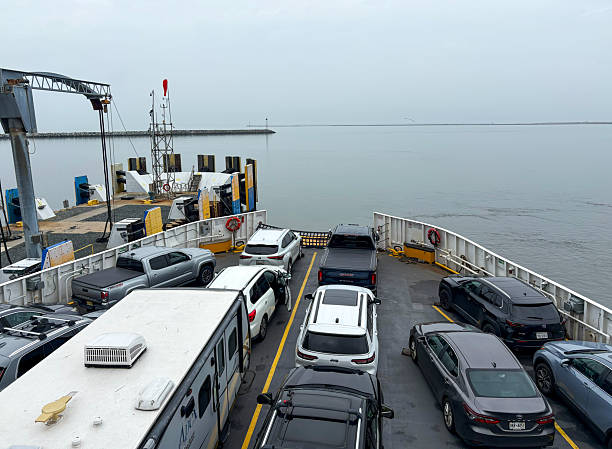
The Omi Eko zero-emission ferry is part of Lagos State’s plan to introduce electric-powered passenger ferries and create a cleaner, more sustainable water transportation system. The project is designed to reduce pollution while providing reliable public transport across Lagos waterways.
What Is the Omi Eko Zero-Emission Ferry?
Omi Eko is a major sustainable water transportation project that will introduce fully electric passenger vessels to Lagos waterways.
The project includes 75 state-of-the-art electric vessels, each capable of carrying up to 440 passengers. These ferries are expected to significantly reduce greenhouse gas emissions and water pollution compared with conventional fuel-powered boats.
Why Electric Ferries Matter
Electric ferries can reduce the direct emissions produced by conventional petrol or diesel-powered boats.
The Omi Eko project is therefore designed to:
- Reduce greenhouse gas emissions
- Reduce air pollution
- Reduce water pollution
- Support cleaner urban transportation
- Reduce reliance on fossil-fuel-powered vessels
- Improve the sustainability of Lagos waterways
The project is expected to reduce carbon emissions by approximately 41,000 tonnes annually when fully implemented.
Omi Eko Zero-Emission Ferry Routes
The project will establish 15 structured ferry routes covering approximately 140 kilometres of Lagos waterways.
These routes will connect 25 upgraded and expanded ferry terminals across the city, creating a more organised water transportation network for commuters and other passengers.
Electric Ferry Terminals and Charging Infrastructure
The zero-emission ferry network requires supporting infrastructure.
Omi Eko includes new and upgraded passenger stations, ferry piers, jetties and facilities designed to support electric vessel operations. Charging infrastructure will allow the electric ferry fleet to operate as part of the planned water transportation network.
Omi Eko for Daily Commuters
The electric ferry network is intended to provide an alternative to road transportation for Lagos residents.
Workers, students and other commuters can potentially benefit from cleaner water-based connections between communities, particularly where waterways provide a practical alternative to congested roads.
The project aims to increase the share of waterborne transportation in Lagos from less than 1% to as much as 8% by 2032.
Omi Eko and Reduced Road Congestion
Moving more passengers by water can help reduce pressure on Lagos roads.
Instead of relying entirely on road transportation, residents living near suitable waterways can use ferry services to reach other communities and commercial areas.
This can contribute to shorter journeys, lower congestion and a more diversified public transportation system.
Omi Eko Zero-Emission Ferry for Tourists
Tourists can also benefit from cleaner ferry transportation.
Electric passenger ferries can provide transportation between suitable waterfront destinations, hotels, attractions and island communities while offering visitors a more environmentally friendly way to travel around Lagos.
Is the Omi Eko Zero-Emission Ferry Fully Operational?
The Omi Eko project is still being implemented in phases. The full network of electric ferries, routes and terminals is therefore not yet equivalent to a completely operational city-wide ferry system.
The latest project information confirms that implementation is continuing, with financing supporting the development of the waterborne public transport network, electric vessels, ferry terminals and related infrastructure.
Passengers should distinguish between the planned Omi Eko electric ferry network and existing conventional ferry services currently operating in Lagos.
Benefits of Omi Eko Zero-Emission Ferries
When fully implemented, the project is expected to provide:
- Cleaner passenger transportation
- Lower greenhouse gas emissions
- Reduced water pollution
- Modern electric vessels
- Improved ferry terminals
- Better waterway connections
- Reduced pressure on roads
- More sustainable urban mobility
- Improved access for waterfront communities
How Travo.ng Can Help
Travo.ng can help coordinate ferry transportation and sustainable water mobility arrangements in Lagos where suitable routes and operators are available.
Passengers can provide their departure location, destination, travel date, passenger numbers and preferred departure time to help identify an appropriate ferry transportation option.
Plan Your Omi Eko Electric Ferry Journey
The Omi Eko zero-emission ferry project represents a major step towards cleaner water transportation in Lagos. With 75 planned electric vessels, 15 structured routes and 25 ferry terminals, the project is designed to make water transportation more sustainable and accessible.
As implementation continues, passengers should confirm the current operating status of their preferred route and ferry service before making travel arrangements.
Travo.ng can help coordinate Lagos electric ferry transportation based on your route, schedule, passenger numbers and travel requirements.
