


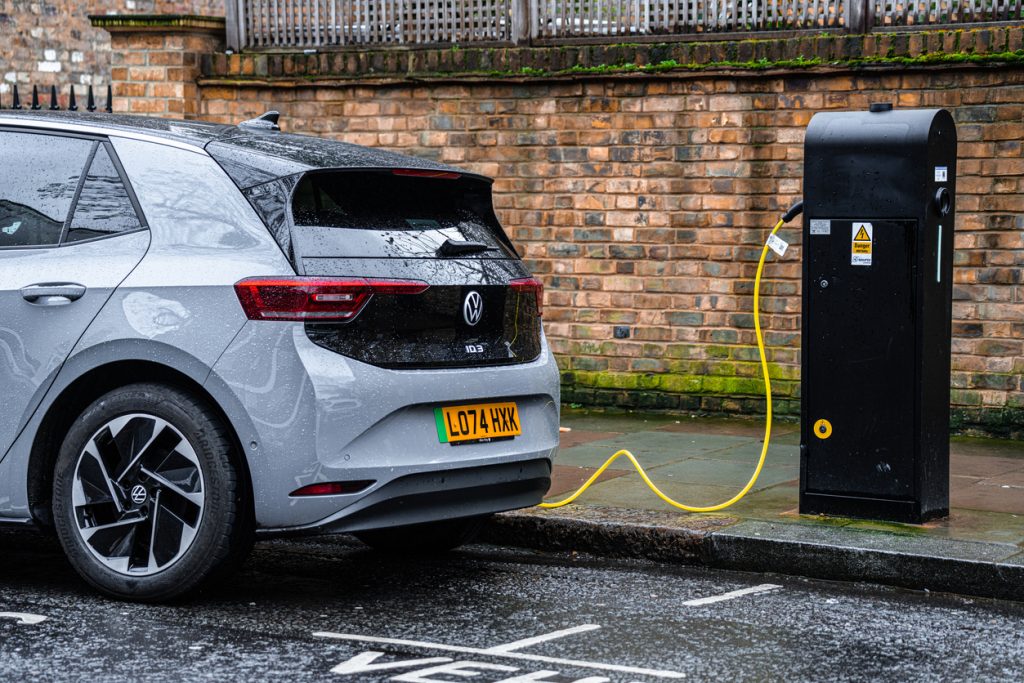
The Electric car vs petrol car Nigeria debate is becoming more practical as Nigerian drivers look for ways to reduce everyday transport costs. Petrol vehicles still dominate roads from Lagos to Abuja and Port Harcourt, but electric vehicles are gradually becoming a realistic option, especially for drivers with reliable home or workplace charging.
The better choice depends on more than the purchase price. Where you live, how far you drive, your electricity supply and whether you regularly make interstate trips can completely change the answer.
What Daily Running Costs Actually Look Like
Fuel is one of the biggest expenses for Nigerian motorists. A driver commuting from Ajah to Victoria Island five days a week can easily cover several hundred kilometres every month once traffic diversions, school runs and weekend trips are included.
A petrol car requires regular refuelling, and the monthly bill rises quickly for SUVs or vehicles spending long periods crawling through Lagos traffic.
Electric vehicles work differently. Charging at home, particularly where there is reliable grid electricity or solar power, can make daily driving considerably cheaper because there is no petrol consumption.
However, charging with electricity generated mainly from a petrol or diesel generator reduces that advantage. Someone considering an EV should therefore calculate the cost of producing the electricity, not simply assume charging is inexpensive.
Charging Is Still the Biggest Practical Difference
When comparing an electric car vs petrol car in Nigeria, convenience currently favours petrol vehicles.
Filling stations are available almost everywhere. If you are travelling from Lagos to Ibadan, Abuja to Kaduna or Port Harcourt to Owerri, finding petrol is normally much easier than finding a compatible public EV charger.
Charging infrastructure is expanding in major cities, including Lagos and Abuja, but coverage is still developing. For this reason, electric cars presently make the most sense for drivers who:
- Have dependable home or office charging
- Mostly drive within one city
- Can predict their daily mileage
- Have backup electricity or solar
- Rarely undertake unplanned long-distance trips
For regular interstate travellers, route and charging-point planning becomes much more important.
Maintenance Can Be Simpler With an Electric Car
Traditional petrol vehicles have engines with many components requiring regular attention. Owners budget for engine oil, oil filters, spark plugs, belts and other servicing items.
Electric vehicles remove several of these routine engine-related costs. There is no engine oil change, for example, and regenerative braking can reduce wear on conventional brake components.
That does not mean an EV has no maintenance expenses. Tyres, suspension, air-conditioning systems and electronic components still require attention.
Battery condition is particularly important when buying a used electric car. Replacing a major battery pack can be expensive, so buyers should check battery health, warranty coverage and whether qualified technicians can service that particular model in Nigeria.
Think About Lagos Traffic Differently
Heavy traffic actually highlights one advantage of electric vehicles.
A petrol vehicle sitting for long periods around Lekki, Third Mainland Bridge approaches or Ikeja continues using fuel while the engine runs. An EV generally consumes far less energy while stationary.
This can make electric cars attractive for predictable urban commuting.
The situation changes when your work involves frequent trips outside Lagos or journeys into areas where charging facilities and electricity supply are uncertain. In those cases, petrol vehicles currently offer greater flexibility.
Which One Should You Choose?
Choose an electric car if most of your journeys are predictable, you have dependable charging and reducing long-term running costs is your priority.
A petrol car remains practical if you frequently travel interstate, need quick refuelling anywhere in Nigeria or cannot guarantee access to electricity where the vehicle is parked.
Businesses should make the same assessment before changing fleets. A delivery vehicle running a fixed Lagos route every day has very different requirements from a vehicle regularly travelling between Lagos, Benin and Abuja.
Travo.ng can also assist customers who need vehicle hire, transport coordination, airport pickups and business mobility support without immediately committing to purchasing a vehicle.
Ultimately, the Electric car vs petrol car Nigeria decision should be based on your actual movement pattern. Calculate where you drive, how many kilometres you cover, where you will charge and what happens when plans change. The vehicle that fits those realities will usually be the better investment.
