


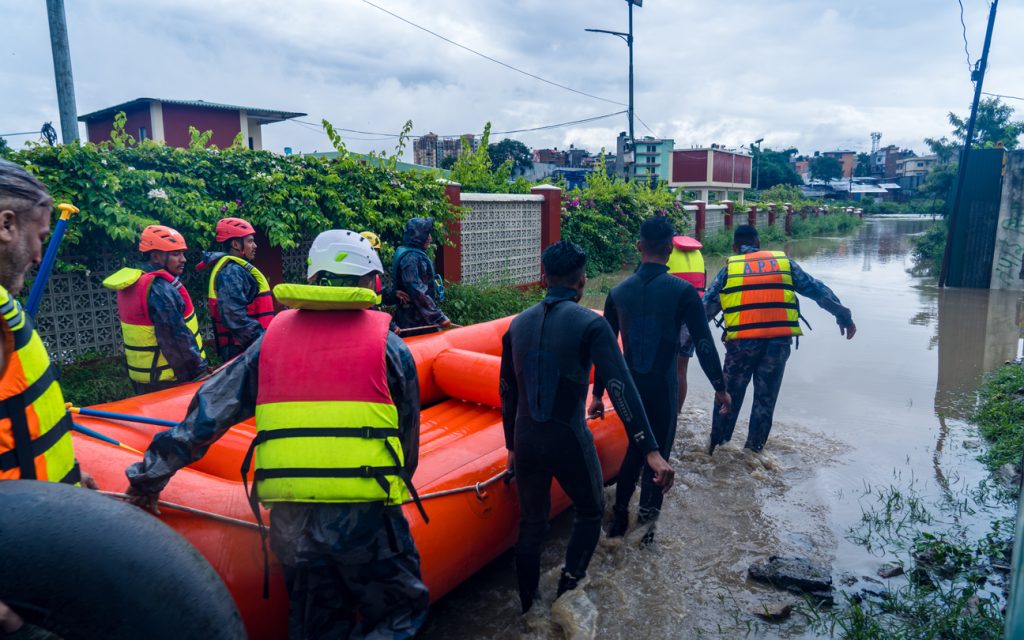
When heavy rainfall covers roads, ordinary cars, vans and trucks may no longer be able to reach homes, construction sites or affected communities. In some areas, the road may still exist underneath the water, but the depth, current and hidden damage make normal driving unsafe.
This is where amphibious vehicle services Nigeria can support difficult movement. Amphibious vehicles are designed to travel across both land and water, making them useful for flood response, remote site access, emergency supply movement and operations in riverine areas.
They are not required for every flooded road. However, when a journey involves changing repeatedly between wet ground, shallow water and accessible road sections, an amphibious vehicle may be more practical than transferring passengers or cargo between several vehicles and boats.
When an Amphibious Vehicle Is the Better Option
A regular boat works well when the entire route is on water. A truck works when the road remains firm and shallow enough for safe driving. The challenge comes when the route includes both.
An amphibious vehicle may be suitable when:
- Floodwater separates two passable road sections
- A work site is surrounded by waterlogged terrain
- Emergency supplies must reach isolated residents
- Passengers cannot safely transfer between boats and vehicles
- Equipment must remain loaded throughout the journey
- Riverine communities have limited jetty infrastructure
For example, moving supplies to a flooded industrial site outside Port Harcourt may require driving along a dry highway, crossing a submerged access section and continuing across muddy ground. Using separate trucks and boats could involve repeated unloading, increasing delays and the risk of damaging the cargo.
What Can Be Moved on Flooded Routes
The type of amphibious vehicle required will depend on the passengers, cargo weight and water conditions.
These vehicles may be used to move:
- Emergency workers and response teams
- Food, bottled water and medical supplies
- Pumps, generators and recovery equipment
- Engineers and site inspectors
- Communication devices
- Light construction materials
- Residents leaving flooded communities
Cargo weight must be declared accurately. A few cartons of medicine require different capacity from a diesel generator or several water pumps.
The operator should also know whether the items are fragile, hazardous or sensitive to moisture. Electronics, documents and medical goods should still be waterproofed even when transported inside a covered vehicle.
Route Assessment Must Come Before Dispatch
Flood conditions can change quickly during continuous rainfall. A route used successfully the previous day may become dangerous after the water rises or the road surface collapses.
Before dispatch, the transport team should confirm:
- The current water depth
- The strength of the current
- The condition of bridges and culverts
- The presence of debris or submerged obstacles
- Safe entry and exit points
- The distance across waterlogged sections
- The availability of an alternative route
Recent photos, videos and location details from someone at the destination can support planning. Where possible, local responders or residents familiar with the area should help confirm conditions.
An amphibious vehicle is capable of handling mixed terrain, but it should not be treated as permission to enter uncontrolled floodwater without assessment.
Safety Checks Before Passengers Board
Passengers should receive basic instructions before the journey starts. Everyone must remain seated where required, avoid sudden movement and follow the operator’s guidance when entering or leaving the vehicle.
The vehicle should carry suitable safety and recovery equipment, including:
- Life jackets for passengers
- Communication devices
- Tow ropes or recovery tools
- Emergency lighting
- First-aid supplies
- Fire extinguishers
- Backup navigation support
The operator must understand both road driving and water navigation. Floodwater can hide open drains, damaged barriers and abandoned vehicles, while floating debris may affect movement.
Night operations should be limited where possible because visibility is reduced and changing water conditions are harder to assess.
What Determines the Cost of the Service
The price of amphibious transport depends on more than distance. These are specialised vehicles, and mobilisation may form a significant part of the total cost.
Pricing can be affected by:
- Vehicle capacity
- Mobilisation distance
- Duration of use
- Number of trips required
- Passenger or cargo weight
- Flood depth and route difficulty
- Waiting time at the location
- Additional safety personnel
A business hiring the vehicle for several days of flood response will receive a different quotation from a household requesting one emergency movement.
Provide complete journey details when requesting a quote. An accurate assessment prevents the wrong vehicle from being sent and reduces unexpected charges after mobilisation.
Coordinate Amphibious Transport With Travo.ng
Reliable amphibious vehicle services Nigeria require proper route assessment, trained operators and clear information about the people or goods being moved.
Travo.ng helps individuals, companies, humanitarian teams and project managers coordinate specialised transport, emergency deliveries, boat movement, vehicle hire and equipment logistics across Nigeria.
Where a flooded journey involves dry roads, waterlogged sections and difficult terrain, Travo.ng can help organise the different stages around one practical movement plan. With suitable equipment and careful preparation, essential passengers and supplies can reach locations that ordinary vehicles cannot safely access.
