


During emergencies, community outreach programmes and welfare campaigns, getting supplies to the right people can be more difficult than buying the items. Food packs may be ready, volunteers may be waiting, and beneficiaries may already have been identified, but poor transport planning can delay the entire exercise.
Reliable relief package delivery in Lagos helps charities, religious organisations, companies, community groups and individuals move essential items to families and communities without unnecessary confusion. The service may involve collecting supplies from one location, sorting them into batches and delivering them to several addresses or one central distribution point.
Because Lagos traffic, estate access rules and difficult waterfront locations can affect timing, relief deliveries need more preparation than ordinary parcel dispatch.
What Can Be Included in a Relief Package
The contents of a relief package usually depend on the people receiving it and the situation being addressed. During flooding, fire incidents or sudden displacement, families may need practical items they can use immediately.
Packages may contain rice, beans, garri, cooking oil, bottled water, toiletries, clothing, sanitary products, baby supplies and basic household items. Medical relief packages may also include approved first-aid materials and non-prescription essentials.
Every package should be properly sealed and labelled before pickup. Food products should be separated from detergents, chemicals or liquids that may leak. Clothing and documents should also be protected from rain, especially during deliveries made in the wet season.
Lagos Traffic Can Disrupt Distribution Plans
A delivery that looks simple on a map may take several hours once Lagos traffic is involved. Moving relief supplies from Ikeja to Ajah, for example, may require a very early departure to avoid delays around Maryland, Third Mainland Bridge or the Lekki-Epe corridor.
Deliveries to several parts of the city should be grouped by location. A vehicle should not move from Surulere to Ikorodu, return to Victoria Island and then head towards Badagry without a clear reason. Poor routing wastes fuel, increases delivery costs and reduces the number of packages that can be distributed in one day.
Travo.ng can help plan the pickup sequence, vehicle type and delivery route based on the number of packages and the areas being covered.
Choosing the Right Vehicle for Relief Supplies
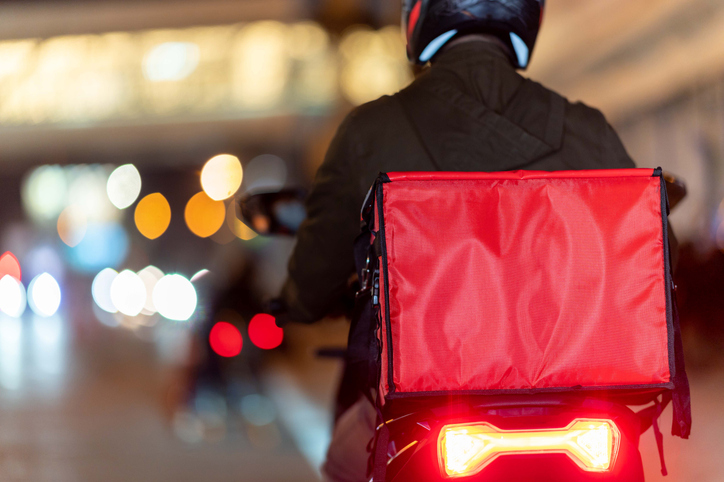
Motorcycles are suitable for small emergency packages, documents and medicines, but they are not practical for dozens of food packs or bulky cartons.
A car may handle a limited number of packages for home deliveries, while a van is usually better for organised community distribution. Larger trucks may be needed when moving bags of rice, bottled water, mattresses or building materials to a relief centre.
Before booking, provide the estimated number of packages, total weight and package dimensions. This prevents a vehicle from arriving and discovering that the load cannot fit.
How to Organise Multiple Deliveries
Sending relief items to several households requires accurate beneficiary information. Every package should be connected to a name, phone number and delivery area.
A simple delivery list should include:
- The recipient’s full name
- A reachable phone number
- The complete address
- A nearby landmark
- The package assigned to the recipient
- Any estate or security instructions
- The preferred delivery period
Recipients should be informed before the driver arrives. Many failed deliveries happen because the phone number is unavailable or the person has left the address.
For large distributions, it may be more efficient to deliver everything to a school, church, mosque, community centre or local government facility where verified beneficiaries can collect their packages.
Delivering to Flooded and Hard-to-Reach Areas
Some parts of Lagos become difficult to access after heavy rain. Roads may be flooded, vehicles may be unable to enter narrow streets, and waterfront communities may require boat transport.
Deliveries to areas such as Makoko or other riverine settlements may involve transferring packages from a road vehicle to a boat. The goods should be packed in waterproof materials and secured properly before the water section of the journey begins.
Where road conditions are uncertain, confirm access with a local contact before dispatching the vehicle. This helps avoid sending a van into deep floodwater or an area where it cannot turn safely.
Mistakes That Delay Relief Package Delivery
One common mistake is booking transport before the packages are ready. Drivers may spend hours waiting while food items are counted, cartons are sealed or beneficiary names are written.
Another mistake is underestimating loading time. Hundreds of packages cannot be loaded and checked in a few minutes, especially when different items are assigned to different locations.
Organisers should also avoid overloading vehicles. Heavy relief supplies can affect braking, vehicle balance and fuel consumption. Using the correct vehicle is safer than trying to reduce costs by forcing everything into one small van.
Book Relief Package Delivery With Travo.ng
Professional relief package delivery in Lagos helps ensure that food, clothing and essential supplies reach the people they are meant for in good condition.
Travo.ng supports charities, businesses, religious organisations and community groups with courier services, van hire, cargo movement, route planning and multi-address delivery coordination across Lagos.
Whether the project involves a few emergency packages or a large community distribution, proper transport planning can reduce delays, control costs and help organisers reach more beneficiaries efficiently.
