


Water shortages affect homes, farms, schools, hospitals, construction sites and businesses across the country. In some areas, the problem is seasonal. In others, unreliable public supply, damaged infrastructure or falling groundwater levels make access difficult throughout the year.
Finding effective water scarcity solutions in Nigeria requires more than ordering a tanker whenever a borehole stops working. The right approach depends on the location, daily water demand, available storage, road access and how quickly the supply must be restored.
For many households and organisations, the most practical solution combines emergency water delivery with longer-term planning.
Start by Calculating How Much Water Is Actually Needed
A common mistake is requesting water without estimating daily consumption. This can lead to frequent deliveries, unnecessary transport costs or tanks running dry before the next supply arrives.
A small residential property may need water mainly for washing, cleaning and sanitation. A hotel, school or factory will usually require a much larger and more consistent supply.
Before arranging delivery, confirm:
- The capacity of available tanks
- Average daily consumption
- Number of residents, staff or users
- Whether water is needed for drinking or general use
- How often the tanks can be refilled
- Whether a tanker can access the property
This information helps determine the appropriate tanker size and delivery schedule.
Water Delivery Works Best With Proper Access Planning
Water tankers are useful during emergencies, borehole repairs and periods of low supply. However, access problems can delay deliveries, especially in crowded urban areas or unfinished developments.
In places such as Lekki, Ajah, Port Harcourt and parts of Abuja, narrow streets, poor drainage and ongoing road construction may prevent larger tankers from reaching the property.
The delivery team should know whether the site has:
- A wide entrance
- Overhead cables or low structures
- Soft or waterlogged ground
- Space for the tanker to turn
- A hose long enough to reach the storage tank
- Restrictions on delivery times
Sharing photos or a short video of the access road can help prevent failed delivery attempts.
Borehole Problems Should Be Investigated Before Redrilling
When a borehole produces less water, many property owners immediately assume that a new one is needed. The problem may instead be caused by a faulty pump, blocked pipe, electrical issue or inadequate storage.
A proper inspection can help determine whether the borehole requires rehabilitation, deeper drilling or complete replacement.
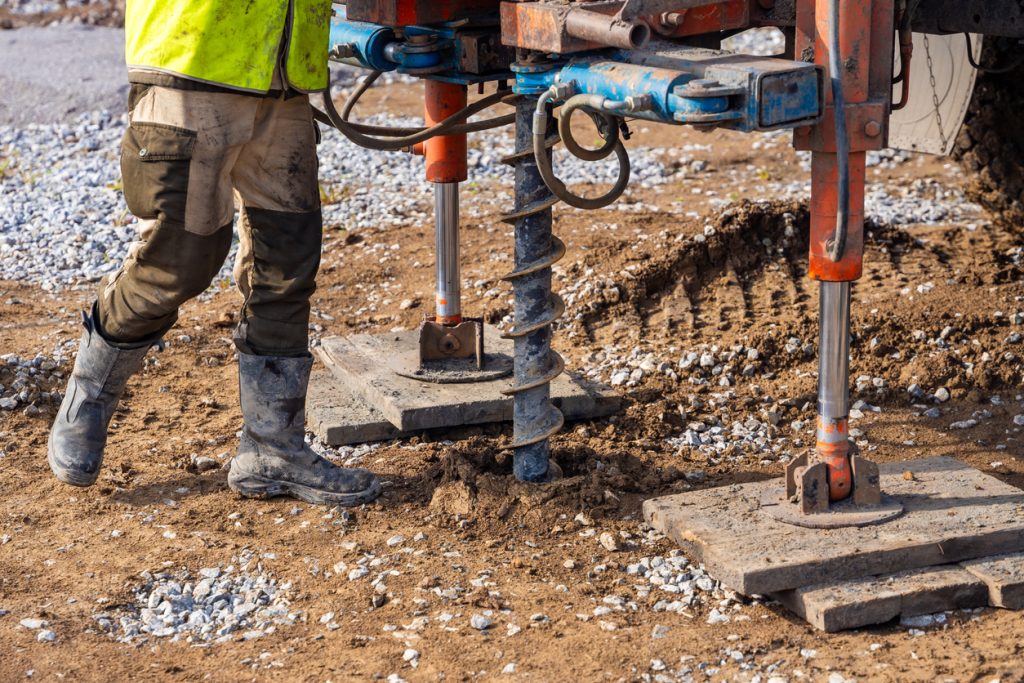
Where a new source is necessary, water exploration should be carried out before drilling begins. This reduces the risk of choosing a convenient but unsuitable location.
Transporting drilling equipment, survey teams, pipes and generators to the site must also be planned carefully. Travo.ng can support vehicle hire, equipment movement and field logistics for water-related projects across Nigeria.
Storage Can Reduce the Impact of Irregular Supply
A property with reliable storage can manage short interruptions more effectively than one that depends on direct supply.
Tank size should reflect actual demand rather than available space alone. A household that consumes 2,000 litres daily will not benefit much from a small tank if supply is only available twice a week.
Businesses may need a combination of:
- Ground-level storage tanks
- Overhead tanks
- Backup tanks
- Pumps and control systems
- Scheduled tanker deliveries
- Water level monitoring
Tanks should be covered, cleaned regularly and positioned where delivery vehicles can refill them safely.
Farms Need Solutions That Protect Water and Transport Costs
Agricultural water shortages can affect livestock, irrigation and crop survival. Farms located far from major roads face an additional challenge because every water delivery involves longer travel and higher fuel costs.
Where possible, farms may combine boreholes, rainwater harvesting, reservoirs and controlled irrigation. Drip irrigation can reduce waste compared with uncontrolled flooding.
During dry periods, planned deliveries are usually more efficient than emergency requests made after storage has already run out.
Travo.ng can help coordinate tanker movement, equipment delivery, driver support and transport to agricultural locations.
Plan Emergency Supply Before the Shortage Becomes Critical
Waiting until every tank is empty often leads to rushed decisions and higher costs. Households and businesses should identify reliable suppliers, confirm tanker access and keep records of normal consumption.
Schools, clinics, estates and hospitality businesses should also have clear procedures for prioritising essential use during shortages.
Reliable water scarcity solutions in Nigeria usually involve several services working together. Water delivery may solve the immediate problem, while borehole assessment, better storage and planned transport reduce the risk of another disruption.
Travo.ng supports customers with water delivery coordination, vehicle hire, equipment transport and logistics planning. With proper preparation, homes and businesses can maintain a more dependable supply and respond faster when shortages occur.
